
>
Save Soil Regenerative Revolution>
Blogs>
Human Impact Stories>
From Chemical Fertilizers to Natural Farming: Ramesh’s Success Story in the Nilgiris
Share
From Chemical Fertilizers to Natural Farming: Ramesh’s Success Story in the Nilgiris
Human Impact Stories

07 Jul 2026

06:33 am
Restoring soil health, rediscovering traditional wisdom, and delivering quality produce through the principles of natural agriculture.
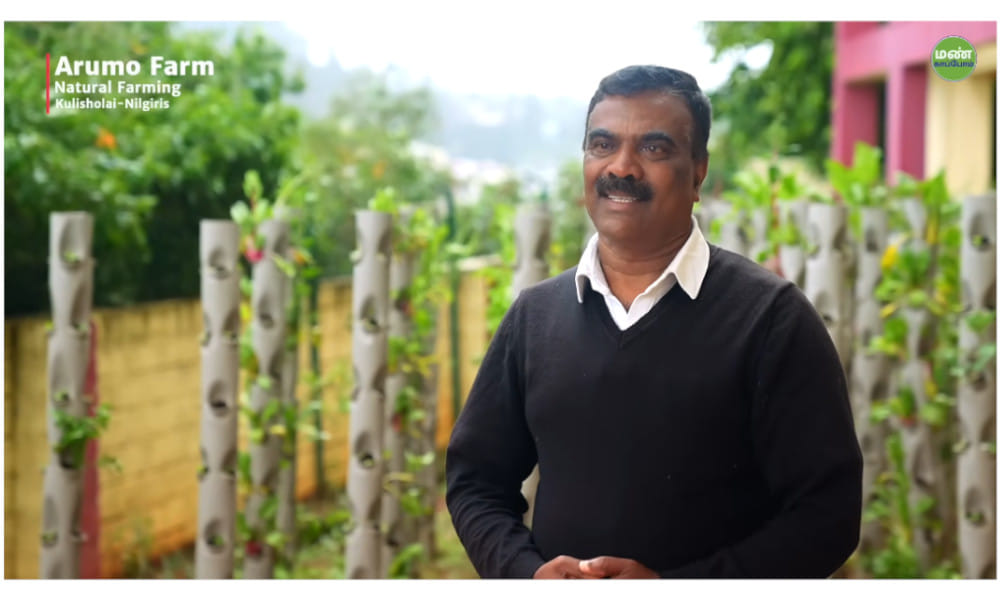
Ramesh, a native of the Nilgiris district, shares his transformative journey from a career in the multinational fertilizer industry to becoming a dedicated practitioner of natural farming. Through his experiences, he highlights the resurgence of health consciousness, the dangers of chemical agriculture, and the success he has found in restoring the soil and traditional farming methods.
A Return to Tradition and Health Consciousness
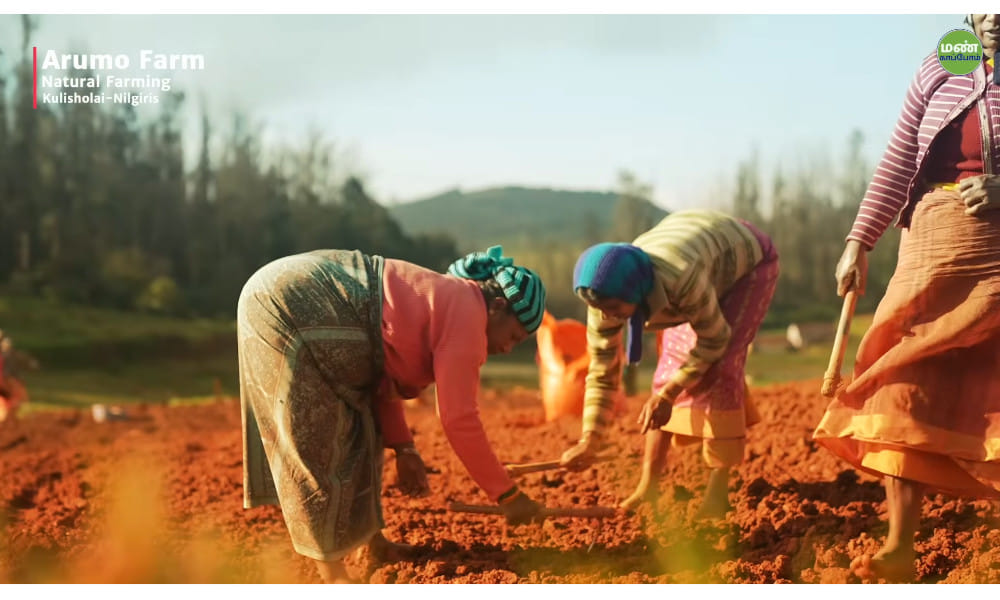
In the current generation, health consciousness has made a significant comeback. We have witnessed this shift firsthand in the evolution of our logistics. Initially, we used to send our produce to Coimbatore via bus. Later, we upgraded to delivering by car. Now, we are planning to purchase a dedicated vehicle, and our thinking has evolved to the point where we are considering a refrigerated container truck.
When relatives visit our home, we give them vegetables grown in our own garden to take back with them. This is our traditional practice. We provide produce that remains fresh for fifteen days without refrigeration, simply kept in the open air. This demonstrates the excellent shelf life of our crops. There is a distinct aroma to a carrot that is only evident when it is grown through natural farming. This authentic scent is absent in chemically grown produce. The same applies to mint and coriander. Their quality is unique when cultivated naturally.
We are also moving towards a concept where we ensure no cultivated produce is wasted. We aim to convert excess produce into value-added products to reach more people. I struggled greatly to establish this level of quality, but we have successfully achieved it. Many people ask me how our produce tastes so distinct and if we do anything special. The truth is, I simply do not waste weeds. I pile them in heaps within the garden, allow them to decompose, and once they have fully broken down, I use that compost as fertilizer.
Background and Heritage in the Nilgiris
I am Ramesh from Kotagiri in the Nilgiris district, born in a village called Benthatti. Eventually, we settled in Ooty. My ancestors were from a farming family belonging to the Badaga community. We lived as a large, extended family alongside the Kota and Toda communities, exchanging honey, millet, and vegetables. We were self-sufficient, producing our own wheat, ragi, and vegetables.
The Nilgiris possesses soil suitable for diverse cultivation. We are a people who worship the soil as a deity. Before entering the garden, we touch the soil, apply it to our forehead, and pray. However, in a place where the earth was once so deeply respected, the soil has been ruined little by little. Today, the soil in the Nilgiris is in a dilapidated state. We switched to natural farming to change this, to do good for the people, and to combat the new diseases we are now hearing about in the district.
The Health Cost of Chemical Farming
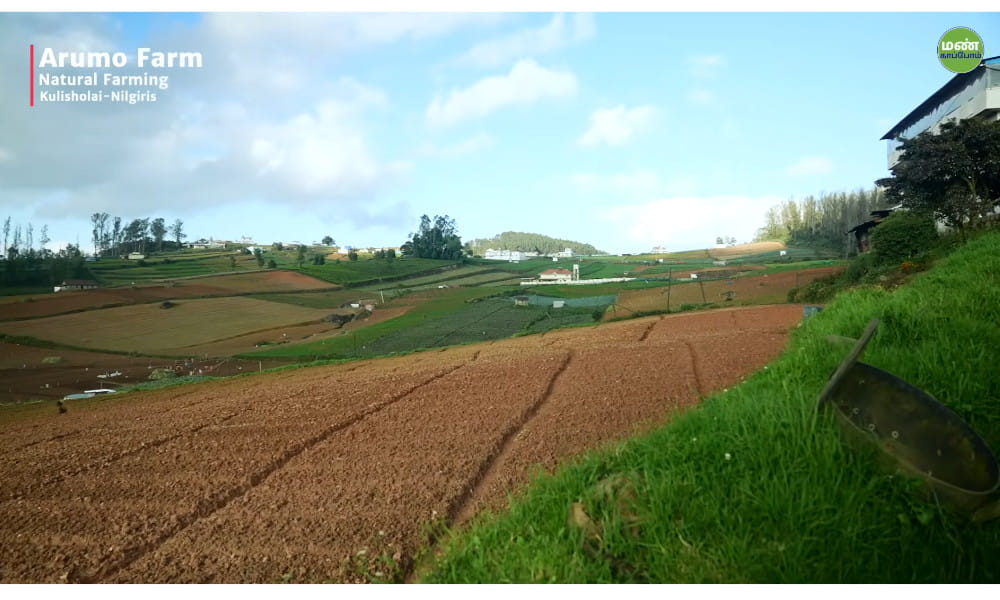
After finishing my college degree, my first employment was with a multinational fertilizer company. I started as a depot clerk and slowly earned promotions by selling biocides, pesticides, weedicides, and insecticides. I followed the instructions of my seniors and became a top performer in India, eventually becoming the Senior Area Manager for the Nilgiris with fifteen people working under me. I managed field demonstrations and trials.
A personal incident changed my perspective. The company introduced a product called Phorate. As I sat in my cabin and began using Phorate, my eyes were slowly affected. My long-distance vision diminished, and black dots began appearing in my vision. That is when I realized the cruelty of these chemicals. I had traveled extensively from Gudalur to Kunchappanai, enjoying the challenge of the job, but I only understood the true nature of pesticides and fertilizers after I was personally affected.
Later, I developed a natural manure brand for the company and sold three thousand tons in the Nilgiris district. However, when I expressed a desire to focus on natural manure, the company insisted I follow their directives. This friction led me to leave the company and ask myself why I should not pursue natural farming.
Mentorship and Research
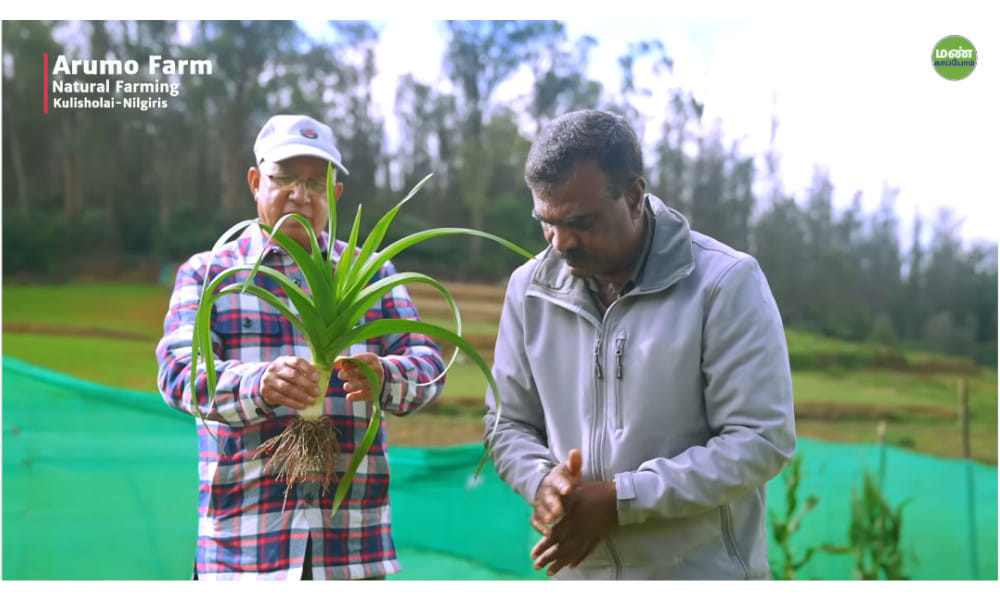
At that stage, I met Mr. Gopalakrishnan from Thavana village. He had returned from the US and settled here. He gave me a strong push and trusted me completely. Under his mentorship, we began Research and Development (R&D) on a one-acre plot in Kuzhicholai and in his kitchen garden. We planted twenty-one varieties of vegetables using natural methods. Mr. Gopalakrishnan always emphasized that we must farm naturally without spoiling nature. While people around us mocked our efforts, birds like mynas and pigeons, which were absent in other gardens, flocked to ours.
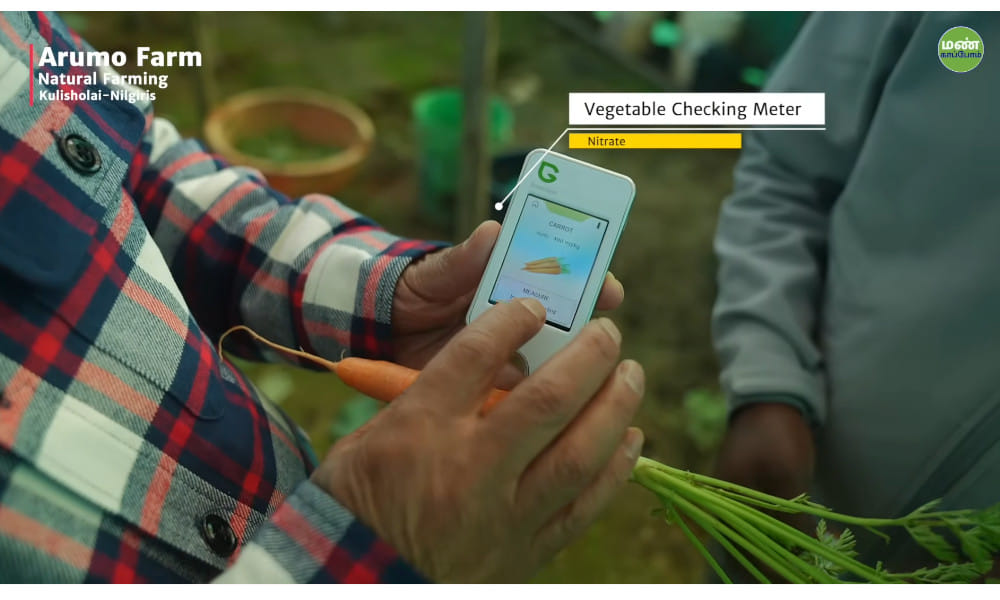
Mr. Gopalakrishnan introduced a device to measure nitrate content and taught me how to determine if produce was safe for consumption. He pointed out the deep connection between the microbes in our bodies and those in the soil-a perspective frequently championed by Sadhguru and supported by modern science. We realized that plants have sensitivity and growth patterns that respond to their environment. We decided to reverse the chemical approach and focus on the four essential elements: Carbon, Nitrogen, Water, and Oxygen.
Innovative Natural Inputs and Techniques

Since adopting natural farming, our cost of production has decreased significantly. A volunteer from the Isha’s Save Soil Movement helped us understand microbes. Since quality cow dung is scarce and expensive here, we use a method from an Isha’s Save Soil Movement book to develop microbes using rice and jaggery. We have tested this in extreme climates, including winter frost, and the microbes survive and help the plants. We are also producing "Magic Soil," which provides long-lasting benefits.
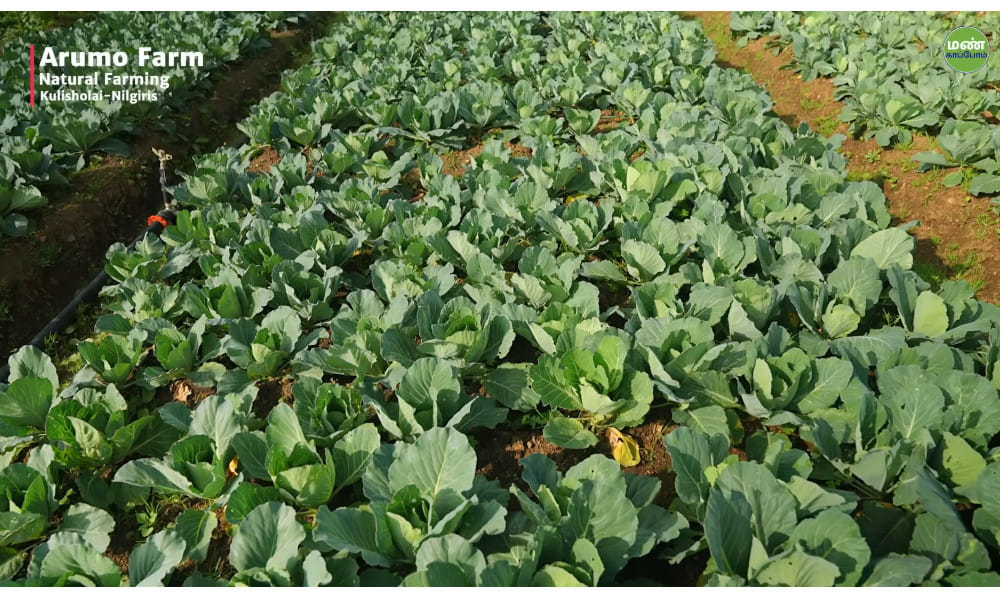
Our guiding concepts are Integrity, Authenticity, Responsibility, and Trust. I first educated my workers on protecting the earth. We cultivate carrots, beetroot, cabbage, and greens. We have harvested cabbages weighing up to 7.5 kilograms that are completely free of pests. We use a simple pest repellent made from grinding turmeric powder, asafoetida, ginger, and garlic. We soak this mixture in water, filter it, and spray a solution of just 5ml per liter of water. This effectively keeps insects away without harming the plants. If we used 15ml, the plants would scorch, but at 5ml, they would remain lush. We also plant maize as a border crop, which draws pests to its leaves and keeps our main field undisturbed.
To protect my field from the chemicals used by neighbors, I had to invest a significant amount in a shade net fence. While it was an expensive measure, it was necessary to create a barrier against external contamination.
Adapting to Seasonal Challenges
We experience three seasons: the rainy season from June to August, the winter and frost season from November to January, and the summer season from January to May. During the rainy season, pest attacks are common. However, our ancestors did not face these issues because they used intercropping and simple remedies like wood ash to grow garlic of unimaginable quality. By developing soil microbes, we do not need to fear pests. When the soil is nutrient-rich, the produce is strong and yields good results.
Marketing Through Quality and Trust
When we started, people were skeptical. We initially gave our produce to family and friends, urging them to taste it. Their feedback was overwhelmingly positive, and they spread the word. We collected phone numbers and started home deliveries. Our income was initially the feedback itself, which confirmed the quality of our product.
I once supplied Chard, a type of green, to the market. People mistook it for beetroot leaves and refused it. I gave it away for free, telling them to cook and eat it. Later, a customer asked for Chard when I did not have it with me. Upon learning my garden was only three kilometers away, they drove their car there just to buy it. That is when I realized the power of this marketing. Now, I do not need to solicit sales, customers to send me lists and pre-order products. We are one of the suppliers for Isha. We harvest fresh carrots and deliver them, and they are happy with our product. Even with a medical hospital located next to our farm, I make it a point to tell everyone I meet about my natural farming. Positive feedback is the only response I receive.
Future Aspirations
We are now looking to develop Agri-tourism in the Nilgiris. We want people to come, harvest their own produce, cook it on-site, and enjoy the experience. We are confident we will succeed in this venture. Health consciousness is rising, and while logistics have evolved from buses to plans for refrigerated trucks, the core success lies in the quality of the product. This is a successful story of how natural farming can thrive and even outperform chemical alternatives.
Keep In Touch
Get the latest updates on blog and happenings at Save Soil Regenerative Revolution and on the rest of Isha's social work — delivered to your inbox.