
>
Save Soil Regenerative Revolution>
Blogs>
Human Impact Stories>
From Dream to Reality: Dhanvish’s Thriving Natural Farm in the Nilgiris
Share
From Dream to Reality: Dhanvish’s Thriving Natural Farm in the Nilgiris
Human Impact Stories

23 Jul 2026

04:13 am
Care is not just for the face, the soil needs it too. From chemical‑free soil to symbiotic ecosystems that make natural farming profitable.
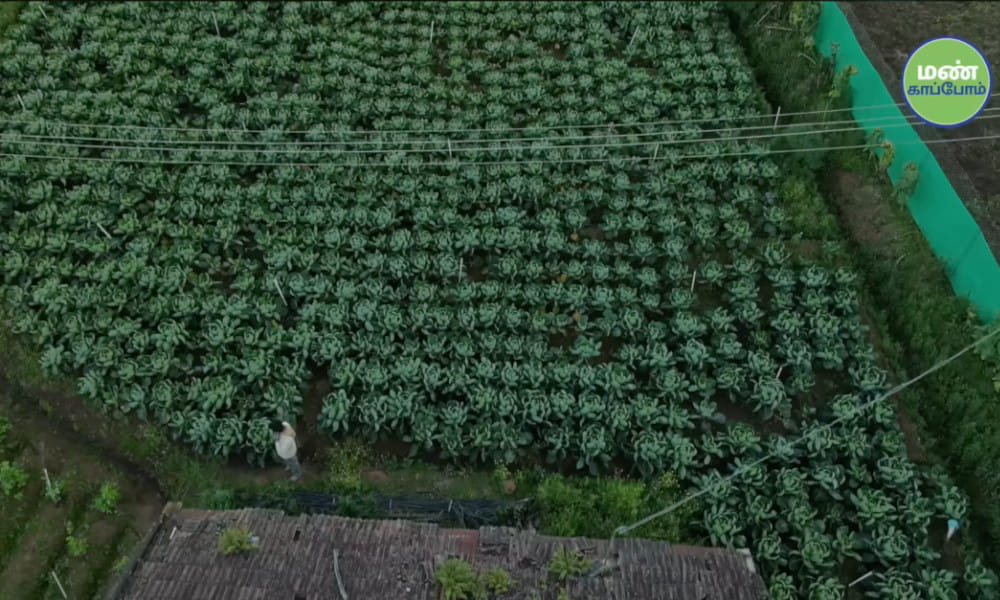
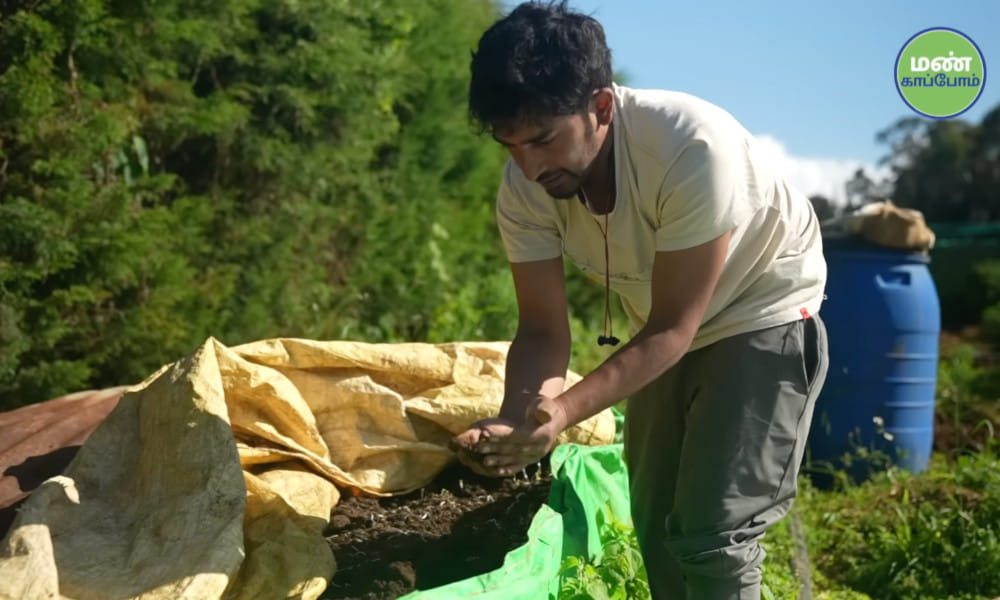
At Happy Family Farm, 80 cents of land, about one acre, has been transformed into a chemical free oasis by Dhanvish, a fifth generation farmer from Ooty in the Nilgiris who has dedicated himself to natural farming. His work here turns the concerns he once shared about these ancient mountains into a living example of how soil care, biodiversity and careful design can make a small farm both sustainable and thriving.
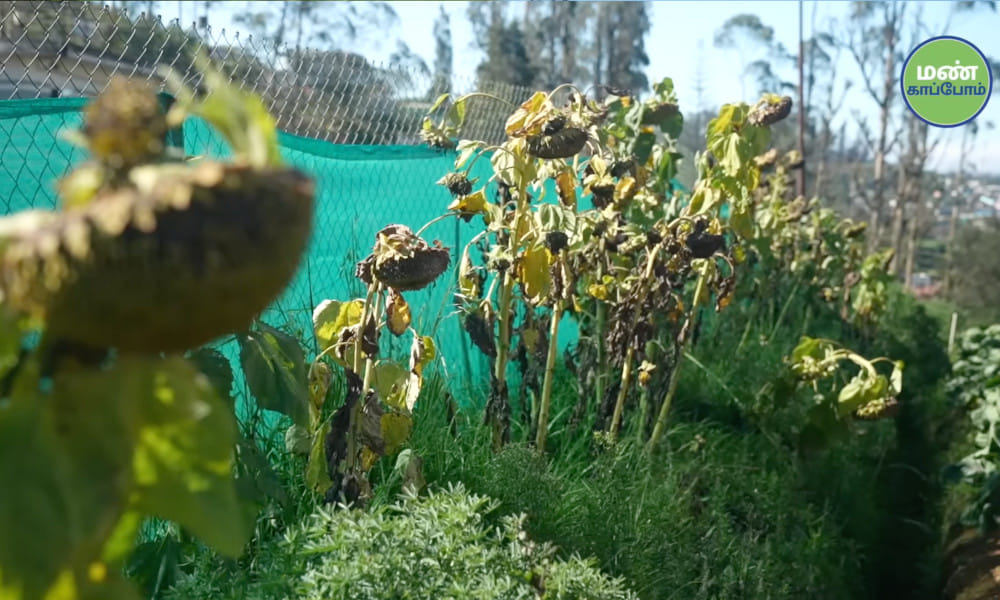
To shield his farm from neighbouring farms that still rely on synthetic inputs, the first step was to put up a green net along the vulnerable borders.”Inside this protective boundary, a living fence of sunflower, mustard, ragi, little millet, foxtail millet and lemongrass now stands. Each plant plays a role in supporting the others. Mustard, for example, works as a trap crop: pests such as mealybugs are drawn to its leaves, leaving main crops like cabbage and cauliflower largely untouched. Before any planting begins, the team prioritises soil testing. Knowing exactly what is in the soil allows them to tailor their approach. If tests show low phosphorus, they grow crops like mustard or buckwheat that help mobilise it. When nitrogen levels are already high, they avoid nitrogen‑fixing crops. They also make use of the stinging‑nut plant, which is naturally rich in calcium. When this plant is ploughed back into the soil or added to compost pits, it increases the calcium available to crops without the need for chemical inputs.
Protecting the soil also means controlling the water that reaches it. Around the perimeter of the farm, a two‑foot trench has been dug to stop runoff from neighbouring chemical farms during the rainy season. What some might see as wasted space is turned into opportunity: pumpkins and other creepers are grown on the bunds, covering the soil, suppressing weeds and adding to the farm’s income.
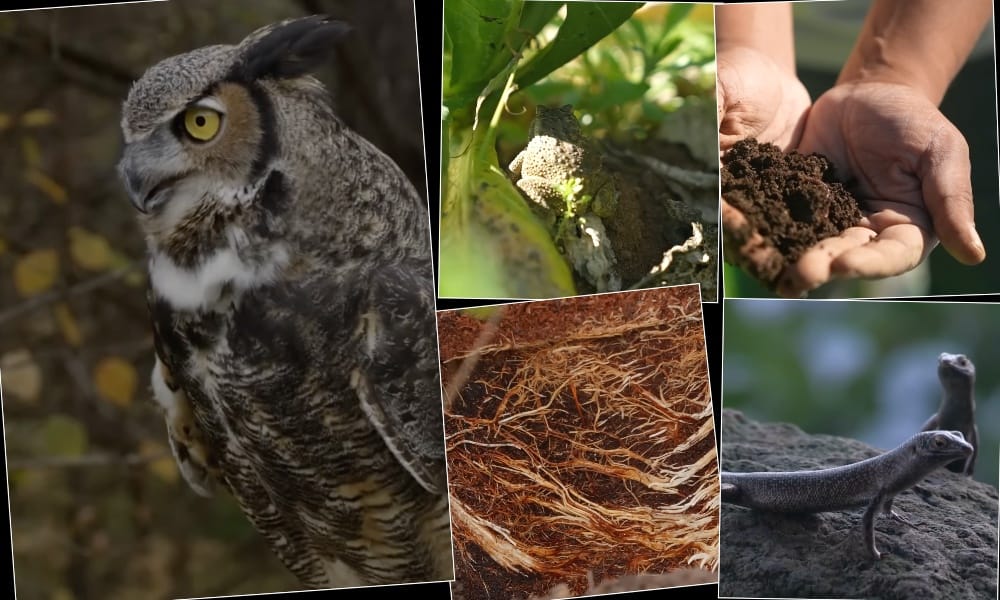
Soil health is built patiently. Inspired by Nammalvar Ayya, the farm team ploughed Navadhanya, nine traditional grains, back into the earth. Green manure was applied continuously for about 120 days, and they waited until earthworms returned as a sign of recovery. Within six to seven months, the soil’s texture changed noticeably, he added. Life came back into the fields; frogs, lizards and birds, which are rarely seen in chemical farms, began to thrive in this renewed ecosystem.
Beneath the surface, an invisible network supports this abundance. A fungal web, or mycelium, runs through the soil, connecting the roots of different plants. This network acts like a communication channel. When one plant has more nutrients than it needs and another has less, the mycelium helps redistribute those resources. This is one of the reasons natural forests flourish without human intervention. To protect this delicate system, the farm follows no‑till or minimum‑till practices, never disturbing the soil deeper than half a foot. Deep tilling with rotavators would break up the top layer where most nutrients and microbes live, weakening the system they have worked hard to build.
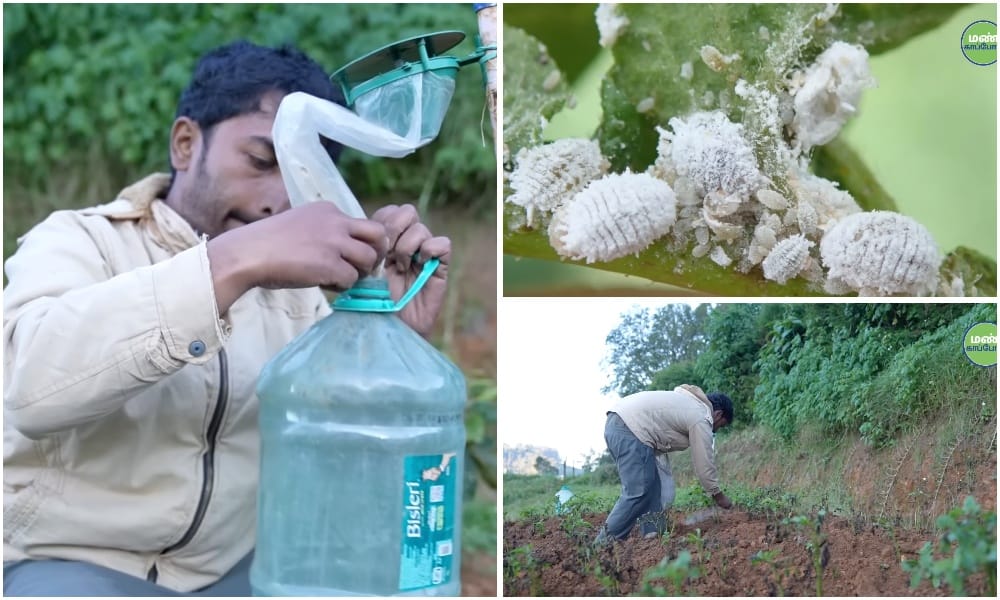
Pest management on the farm relies entirely on natural methods. Pheromone traps draw in harmful moths, which are then frozen and fed to the chickens, closing the loop within the farm itself. For rats, a spicy chilli paste is placed inside their burrows to irritate their noses and drive them out. Another mixture made from rice, white sugar and coconut works because rats cannot digest the sugar properly, discouraging them from returning. Owl houses provide yet another layer of protection. A single owl can eat up to 40,000 rats in a year, offering powerful, natural rodent control high above the fields.
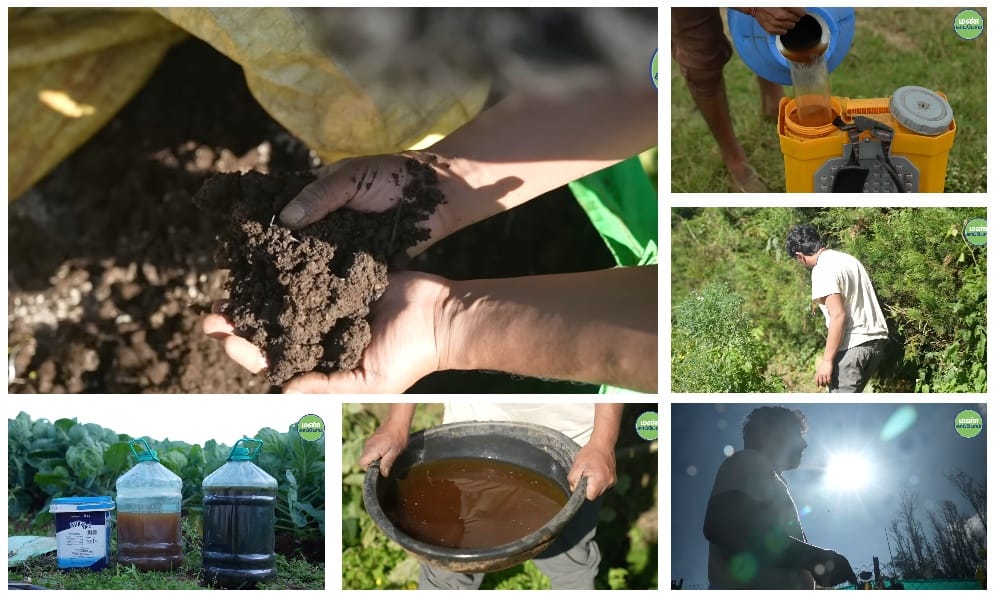
Compost is at the heart of the farm’s fertility. Heap composting is done in layers of cow dung, dry leaves and fresh leaves, building rich organic matter over time. Vermicompost adds another dimension. Plants are grown directly on top of the compost beds, and from these beds the team collects a liquid known as vermiwash, a golden solution formed as water passes through the slime on earthworms’ bodies. That slime acts as an incubator for beneficial microbes. When the vermiwash is diluted with water and sprayed on crops, it greatly boosts microbial life in the soil and supports stronger plant growth.
The farm’s results show that natural farming can be financially sustainable. Through weekly markets alone, the current one‑acre system generates between ₹40,000 and ₹50,000 a month. As the full 1.5 acres come into regular rotation, including harvests from fruit trees, the expected monthly revenue rises to between ₹1.5 and ₹2 lakhs. Prices remain stable throughout the year, for example, carrots are sold at ₹120 regardless of market fluctuations, so families can plan their budgets while still choosing healthy food.
Trust is a central part of the model. The farm collaborates with a group of eight to nine farmers to create a dependable supply chain of genuine, chemical‑free produce. Consumers are encouraged to see everything for themselves. Anyone is welcome to visit the farm on any day except Wednesdays, when produce is delivered to Coimbatore. For those who make the journey, the fields stand as living proof that with care for the soil, respect for symbiotic ecosystems and a willingness to work with nature, a small piece of land can become both a thriving ecosystem and a truly sustainable livelihood.
Keep In Touch
Get the latest updates on blog and happenings at Save Soil Regenerative Revolution and on the rest of Isha's social work — delivered to your inbox.