
>
Save Soil Regenerative Revolution>
Blogs>
Field Stories>
From Faculty to Farming: 43 Years of Triumph Unlocking 15 Lakhs from 2.5 Acres
Share
From Faculty to Farming: 43 Years of Triumph Unlocking 15 Lakhs from 2.5 Acres
Field Stories

18 Aug 2026

11:53 am
A Retired Principal Reveals: Magic of Natural Farming, Multi-Cropping, Zero Tillage, ₹40,000 Yearly Expenses

Meet Sri Shivanananjaya Balekayi, a pioneering natural farming expert from the enchanting village of Jayasamrajpura in Chikkanayakana Halli Taluk, Tumkur District, from the mesmerising state of Karnataka, shares his remarkable journey. A dedicated principal and headmaster since 1983, that same year he took a bold decision to step down from his post, embracing natural farming as his true calling. Come and dive into his life-changing story from academia to natural farming, in his own words.
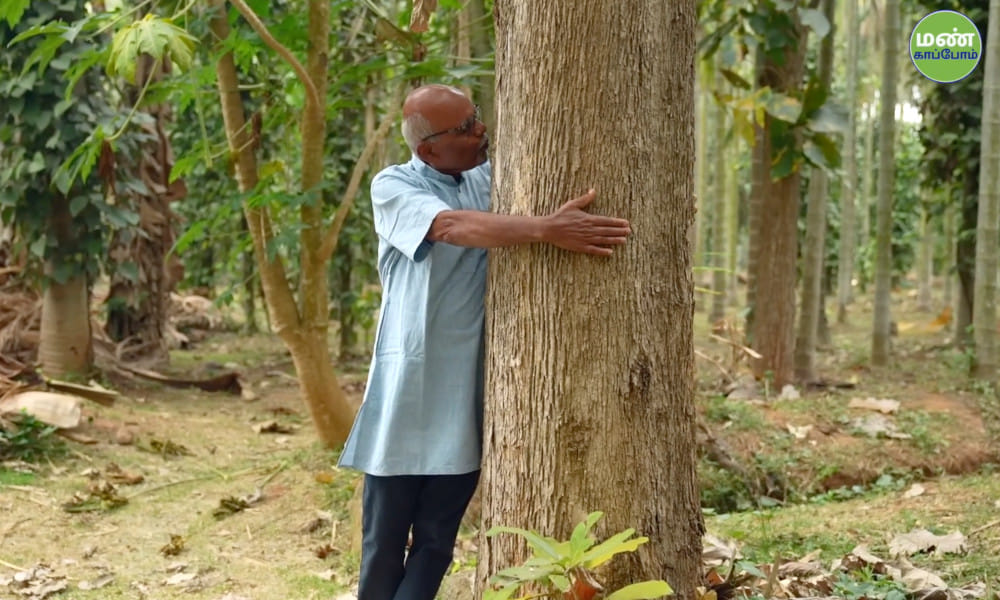
This piece of land was once used to grow ragi, but cultivation here was difficult and not very rewarding. I decided to transform it into a coconut farm. The plot, about two and a half acres in size, lies inside the village, right next to the road. I began by planting coconut trees at a spacing of 30 feet from tree to tree and row to row. From the very beginning my intention was to farm naturally. I did not plough the land. When planting saplings, I used only natural fertilisers. I was deeply influenced by Fukuoka’s approach to natural farming, especially his insights on how plants themselves can hold nitrogen in the soil without chemical fertilisers.
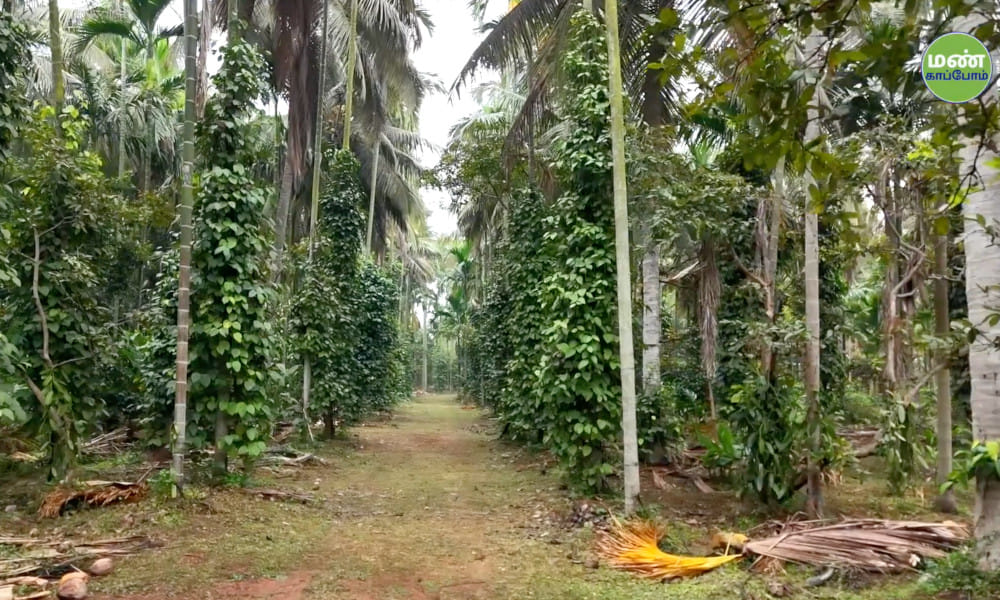
To restore nitrogen and build soil health, I planted Gliricidia and a local species known as Agasthiya, or Sesbania. Both of these trees fix nitrogen for the surrounding vegetation. I planted them at intervals of about one and a half metres across my 2.5 acres. After that, I stopped active cultivation for a while. For the first one and a half to two years, the farm received water only through tanker supply. During this period, fencing plants like Lantana grew unchecked and began to cover the land. For seven years I hardly touched the farm. I simply left it alone and did not even go inside. Over time, the fence vegetation grew so dense that the entire plot became almost impenetrable.
When I finally decided to return and manage the land again, I waited until about ten years had passed before installing a drip irrigation system. Once irrigation began, income also started to flow. Still, I saw that relying on a single crop would never be enough. The income from coconuts alone was too small. I realised that to truly make the farm viable, I needed to diversify and adopt a multi‑crop cultivation model, supported by better irrigation.
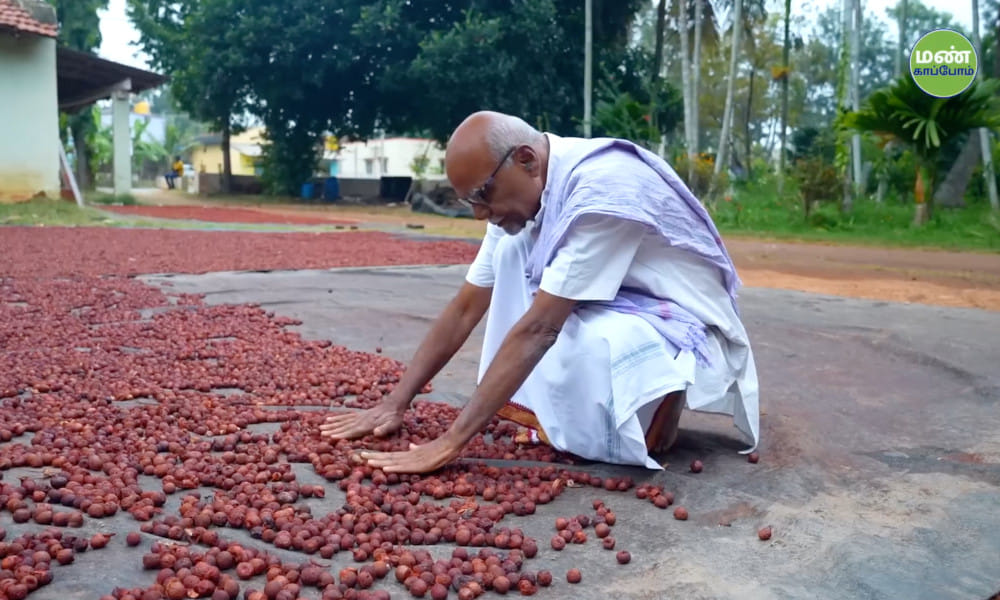
Once the coconut trees were around ten years old, I introduced areca nuts in the spaces between them, keeping about nine to ten feet of spacing. Between every two rows of coconut, I planted two rows of areca nuts. With proper irrigation in place, yields increased significantly and income grew. Throughout this process I continued to rely on natural fertilisers and removed weeds manually using sickles, never with chemicals.
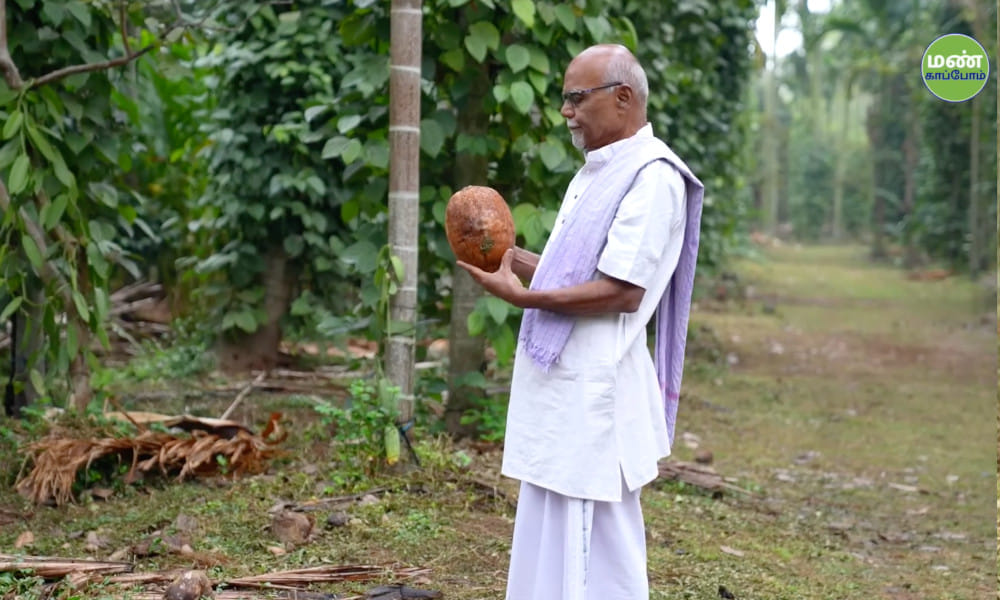
The reasoning behind this approach is rooted in simple science. When coconuts are planted at 30‑foot spacing, only about 25 percent of the land is truly used, because 85 percent of the root system stretches only about six feet. Even if we have 40 coconut trees per acre, around 75 percent of the land remains underutilised. The same is true for sunlight. Coconut fronds spread roughly 25 to 30 feet, which means only about 60 percent of the available sunlight is put to use. To make full use of both soil and light, multi‑crop cultivation becomes essential.
Understanding this, I expanded the diversity of my farm. Along with areca nuts, I first added bananas. Then I brought in fruit trees like guava. After that came sapota, with four trees to start, followed by lemon and other larger trees. Step by step, I realised I could capture even more of the available sunlight and space to further increase my income.
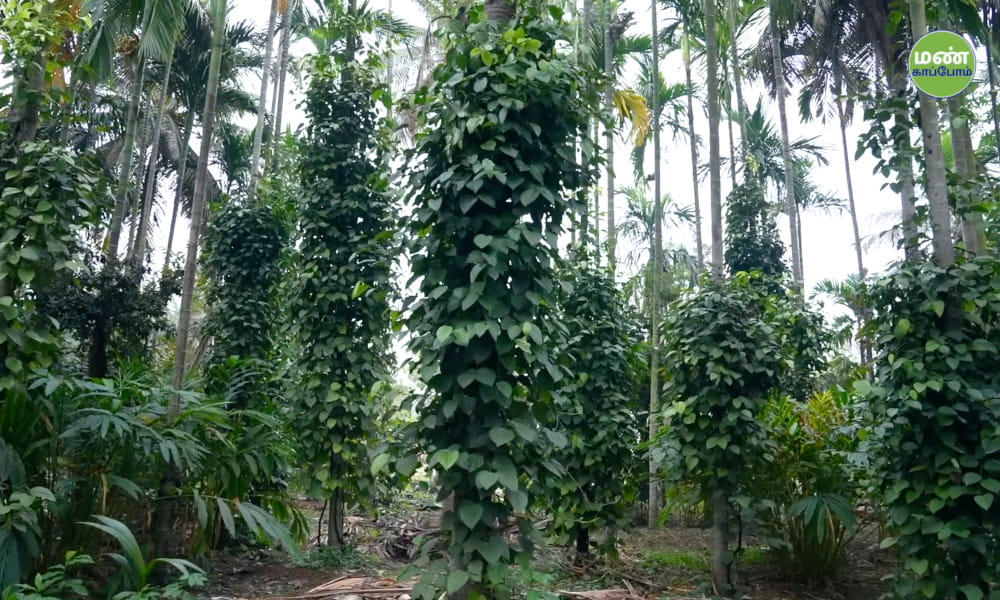
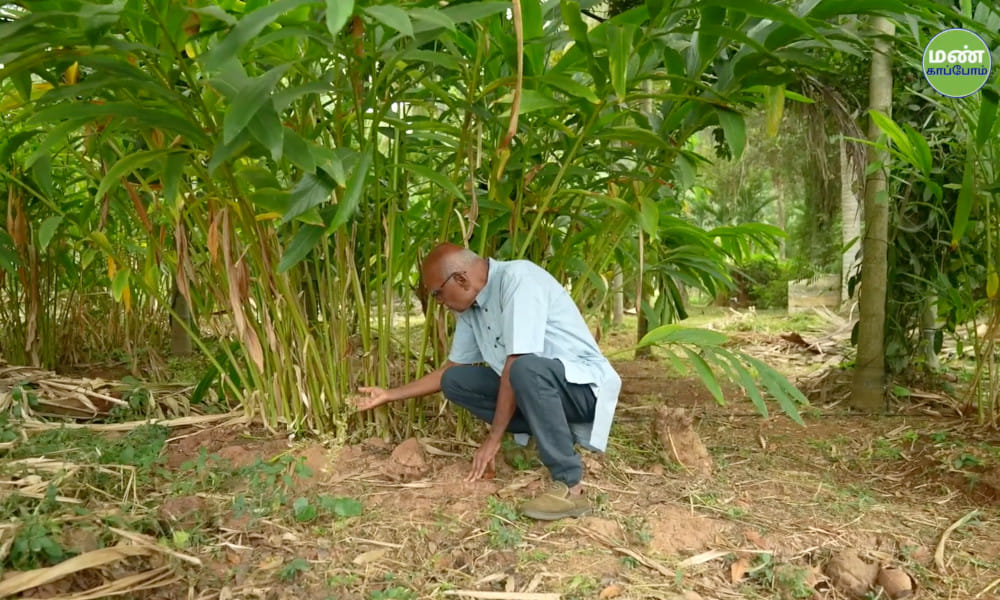
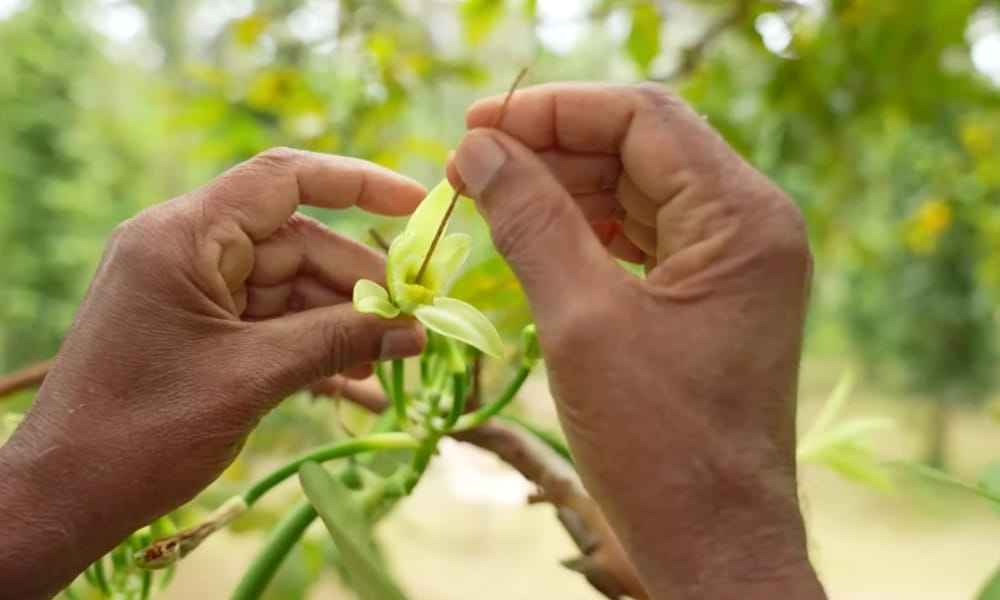
In nature there is no concept of a single‑crop system. Forests and wild landscapes are always multi‑cropped. Determined to align my farm with nature’s example, I began to use the existing trees as support for trailing vines. I introduced pepper to climb on both the coconut and areca nut trees. Later, I added vanilla as well. Even after that, I saw there were still shaded pockets of land not being fully used. Cardamom, which prefers low light and thrives in shade, was the perfect fit, so I planted that too.
Within a span of ten to fifteen years, the system came together. I started this journey in 1983, and now it has been 43 years. Today, on just 2.5 acres, the land holds a rich diversity of trees and crops: coconut, vanilla, guava, mango, banana, pepper, cardamom and many others.
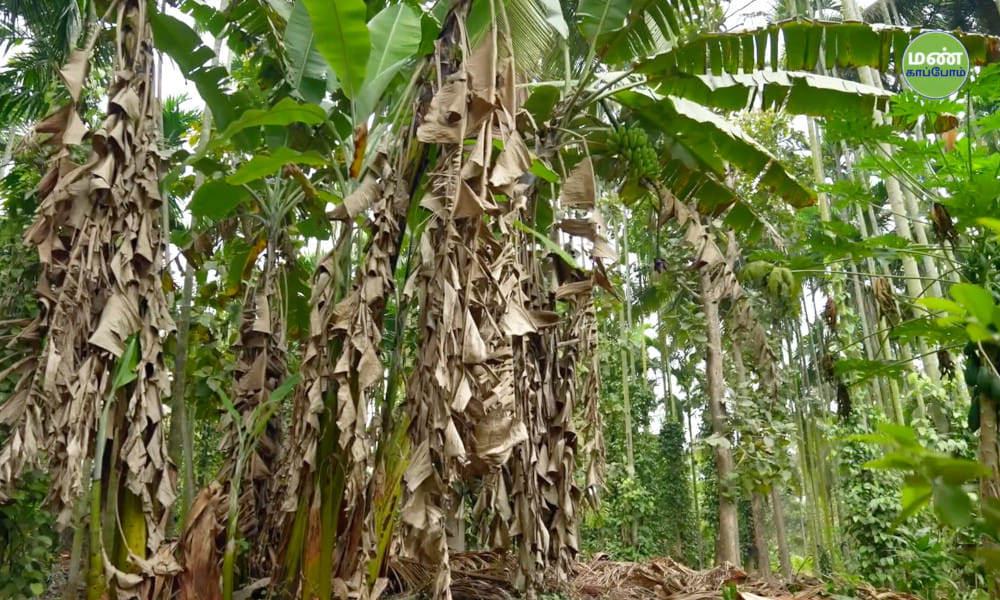
From this small but complex ecosystem, I comfortably earn an annual income of around 15 lakhs. In some years it is even higher, but 15 lakhs is the average. On the other hand, my expenses remain remarkably low. In a year, I spend only about ₹30,000 to ₹40,000. I have never used chemical fertilisers, never ploughed the land and never cleared weeds with machines or chemicals. For 43 years I have used only natural fertilisers, and that too only occasionally. To spend ₹30,000 to ₹40,000 and earn 15 lakhs clearly shows how viable this method can be.

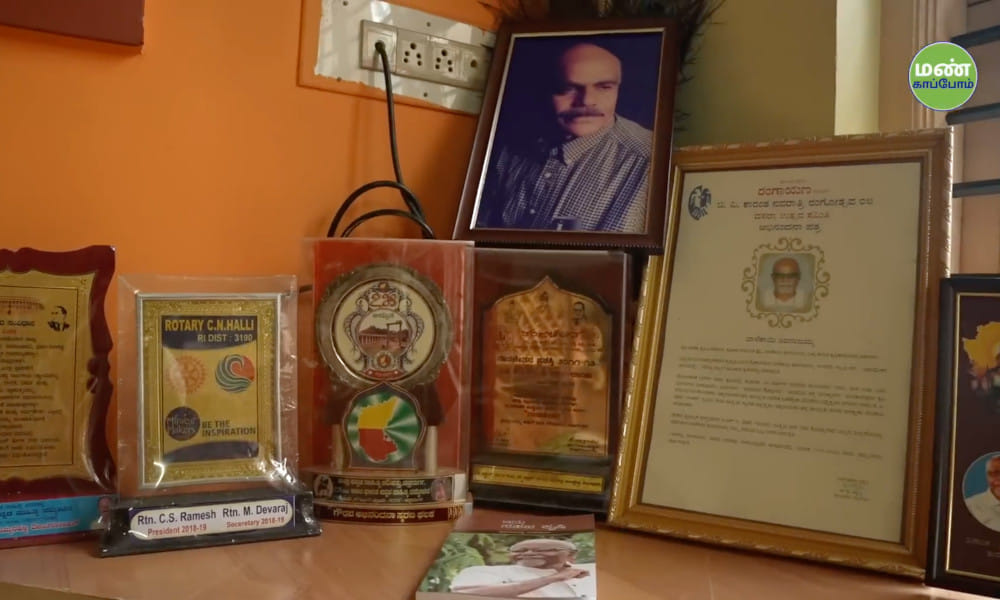
I am happy to see that the Isha Foundation has launched Isha’s Save Soil Movement, which works to secure food and life for society by bringing focus back to tree‑based and natural farming. This is nothing but the effort to make the soil alive again. For more than four decades I have been following the same principles on my own land. They have recognised and appreciated this journey in natural farming, and I am grateful for that. With gratitude to Sadhguru and the Isha Foundation, I offer this experience as a living example of what is possible when the soil is respected and allowed to live.
Keep In Touch
Get the latest updates on blog and happenings at Save Soil Regenerative Revolution and on the rest of Isha's social work — delivered to your inbox.