
>
Save Soil Regenerative Revolution>
Blogs>
Featured Initiatives>
Growing Seeds of Change: Inside India’s First Farmer-Owned Seed Company
Share
Growing Seeds of Change: Inside India’s First Farmer-Owned Seed Company
Featured Initiatives

28 Aug 2026

07:03 am
Poison Free Seeds, Preserving rare varieties and High Farmer Returns: The Sahaja Seeds Model in Action
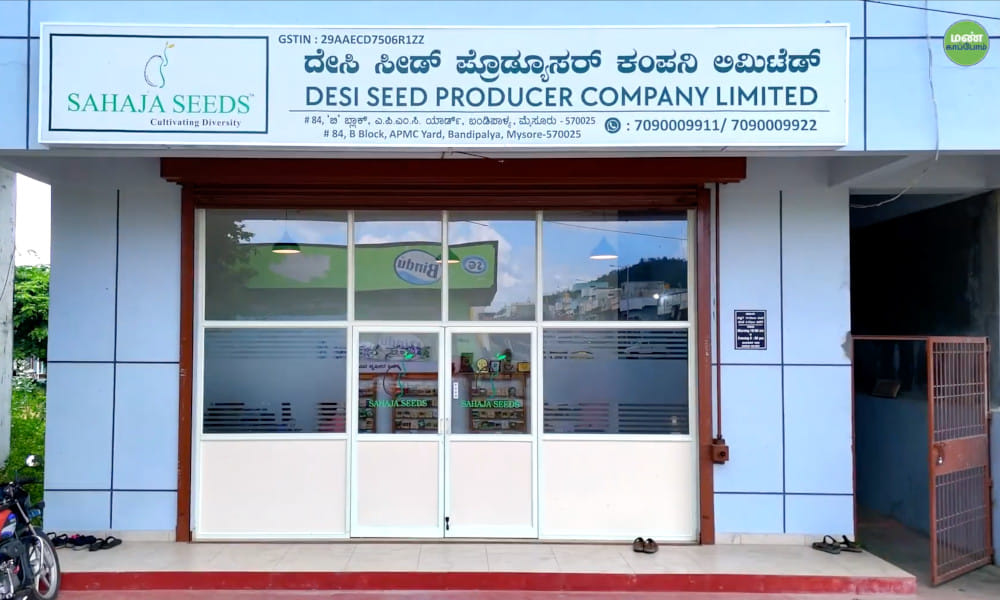
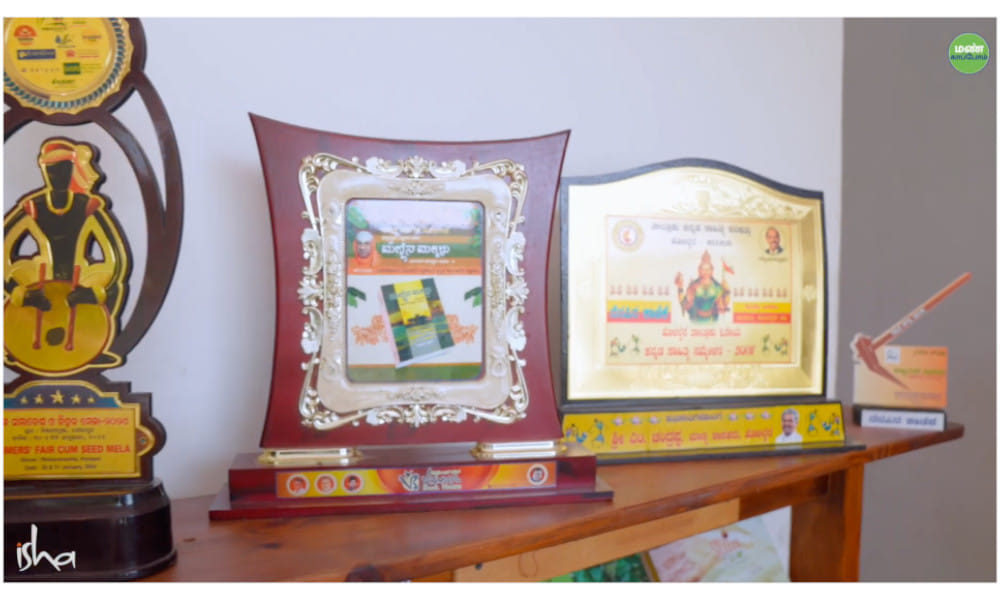
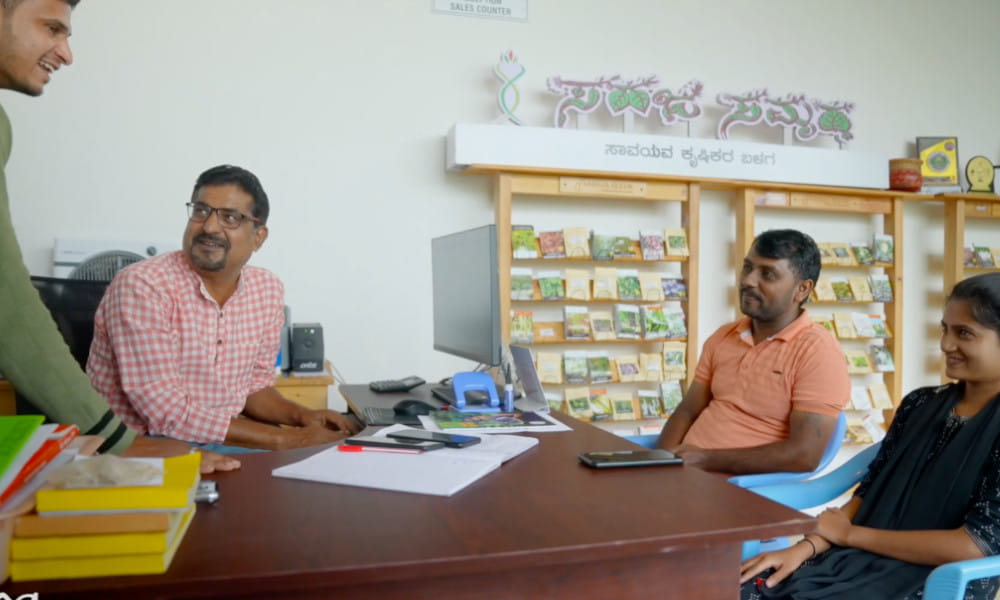
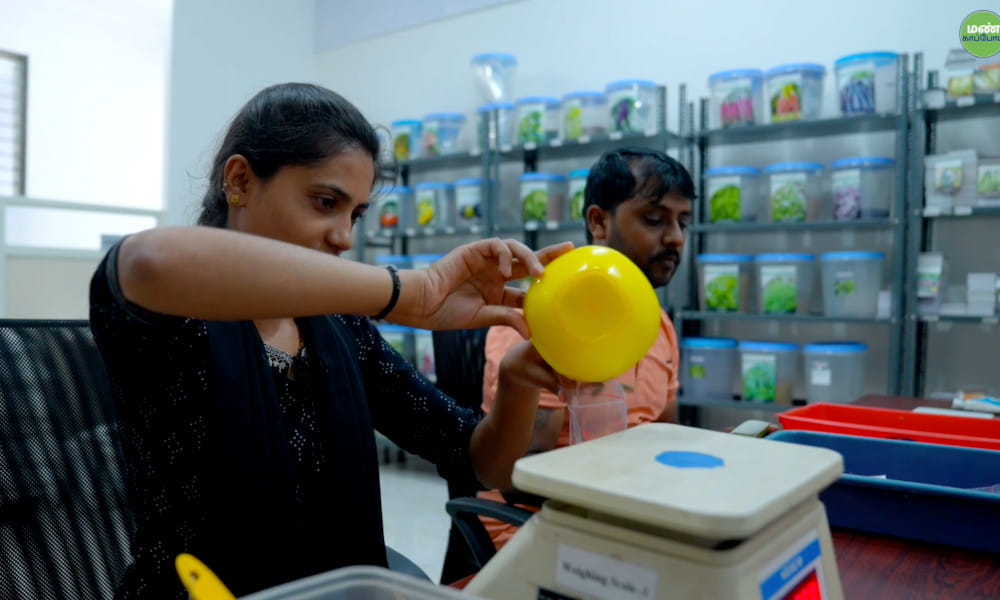
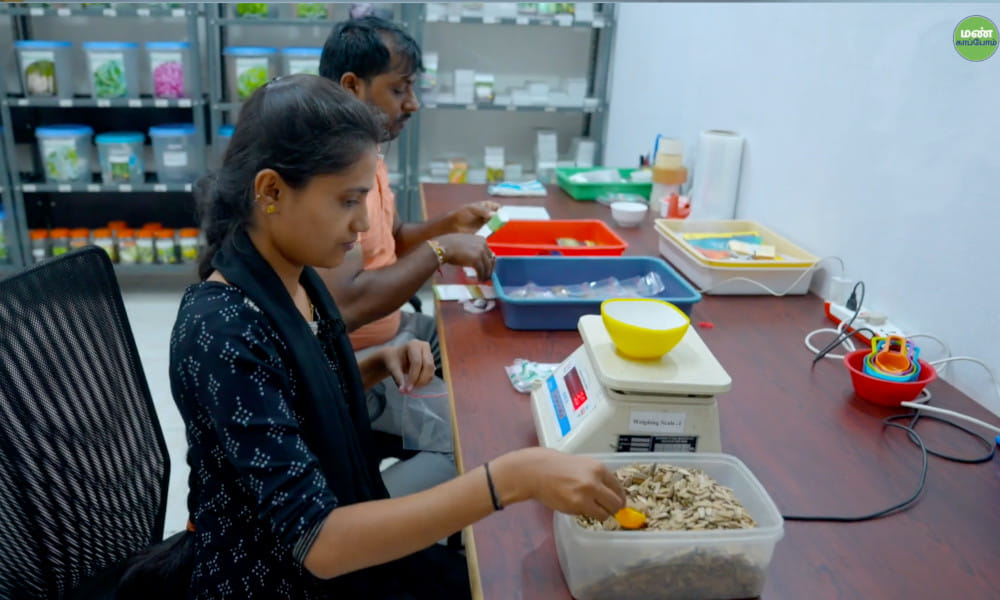
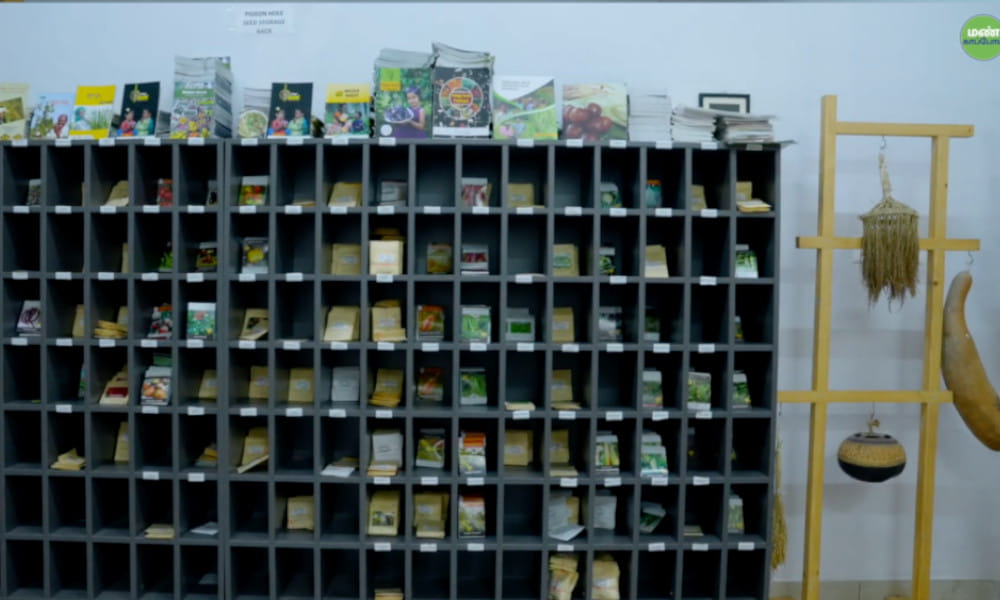
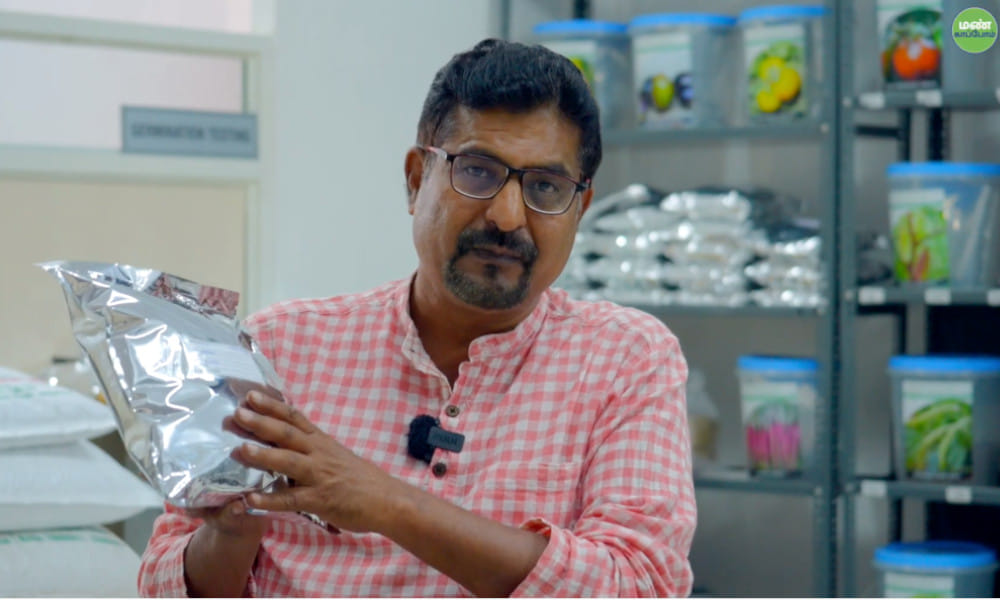

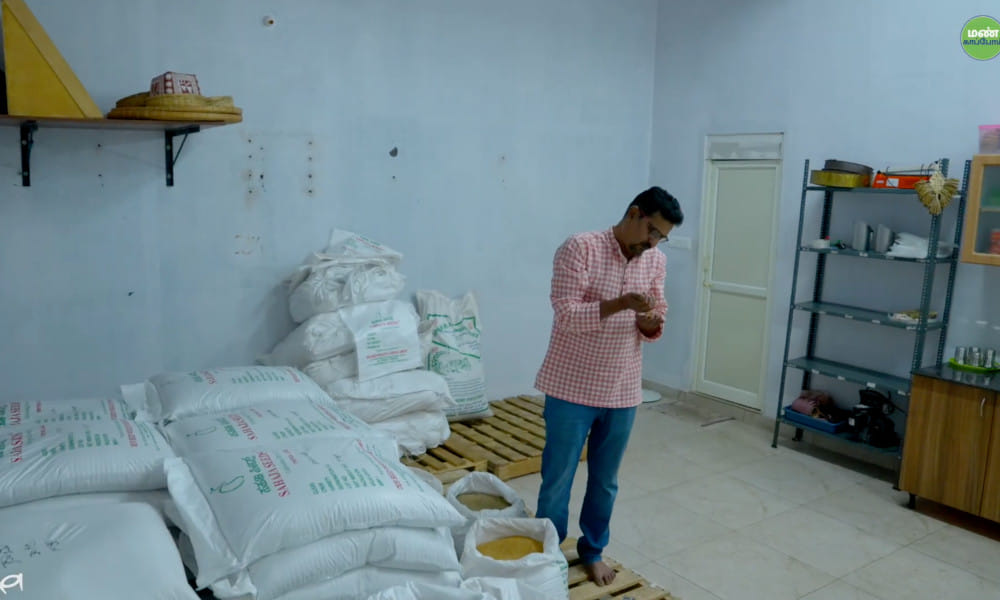
Sahaja Seeds stands as a remarkable example of farmer-led innovation. It is India’s first seed company owned entirely by farmers, founded with the simple yet powerful aim of meeting farmers’ real needs. Headquartered near the Tamil Nadu border, the company has built a strong network of seed savers across Kollegal, Mysore, North Bengaluru, and throughout Karnataka. Today, 110 dedicated seed savers including several women’s groups work together under this pioneering initiative, producing high-quality seeds and supplying them directly to fellow farmers.
The journey began in 2000 with the creation of Sahaja Samrudha, a movement born out of necessity. At that time, farmers practicing natural farming often struggled to find chemical-free seeds. To ensure that traditional varieties didn’t vanish, the group started saving seeds collaboratively. Soon, they realized the urgent need for an organized effort to produce and distribute these varieties on a larger scale. From this realization, Sahaja Seeds emerged as India’s first farmer-owned seed company, dedicated entirely to natural and sustainable agriculture.
The farmers associated with Sahaja Seeds grow traditional seeds without using any chemicals. Each participating farmer allocates one or two acres solely for seed production. Instead of relying on synthetic inputs, they prepare natural fertilizers like Jeevamrutham and use homemade organic pesticides. These natural methods not only maintain soil health but also yield excellent results. Every seed is a product of care, dedication, and sustainable farming practices.
Financial empowerment is a key part of the Sahaja Seeds model. The company pays farmers 10 to 20 percent more than the prevailing market price, ensuring that their hard work translates into prosperity. Initially, some farmers were skeptical, uncertain whether such an initiative could succeed. But once they saw their earnings increase, attitudes quickly changed. Many began approaching the company, eager to grow whatever seeds were needed. One farmer shared, “Sir, give us whatever seeds you want; we will sow them. This is very good. I planted half an acre and earned one lakh rupees in income.” Stories like this show how profitability can go hand in hand with sustainability.
The story of a farmer named Lokesh illustrates this model’s potential. Near Sathyamangalam, in a town called Kollegal on the way to Mettupalayam, Lokesh cultivated Madanapalli tomatoes on just ten cents of land. At that time, tomato prices were dismal barely five rupees per kilogram even during the Ugadi festival. Instead of selling his produce at a loss, Lokesh decided to turn his crop into seed. From those ten cents of land, he extracted and sold 20 kilograms of tomato seeds, earning 70,000 rupees. While others made no income that season, Lokesh turned his small plot into a profitable venture. His success inspired five young farmers from Araipalyam village to follow his lead, proving that with patience and care, seed production can be a highly lucrative endeavor.
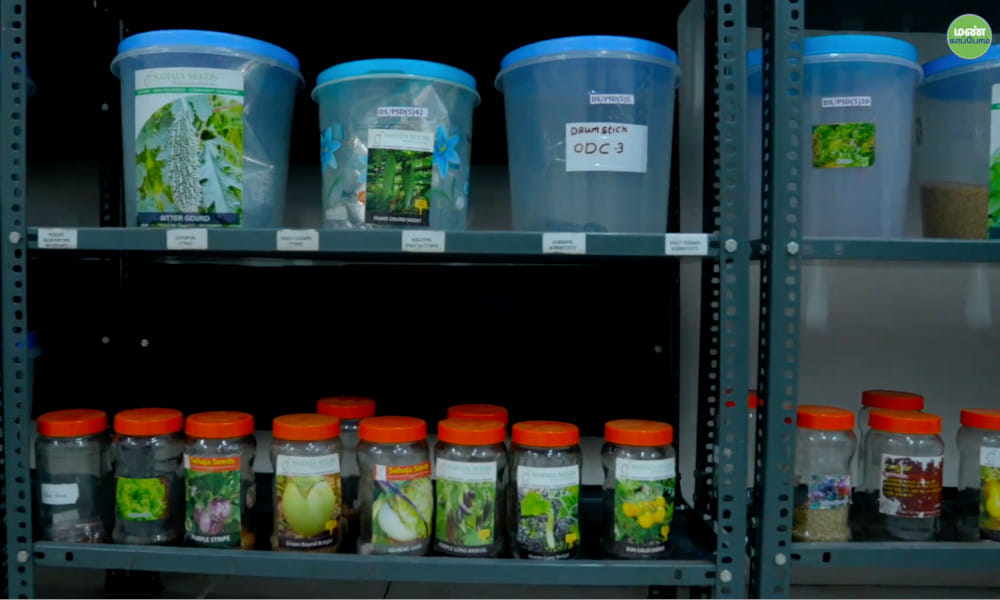
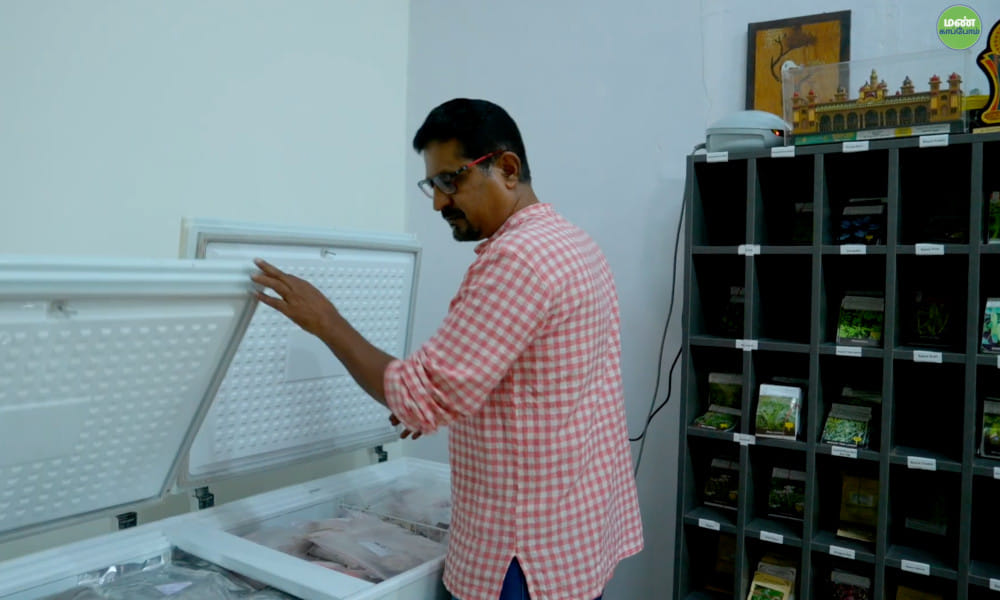
The process behind seed production and preservation is both meticulous and scientific. Once crops like tomatoes mature, farmers extract the seeds, dry them thoroughly to eliminate moisture, and deliver them to the company. Sahaja Seeds then packages these seeds in aluminum foil covers and labels them with details such as variety name, date of arrival, and germination rate. They are stored in deep freezers to maintain high germination potential for up to three years. When ready for distribution, the seeds are repackaged into smaller one- or two-kilogram packets, ensuring a smooth journey from farm to market.
Today, Sahaja Seeds has 110 shareholders, with 50 of them actively engaged in seed production. Their network extends within a 100-kilometer radius of Mysore and Bangalore, with key centers like the Belavala Foundation near Mysore, producers in Araipalyam in Kollegal, and farmers in Aanaikal on Gork Road in Tamil Nadu. The company even collaborates with farmers from Nagaland, Assam, and Himachal Pradesh to source seeds of crops that require cold climates, such as carrots, cabbage, and cauliflower. However, one principle remains firm: no seeds are ever purchased from commercial companies only from Sahaja Seeds farmers. This ensures integrity throughout the supply chain.
Financially, the company has achieved impressive success. With an annual business of around 1 crore 20 lakh rupees and profits of 25 lakhs, Sahaja Seeds continues to thrive. Yet, its profits don’t stay within the company. Instead, they return to the farmers through a structured bonus system. For example, a farmer who supplies seeds worth one lakh rupees receives an additional ten thousand rupees as a bonus. This model emphasizes the collective spirit at the heart of Sahaja Seeds ensuring that wealth remains within the community and supports those who sustain it.
Through its farmer-first approach, Sahaja Seeds has become more than a company, it is a movement. It demonstrates that when farmers take charge of production, preservation, and distribution, they can safeguard biodiversity, earn fair profits, and create self-reliant rural economies. The founders believe that every district in India should have its own farmer-owned seed company. Sahaja Seeds stands as a living model of how that vision can be realised.
Keep In Touch
Get the latest updates on blog and happenings at Save Soil Regenerative Revolution and on the rest of Isha's social work — delivered to your inbox.