
>
Save Soil Regenerative Revolution>
Blogs>
Human Impact Stories>
A Way of Life: Ilanchezhiyan’s Success with Natural Farming
Share
A Way of Life: Ilanchezhiyan’s Success with Natural Farming
Human Impact Stories

14 Jul 2026

04:02 am
How zero-budget techniques and high-density planting are redefining agricultural productivity and financial stability
A Foundation in the Soil
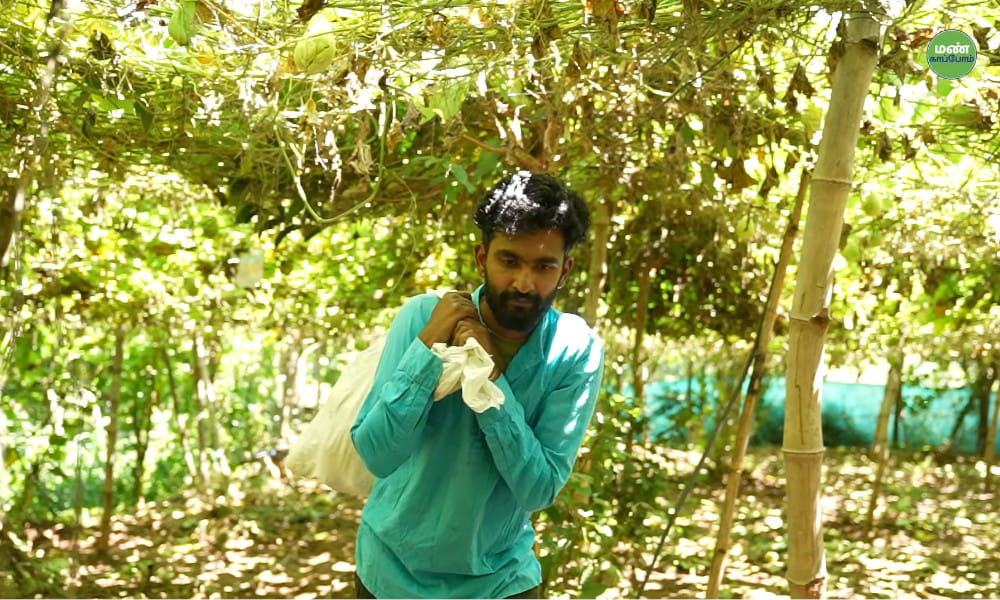
My name is Ilanchezhiyan and my journey in agriculture began long before it became my profession. I was born into a farming family where my grandparents spent their lives raising goats, tending to cattle, and cultivating the land. Growing up, the garden was my world. I remember the distinct taste of fresh vegetables eaten straight from the patch and the abundance of fruits available. We would climb trees and pluck whatever we saw. This way of life was naturally ingrained in me. At that time, I did not consciously think of it as natural farming or a specific method. It was simply how we lived. Even then, the productivity of our small plots was evident. While other farmers might harvest ten bags of produce, our land would often yield twenty.
Choosing a Path at Sixteen
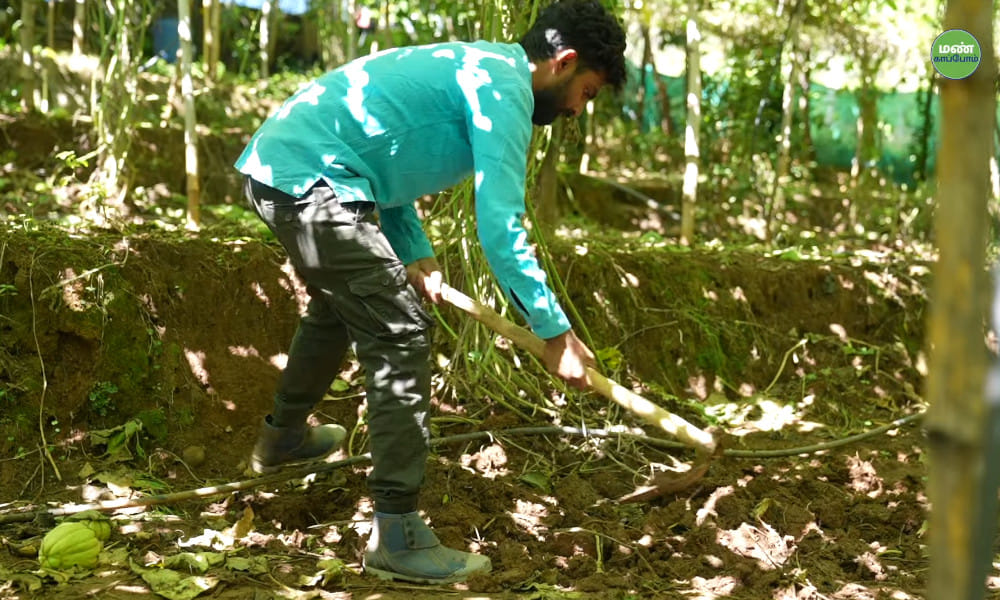
By the age of sixteen, I decided that my future would be dedicated entirely to agriculture. While I sought work elsewhere initially, I was told I needed to be eighteen to be employed. This led me back to the only profession I truly knew. I began to explore different methods, from chemical systems to hydroponics, but I ultimately chose to stay with natural farming. The primary reason was the health of the soil. Because our land had been maintained naturally for so long, I faced no issues with yield. I realized that if the existing techniques provided the necessary results, there was no need to seek external, chemical-based alternatives.
Lessons from Nammalvar
While my grandparents practiced farming without a formal understanding of modern chemicals, my personal growth in this field was shaped significantly by the guidance of Nammalvar. Through his teachings, I learned essential techniques such as mulching and the use of raised beds. These methods represent a shift toward working with nature rather than against it. I have found that while I invest heavily in land that I take on lease, the natural farm I have cultivated since my youth requires almost no financial investment.
The Concept of Zero Budgeting
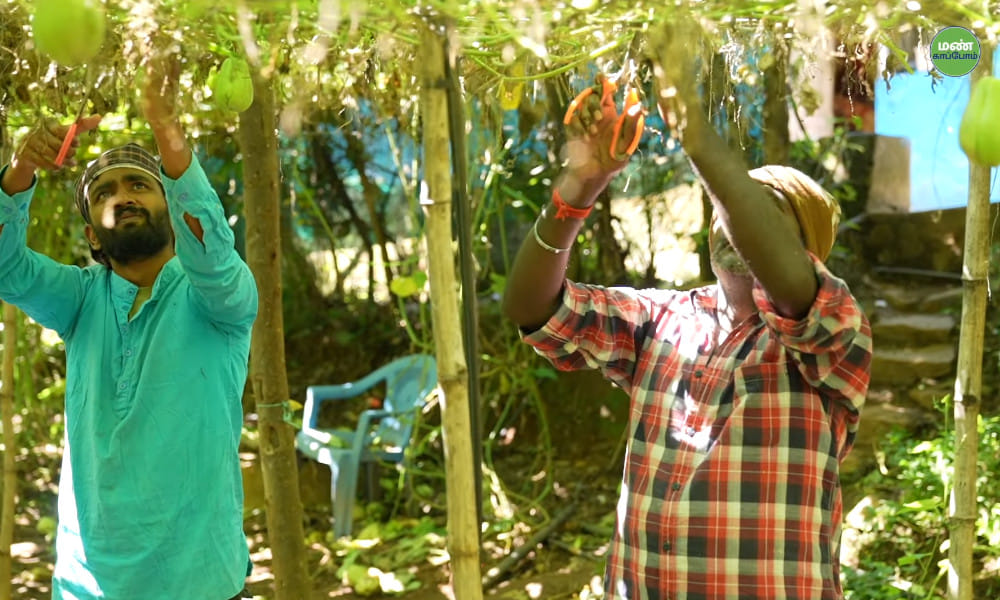
Natural farming is the only agricultural method where zero budgeting is truly possible. In chemical-based farming, expenses are a constant requirement. Zero budgeting means utilizing the resources immediately available in your environment to create a self-reliant system. While it may take three to four years to transition a leased plot into a fully productive natural farm, the results are sustainable. In my experience, the highest yields consistently come from land that has been dedicated to natural farming for a long duration. In these established systems, my primary costs are limited to labor for harvesting and the occasional purchase of manure.
Working with Nature’s Defense Force
In my fields, I view insects as a functional army. Many farmers drive ants away, but I choose to leave them alone. They serve as a natural defense, preying on aphids and controlling other pests like nematodes, cutworms, and wireworms. These pests are common in the Nilgiris and can damage stems or bore into vegetables, but the ants manage their populations effectively. I follow a simple rule: seventy-five percent of the harvest is for human use, while twenty-five percent is left for nature. Birds and squirrels take their share, but they also provide benefits, such as eating harmful larvae. Intervention is only necessary in extreme cases. For instance, if a virus appears on a single plant, I manually remove that plant from the field to prevent the disease from spreading.
High-Density Planting and Weed Suppression
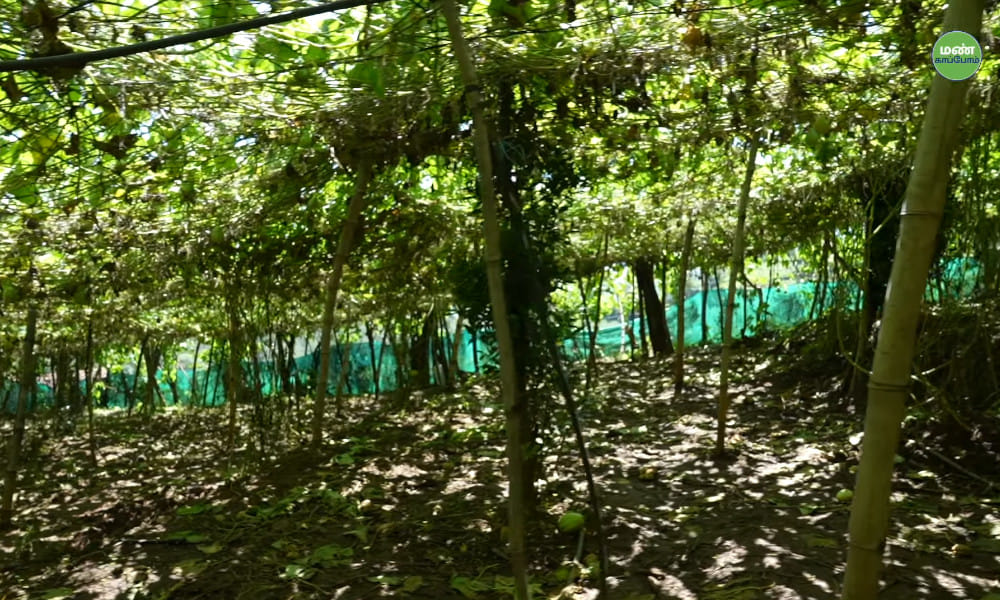
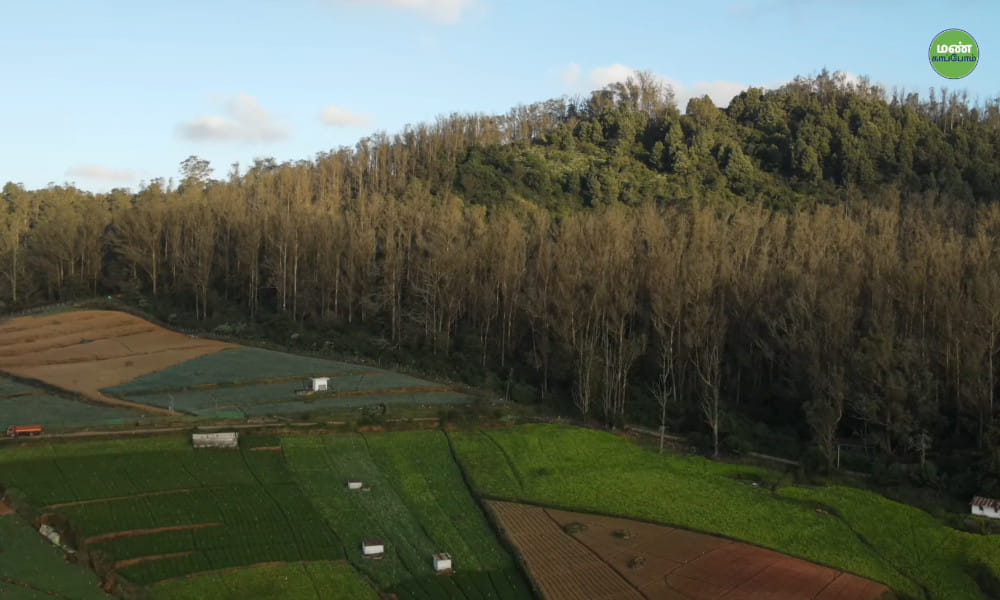
To manage the land efficiently, I divide my farming into two seasons: January to June and July to December. At the start of the year, I sow a variety of seeds on the same day, including 30-day, 45-day, 65-day, 90-day, and 120-day crops. I use terraced plots and raised beds to prevent soil erosion during heavy rains. To control weeds, I utilize high-density planting. By growing crops closely together, the canopy prevents sunlight from reaching the soil, which stops weed seeds from germinating. This method reduces the need for manual weeding significantly. For example, once the chayote canopy thickens, it naturally suppresses the undergrowth, and the pruned leaves further nourish the soil.
Quantifying Productivity and Income
The financial potential of natural farming is significant when practiced correctly. For a chayote crop, it is possible to harvest three tons per month. Other crops show similarly high yields. Beans can produce 1,500 kilograms, and an acre of carrots can yield 22 tons. Tuber crops can yield between 15 and 16 tons per acre. I calculate my success on an annual basis rather than monthly because yields can fluctuate. On one acre of land, a farmer can expect to earn between five and six lakh rupees per year. Even after accounting for variable expenses such as labor, infrastructure, or manure, the net return remains substantial, ranging between three and six lakh rupees.
A Responsibility to the Future
For me, natural farming is not just a business. It is a way of life and a passion. As part of Isha’s Save Soil Movement, I feel a deep responsibility to pass this knowledge to the next generation. Currently, a very small percentage of the population is involved in farming, and an even smaller group practices natural farming. It is vital to create awareness so that more people join this movement. Without a robust system for food production, the cost of basic vegetables could rise dramatically, impacting the national economy. My goal is to inspire others to start their own natural gardens, even in small spaces like backyards or terraces, to ensure a healthy and sustainable future.
Keep In Touch
Get the latest updates on blog and happenings at Save Soil Regenerative Revolution and on the rest of Isha's social work — delivered to your inbox.