
>
Save Soil Regenerative Revolution>
Blogs>
Human Impact Stories>
My Journey to Natural Farming: A Path to Sustainable Practices
Share
My Journey to Natural Farming: A Path to Sustainable Practices
Human Impact Stories

14 Apr 2026

06:46 am
Balasubramaniam shares his experience and methods in cultivating traditional rice varieties, managing pests, and enhancing soil health without chemicals in Thesur Town Panchayat.
A Personal Transition to Natural Farming
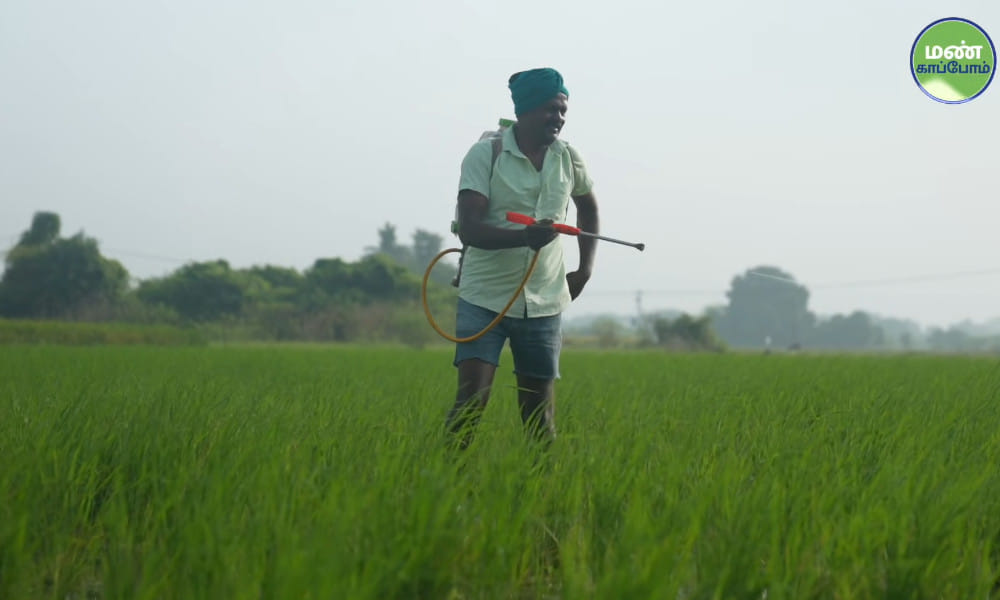
My name is Balasubramaniam, and I reside in Thesur Town Panchayat, located in the Vandavasi taluk of Tiruvannamalai district. My farming operations are based here at "Thesur Bala Farm." Since 2010, for the past 15 years, I have been practicing natural farming. Initially, we cultivated rice using conventional chemical methods and focused on seed production. Over time, we transitioned from growing three varieties annually to managing approximately 16 to 17 traditional varieties using natural farming techniques.
The primary motivation for this shift was my personal health. Whenever conventional chemical sprays were applied to the crops, I suffered a severe burning sensation on my skin. I began to question the long-term impact on the human body and the quality of the food we consume. Developing stomach-related issues and skin allergies compelled me to pivot away from chemical fertilizers. While conventional farming often promises higher yields, the actual profit margin is frequently lower due to high input costs. In contrast, natural farming provides higher profit gains even with a slightly reduced yield. I view chemical fertilizers as a volatile commitment, a single lapse in vigilance can lead to a total crop loss from pest attacks. In natural farming, we do not chase maximum yield but focus on working with nature to ensure sustainable profit.
Guidance and Early Challenges
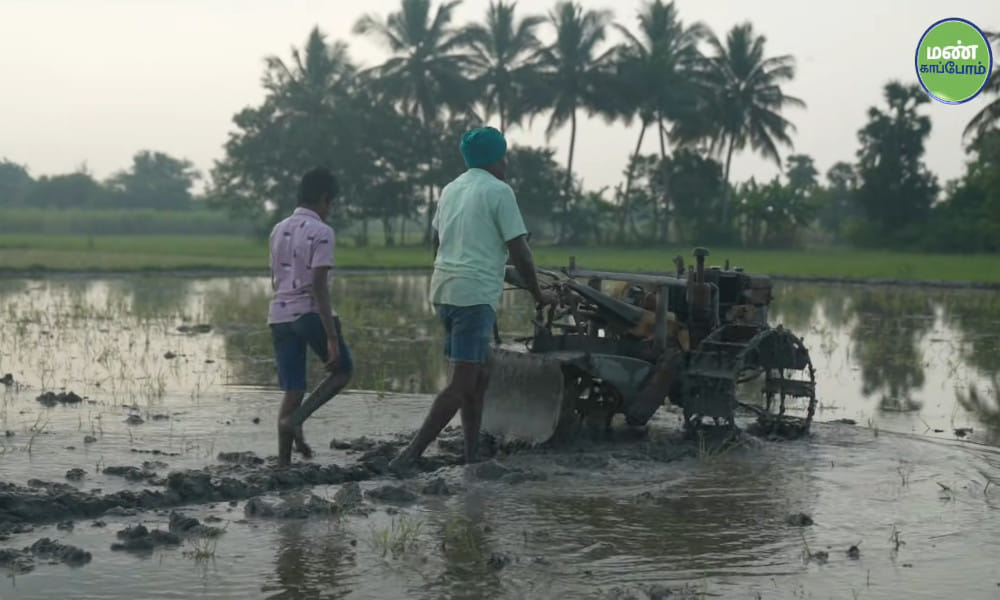
When I began this journey, I sought out other practitioners and connected with Ilango Ayya, a teacher near Vailoor. He advised me to start small, but I chose to commit fully, starting natural farming on 5 acres immediately. Initially, my yield was approximately 20% lower than my father’s conventional plots. To address this gap, Ilango Ayya suggested I focus on seed paddy rather than raw grain, explaining that the premium value of seed paddy would more than compensate for the lower volume.
To further refine my methods, I collaborated with Isha’s Save Soil Movement and visited experienced farmers like Nagarathinam Ayya Naidu in Tiruvannamalai. These interactions taught me simpler techniques for seed paddy management and the benefits of intercropping. Today, we continuously cultivate and provide traditional varieties to other farmers, including Karuppu Kavuni, Mappillai Samba, Rathasali, Kulla Kar, Poongar, 60-day Kuruvai, Karunkuruvai, Swarna Masuri, Thuyamalli, Sivan Samba, Kichili Samba, and Naattu Basmati.
Nursery Preparation and Sowing Techniques
We have experimented with various planting methods. While machine planting was attempted, it proved inconsistent in our soft soil, often failing to establish seedlings properly. Consequently, we returned to manual methods and the use of a drum seeder. A common error in manual planting is placing seedlings too deep in the mud, which prevents them from turning green. Seedlings should be placed maturely on the surface so they can grow automatically.
For optimal seedling preparation, raised beds are ideal as they require minimal seed. If using a regular nursery bed, I recommend using about 5 kg of seed for a 5-cent area. By sowing widely with at least a one-inch gap between seeds, we produce stout seedlings with abundant tillers. Dense sowing results in thin, weak seedlings that are difficult to transplant. We currently use a drum seeder to draw lines and follow up with a cono weeder on the 15th day to manage weeds.
Soil Health and Crop Rotation
Soil health is maintained through a disciplined crop rotation system. We utilize a numbered system for each plot to ensure a cyclical supply of nutrients. For example, if a plot features Karuppu Kavuni one season, it is followed by a fine rice variety. During water shortages, we plant groundnuts, followed by sesame, black gram, or sugarcane.
Our sowing precision depends on the crop duration. For crops with a growth period under 100 days, we use a drum seeder with 0.75-foot spacing. For crops exceeding 100 days, we utilize 1.25-foot spacing. Ensuring straight lines with the drum seeder simplifies the entire process until harvest.
Water and Bund Management
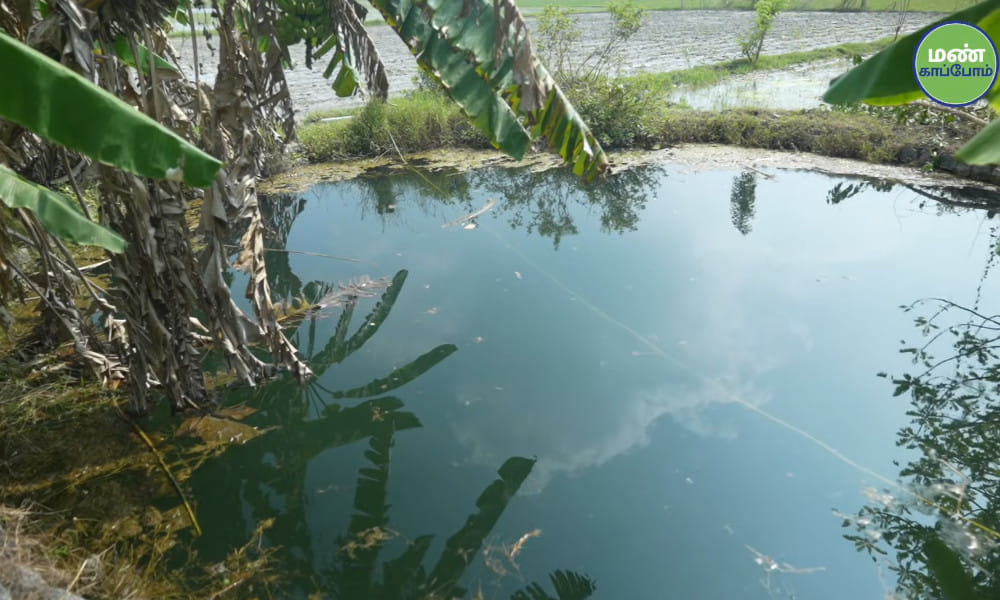
Effective water management requires avoiding both stagnant water and excessively hard soil. Over-saturation leads to a condition called "souring," while insufficient water causes crops to turn yellow. To manage this, we implement a surrounding ditch known as a "Suthukava." This ditch allows for the even circulation of nutrients throughout the field within minutes of turning on the motor.
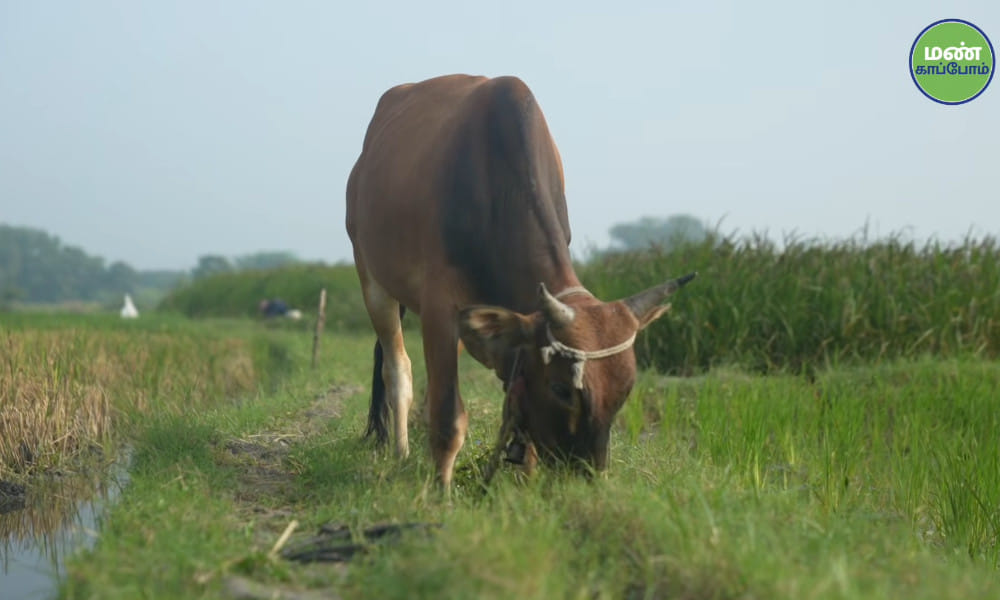
To prevent water seepage, we rely on natural bund management. Instead of using pesticides to kill earthworms, whose holes can cause leaks, we allow our calves to graze and tread along the bunds. Their movement naturally seals the soil. We also prioritize the storage of rainwater, allowing it to stand for three to five days so it can soak into the soil. This absorbed rainwater acts as a natural remedy for the crop.
Holistic Weed and Pest Control
Weed management is most effective when addressed early. We perform a light weeding 15 days after sowing. If weeds mature beyond this point, their roots become too deep to manage easily. Beyond weed removal, every crop benefits from soil agitation, or "kalakkal." For both transplanted and direct-sown crops, we perform three agitations at 15-day intervals (at 15, 30, and 45 days). Using a cono weeder or machine to agitate the soil crisscross and lengthwise aerates the soil, allowing it to "breathe" and promoting vigorous growth.
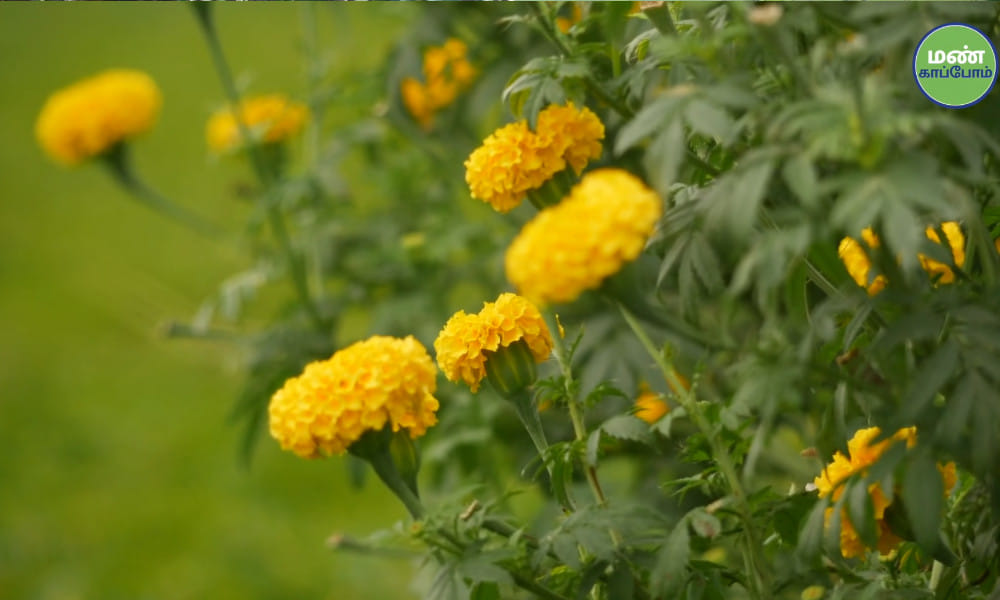
Pest management on our farm involves a multi-layered and holistic approach. We focus heavily on bund management by planting black gram along the edges of the fields. This hardy crop serves as a perimeter defense to help control pests. We also utilize trap crops strategically. For instance, planting cowpea at the corners of the field attracts aphids, which in turn draw in predatory insects that consume other harmful pests. Similarly, we plant maize around the field to attract birds, as insects tend to congregate on the maize and provide a natural food source for them. Our ecosystem is further balanced by the presence of natural predators like snakes, mongooses, and cats, which work together to naturally manage the rat population. For targeted solutions, we spray fish amino acid on the bunds specifically to deter rats. We also prepare a fermented oil cake solution by soaking two kilograms of oil cake in 200 liters of water. Allowing this mixture to ferment in the sun helps multiply beneficial microorganisms, and we have found that utilizing seven different types of oil cakes in this preparation is highly effective for maintaining crop health.
Marketing and the Sharing Economy
Our operational model relies very little on hired labor, as I handle most tasks like input application and spraying myself. Hired labor is primarily utilized for efficient one-day harvest operations.
In terms of marketing, we prioritize value addition and community exchange. We advise farmers to produce and consume their own food first to understand its quality before selling. We process our raw produce into rice, flattened rice, puffed rice, and biscuits to increase profit margins. To ensure a continuous supply for customers, we utilize exchange systems within the natural farming community. For instance, I may exchange surplus paddy for vegetables with other members of our WhatsApp groups. This sharing model maintains a stable economic cycle. My philosophy remains that a natural environment leads to a natural victory.
Keep In Touch
Get the latest updates on blog and happenings at Save Soil Regenerative Revolution and on the rest of Isha's social work — delivered to your inbox.