
>
Save Soil Regenerative Revolution>
Blogs>
Human Impact Stories>
Preserving Tradition: A Century-Old Rice Mill Supporting Natural Farmers
Share
Preserving Tradition: A Century-Old Rice Mill Supporting Natural Farmers
Human Impact Stories

23 Oct 2026

06:37 am
How Meenakshi Rice Mill utilizes age-old processing techniques to retain nutrients and support the economics of natural farming.
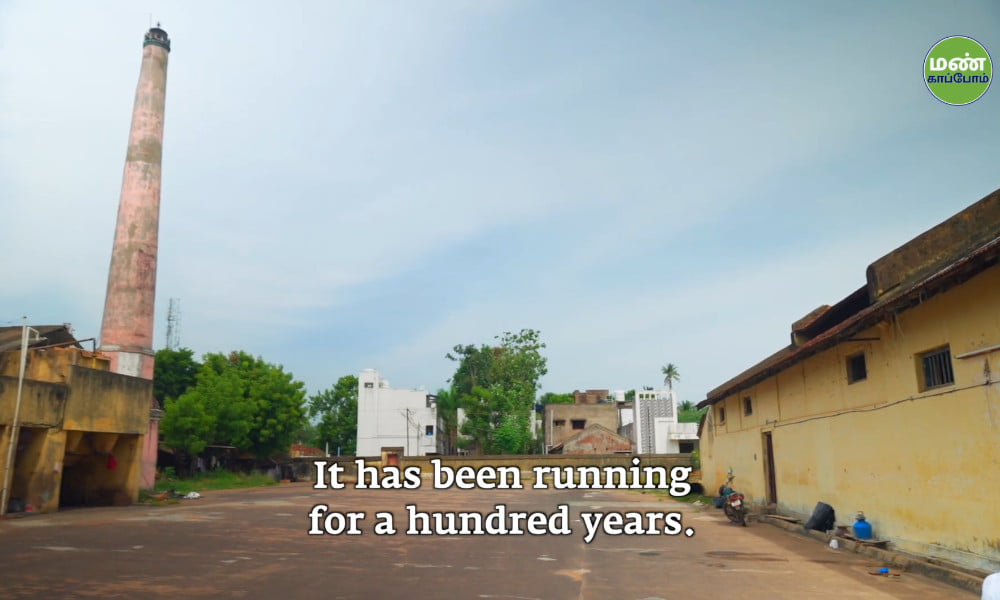
A Legacy of Milling in Thanjavur
For one hundred years, the Meenakshi Rice Mill has operated in Thanjavur, witnessing the dramatic evolution of the rice industry. Managed by Mr. Ganesan, who possesses 45 years of personal experience in the field, the mill has navigated a changing landscape where many others have failed. Over time, numerous local mills were forced to shut down due to the influx of highly polished rice from other states. Local consumers began to prefer this glossy appearance, despite issues with hygiene in the imported stock. However, Meenakshi Rice Mill found a way to survive and thrive by pivoting its focus toward a specific clientele: natural farmers.
Processing for the Health-Conscious
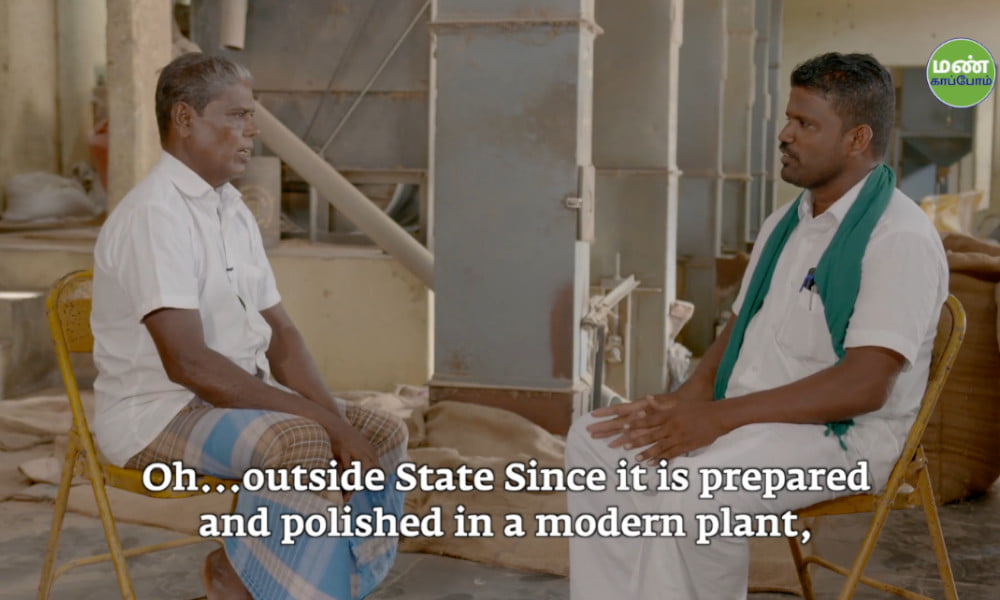
Today, the mill specializes in processing varieties such as White Ponni, BPT paddy, Katta Ponni, and Seeraga Samba. A significant portion of their operation is dedicated to processing paddy grown without fertilizers. This focus on natural farming has revitalized the business. While other mills closed, this facility saw an increase in sales, with customers purchasing in both retail and wholesale. Demand has grown enough that monthly parcels are now sent to outstation locations. The facility has the capacity to prepare one hundred bags of paddy per day. When a farmer brings in a harvest, the mill typically processes it into rice within three to five days. The mill operates purely on a service basis, processing the grain exactly according to the farmer's specifications without taking any of the rice as payment.
The Art of Traditional Drying
A key differentiator for the mill is its adherence to traditional processing methods, particularly regarding drying. Unlike modern mills that use mechanical dryers, Meenakshi Rice Mill utilizes sun drying in a yard. Modern dryers heat the paddy artificially, acting almost like a roasting process, which is contrary to nature and strips the rice of its vital nutrients.
The traditional process is meticulous. First, the paddy is washed to remove dirt and filter out chaff or empty grains. The water is then changed before the soaking process begins. Depending on the condition of the grain, it is soaked for 14 to 18 hours. Well-dried paddy requires the full 18 hours, while softer grains require only 14. Following this, the paddy is boiled at 5:00 AM and spread in the yard by noon. This natural drying process takes two days, meaning the paddy becomes rice on the third day.
Machinery and Customization
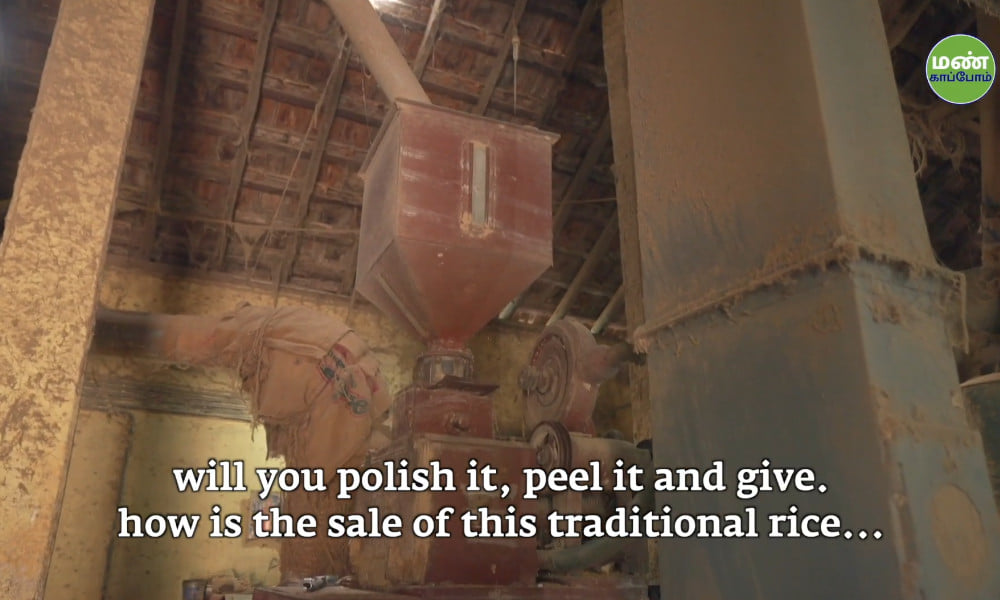
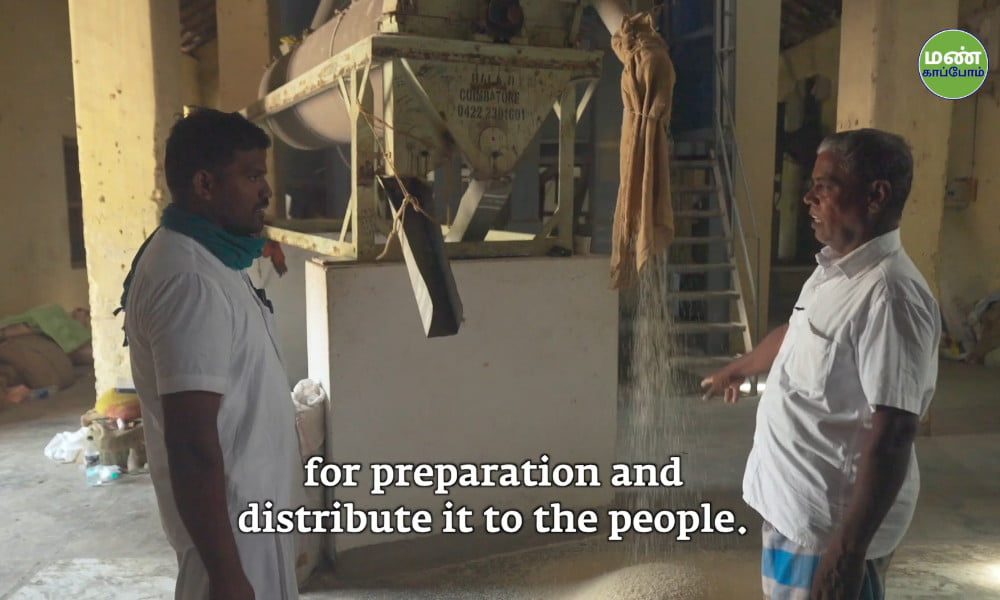
The mill utilizes machinery that includes elevators, paddy cleaners, shellers, and hullers. The equipment, some of which is over 50 years old, is valued for its gentle handling of the grain. The process starts with cleaning sand and dust, followed by husking in the sheller.
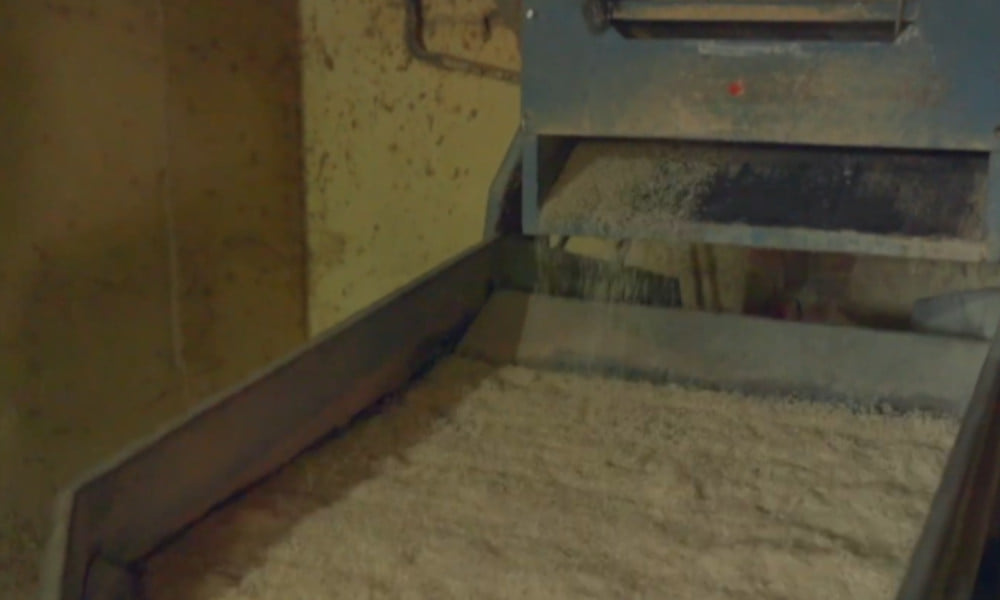
For farmers requesting hand-pounded style rice, the mill skips the heavy polishing. The grain is simply run through the huller to clean the stones. For those requiring polished rice, a cone polisher is used. The mill is also equipped with a color sorter, which is essential for varieties like Idli Samba to remove black grains from the white rice. Finally, the rice is packed into 25-kilogram bags for distribution.
Why Farmers Reject Modern Mills
Vijay Mahesh, a natural farmer since 2011, explains that finding the right mill is critical. He notes that modern mills often reduce the yield returned to the farmer. For a 62-kilogram bag of paddy, a farmer should receive 38 to 40 kilograms of rice, but many modern facilities provide less. Furthermore, modern machinery often over-polishes the rice and uses whiteners, destroying the nutritional value.
Mahesh chose Meenakshi Rice Mill specifically for its vintage machinery and yard-drying method. This ensures that the nutrients are retained, a priority for natural farmers who value the quality of their produce.
The Economics of Natural Farming
There is a powerful economic argument for switching to traditional rice varieties like Karuppu Kavuni, Mappillai Samba, and Kichili Samba. Unlike university varieties that require farmers to purchase seeds every season, traditional varieties allow farmers to save their own seeds, eliminating a recurring cost. Mahesh breaks down the mathematics of cultivating Karuppu Kavuni. An acre yields approximately 22 bags, with each bag weighing 62 kilograms. When processed, this results in 880 kilograms of rice. Even if sold at a minimum price of 100 rupees per kilogram, the revenue is 88,000 rupees.
The most striking difference lies in input costs. Conventional farmers depend heavily on fertilizer shops, spending between 6,000 and 8,000 rupees per acre. In contrast, a natural farmer spends less than 1,000 rupees per acre on inputs, using simple materials like country sugar and broken pulses.
Breaking the Debt Cycle
Conventional farming often leads to a cycle of debt where farmers borrow money for fertilizers and are forced to sell their harvest immediately upon reaping to pay back loans. They often do not even keep paddy for their own households. Natural farming offers financial freedom. Because the input costs are negligible, farmers like Mahesh can afford to store their harvest. He currently holds 500 bags of paddy in stock, valued at 10 lakh rupees, providing him with financial stability that conventional farming rarely offers.
To help farmers achieve this success, Isha’s Save Soil Movement provides essential training on inputs. Lack of knowledge regarding inputs is a primary reason farmers fail when attempting to switch to natural methods. The movement connects farmers with experts who use data to guide them and correct mistakes immediately, ensuring that the transition to natural farming is profitable and sustainable.
Keep In Touch
Get the latest updates on blog and happenings at Save Soil Regenerative Revolution and on the rest of Isha's social work — delivered to your inbox.