
>
Save Soil Regenerative Revolution>
Blogs>
Human Impact Stories>
Prioritizing Health and Earth Through Natural Farming
Share
Prioritizing Health and Earth Through Natural Farming
Human Impact Stories

06 Nov 2026

05:56 am
A journey from chemical inputs to sustainable success and direct marketing with Isha's Save Soil Movement.
An Introduction to My Farm
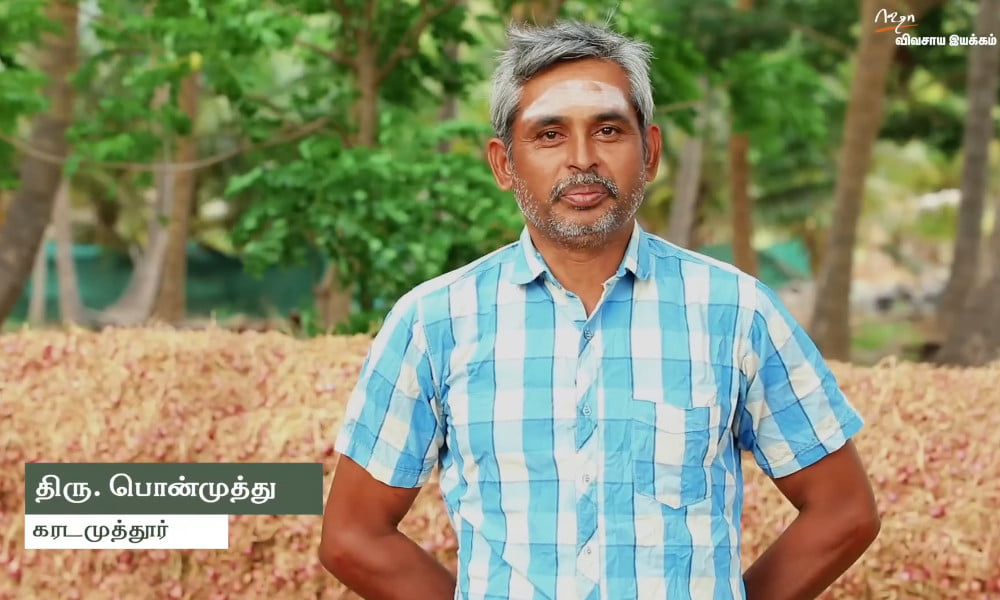
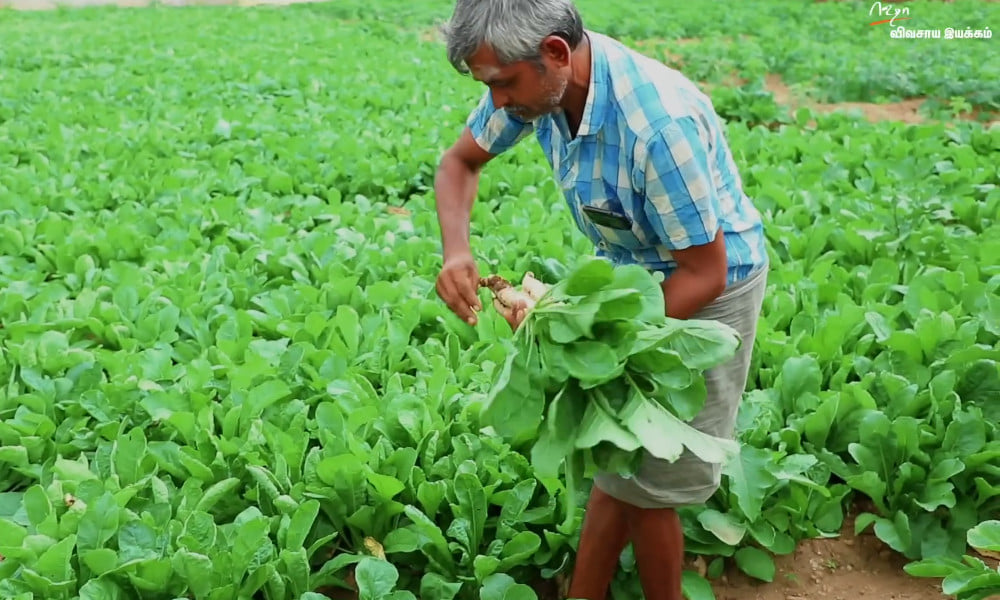
My name is Ponmuthu, and I have been practicing natural farming here in Kiradamuthur for five years. In our garden, we grow vegetables such as small onions, tomatoes, green chilies, brinjal, beetroot, radish, and carrots. Apart from that, there are coconut trees. I have two female children; the elder one is studying in the 9th grade now, and the younger one is in the 6th grade.
The Transition from Chemical Farming
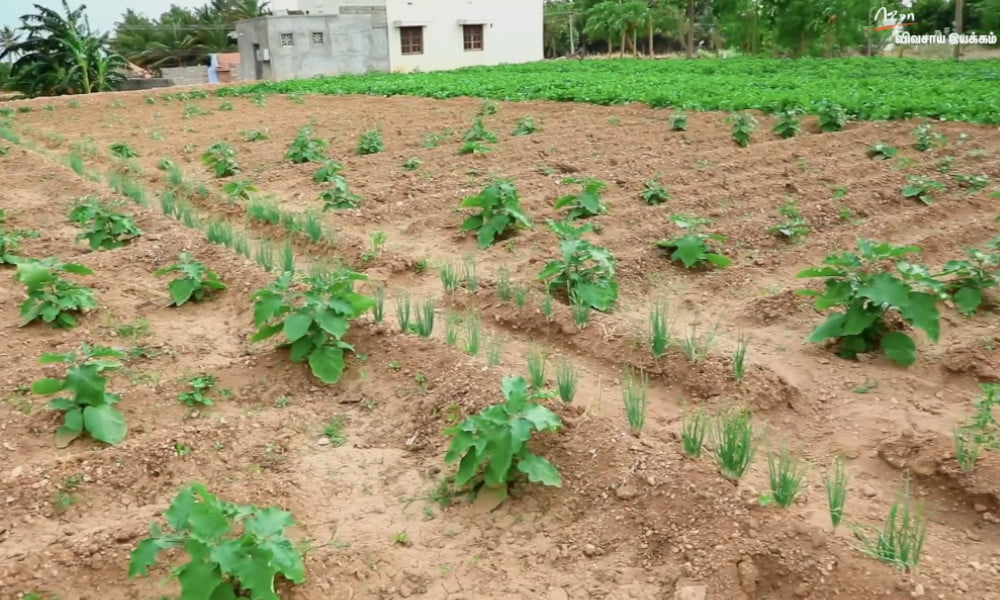
We must live healthily, and our earth must be healthy. It was with this objective that I started farming. However, I used to do chemical farming. When I gave the vegetables grown in my own garden to my child as food, I felt a sense of guilt. I realized we were spraying so much poison and so many chemicals on our crops, harvesting the vegetables the very next day, and giving them to our children as food. I wondered if this was the only way or if we could do this differently. After spraying poison, we immediately wash our hands with soap or cow dung before eating, and we even sniff our hands to check for the smell. However, we harvest those vegetables sprayed with poison just the day before, cook them the next day, eat them ourselves, and give them to our children. I questioned if this was our fate and if there was no alternative. While I was searching for answers, I saw a WhatsApp message about training conducted by Isha’s Save Soil Movement, and I attended that training.
Adopting Natural Methods
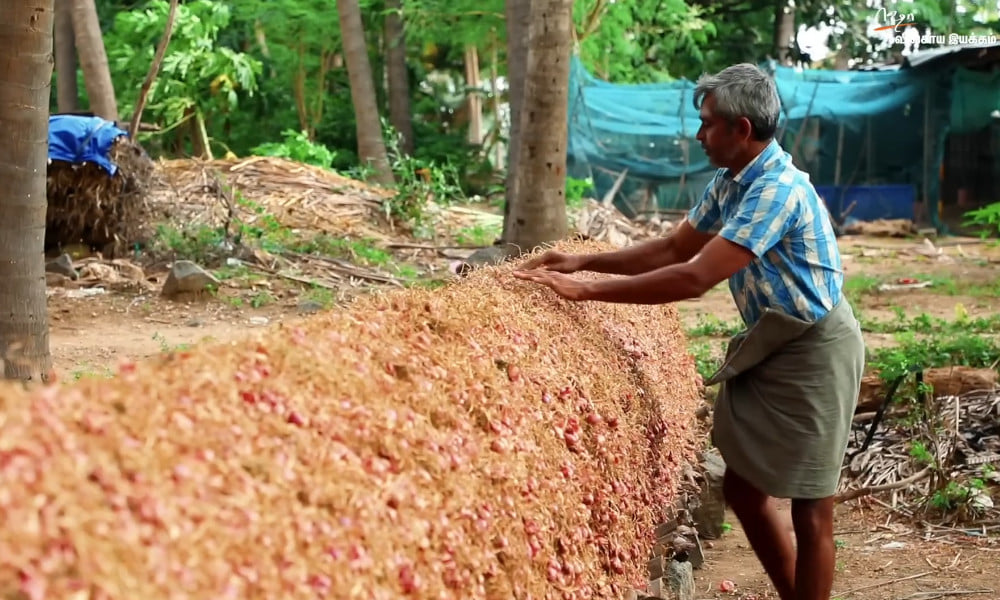
That training took me to a different era. I totally stopped the chemical farming I was doing and started farming using natural inputs like Jeevamirtham, Ghana Jeevamirtham, ten-leaf extract, and Neemasthiram. I have seven acres of my own agricultural land and another eight acres on lease. The owner saw me farming and gave it to me for a lower lease amount, entrusting me to look after it. Despite having this much land, labor shortages limit my production, so I farm in limited quantities. I only produce as much as I can market myself.
Prioritizing Health Over Profit
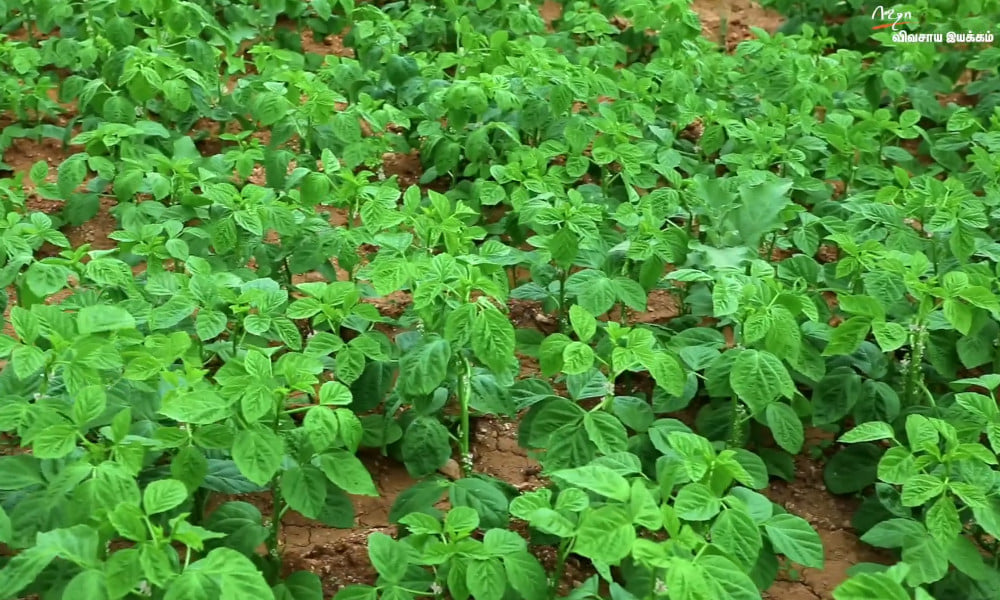
I cultivate small onions so that they are available year-round. I do not sell these immediately. I give even to those asking for five kilos. Similarly, I supply tomatoes, green chilies, broad beans, cluster beans, ladies' finger, and on the ridges, bottle gourd, bitter gourd, and ridge gourd. I do not farm with the sole aim of selling. My only goal is that my family, my children, and the people working in my garden should all eat good food. Everyone asks what the profit is or how much I am saving, but profit is not important to me. Palekar Ayya also taught the same thing, and I am doing it using that same method.
Smart Water and Crop Management
Our area is a water-scarce region. When I see everyone planting coconut extensively and then struggling by drilling borewells and spending money when water becomes scarce, I wonder why they do it. I have only one and a half acres of coconut. When water is insufficient for vegetable crops, I use it for coconut trees. That water is enough for them. Now I have done some intercropping in the coconut grove and planted various varieties.
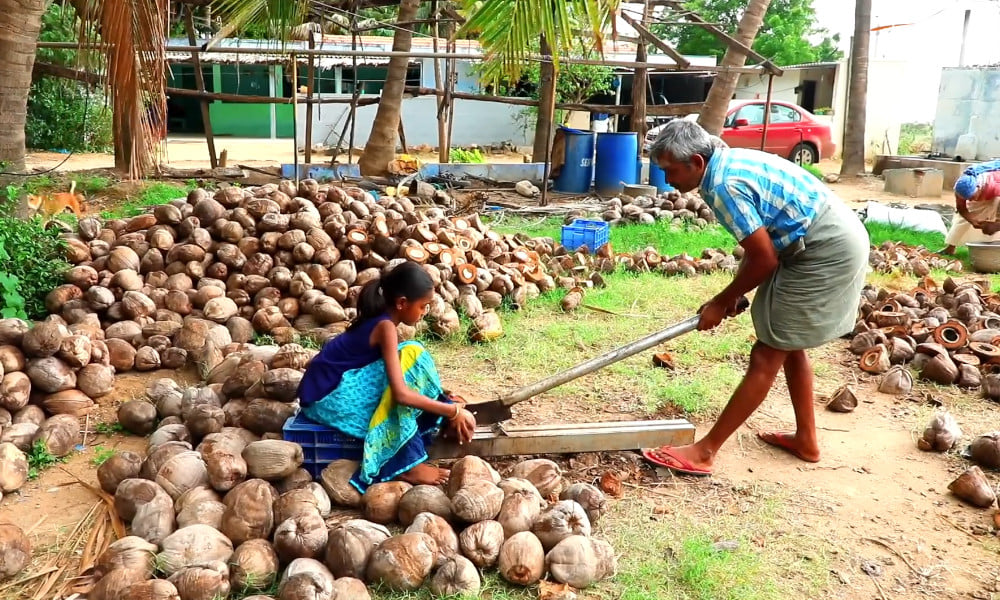
I do not sell my coconuts as raw nuts to just anyone; I give them to people who ask for home use. Otherwise, I do not sell nuts to traders. I wait until the nuts fall naturally from the tree, store them, and keep them until the water inside the coconut dries up completely. After six months, I do not peel the husk. I have a machine that cuts it like a slicer. I use it to cut them round, dry them as copra, and keep them as kernels for as long as needed. If not, I press oil and supply it to those who continuously buy vegetables from me. I market this directly to many places like Tirupur, Coimbatore, Chennai, and Bangalore.
Innovative Use of Inputs
Whether for coconut or vegetable crops, I give Jeevamirtham continuously. I do not limit how much I give; I often provide a little extra. Regarding inputs, I do not go out and spend money to buy any material for Jeevamirtham. I grow crops like horse gram, cowpea, and field beans in my garden. After taking what is needed for cooking at home, I grind the rest into flour and use it.
Apart from that, country sugar is usually needed for mixing in Jeevamirtham. Instead of country sugar, I have planted papayas all over the garden. I only sell papayas outside if there is demand. If sales are slow, I store the papaya as a solution in a drum that holds about 500 to 600 liters. I do not need to add country sugar. If I sold the papaya, I would get 20 or 25 rupees a kilo. But if I do not sell it, the value of that papaya turns into 40 rupees when used as fertilizer. When comparing with country sugar, papaya seems very convenient to me. Since papaya is grown naturally in our garden and on our own land, I use even more of it for Jeevamirtham. This seems to be a very economical and good way to farm.
A Direct Marketing Strategy
Regarding marketing, other farmers might harvest loads of onions and bag them up for traders to collect in bulk. The rate might be low, but they turn it into cash in a single day. In our natural farming, there are not any traders like that. So, we keep the products we have in storage and give them little by little as requested. For tomatoes and other vegetables, I pack them neatly in cardboard boxes without damage and send them via bus or parcel services like MSS to many places.
In Chennai, around 10 to 20 people buy from me nearby. Specifically, there is one person in Chennai buying for home use who has purchased continuously from my early days of farming. He does not ask for specific items. Within a gap of 10 to 15 days, when I am about to send a box, I put whatever vegetables we have available-coconut, coriander, curry leaves, or surplus from our home harvest-into a bag and put it on the bus for him.
Connecting with the Customer
If I harvest the vegetables in the evening and put them on the bus at 9:30 PM, the customer picks them up in the morning. They receive our vegetables and cook them. After cooking, they often send us a small message on WhatsApp saying the product was good. It feels very happy. Apart from that, I supply to natural shops in many places. I pack small onions and tomatoes neatly in apple boxes so there is no damage. I have learned how to package properly. When doing chemical farming, we would just put the produce in trays and load them into a van for the market. But today, we follow our product until it reaches our customer's kitchen and they cook and eat it. If everyone follows this method, we can take agriculture to great heights. There is no need to wonder if profit will come, as profit will definitely come.
Keep In Touch
Get the latest updates on blog and happenings at Save Soil Regenerative Revolution and on the rest of Isha's social work — delivered to your inbox.