
>
Save Soil Regenerative Revolution>
Blogs>
Human Impact Stories>
Reviving Heritage Rice: A Decade of Success in Natural Farming
Share
Reviving Heritage Rice: A Decade of Success in Natural Farming
Human Impact Stories

09 Jun 2026

06:45 am
How one farmer in Thiruvannamalai is cultivating health, profit, and tradition by listening to the soil.
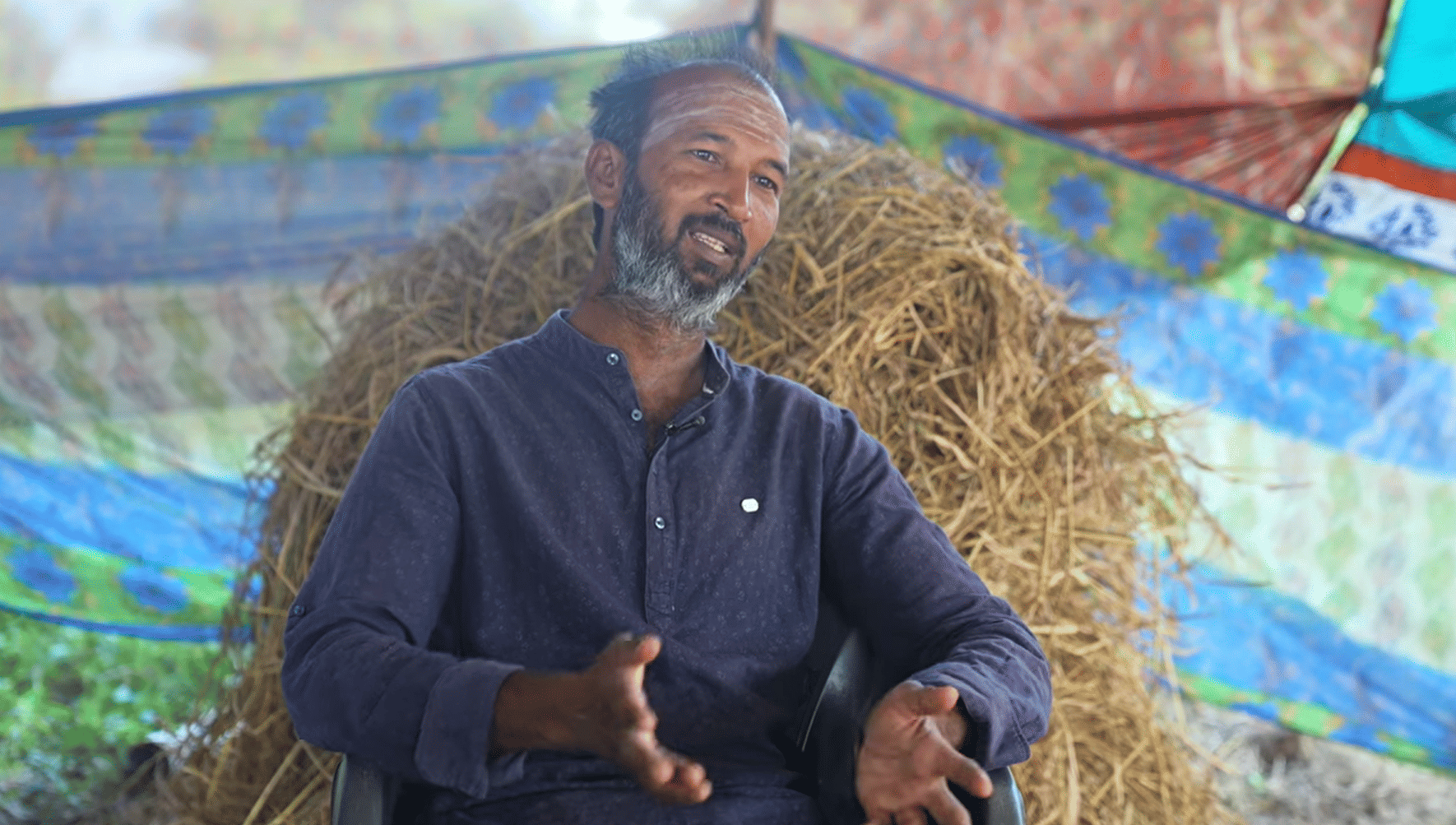
When we prepare the land, we pay close attention to the soil’s physical nature. We never plough green manure directly into the soil and turn it into sludge. Instead, we spread the green matter on the surface and allow it to dry, turn into dust, and become mulch.
We wait until it reaches what we call “puttu padam”—a crumbly, well-structured soil texture. Only after this stage do we turn it into wet soil for cultivation. Like many others, we began our journey using inputs such as Jeevamirtham and Panchagavya for paddy, groundnut, and sugarcane. But over time, I realized something important. The soil was telling me, “I am ready.”
For the last six to seven years, we have not felt the need to add any external inputs. Once the soil regained its natural physical health, it sustained itself. Even today, we achieve continuous and sufficient yields without adding anything to the field.
A Diverse Portfolio of Traditional Rice
We cultivate four to five traditional rice varieties, usually allocating two acres per variety.
- Karuppu Kavuni (Black Rice) – 1 acre
- Athur Kichili – 2 acres
- Kichili Samba, Thanga Samba, Thooyamalli – 1 to 2 acres each
- Seeraga Samba – 2 to 3 acres
While there is rising demand for Karuppu Kavuni, most consumers still prefer white rice varieties, which is why Athur Kichili occupies more space. Since many people prefer raw rice for cooking, we grow aromatic Seeraga Samba as well.
The Quest for Athur Kichili
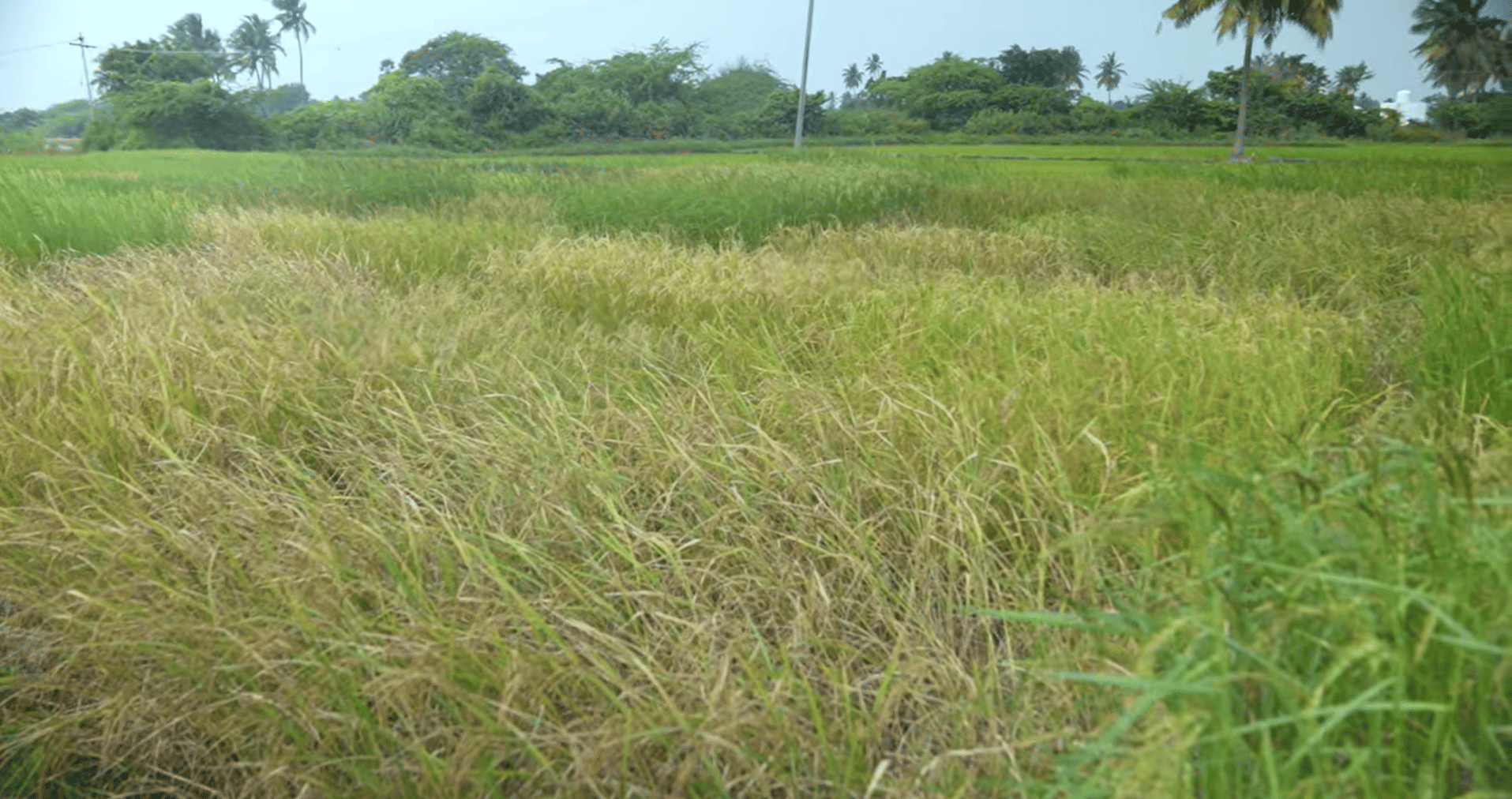
My parents and grandfather often spoke about the exceptional taste of Athur Kichili rice. I searched for it for a long time without knowing where to find it. During a meeting with Ariyalur Jayachandran Ayya, I learned that Sarada Ashram preserves traditional rice varieties. I procured five kilograms of seeds and planted my first crop.
When we cooked that first harvest, my family said the taste was not right. That was when I understood the real challenge. The next time I planted it, I harvested 12 bags. This time, my family confirmed that the taste had improved significantly.
I realized that revival does not happen through seeds alone. It happens through the soil. Only when the soil regains its quality does the true flavor described by our elders return.
Nursery and Planting Techniques
For the nursery, we plough in plenty of erukku (Calotropis) leaves as compost and prepare raised beds (mettu paathi). This protects seedlings from heavy rains and heat. Within 12 to 15 days, the seedlings are ready for transplantation.
We follow the SRI method along with kothu nadavu (bunch planting), placing four seedlings along a line. Varieties like Athur Kichili, Thooyamalli, and Karunguruvai grow tall and branch well, naturally suppressing weeds. Aromatic varieties like Seeraga Samba, Kalanamak, and Iluppai Samba branch less, so we use normal planting for them and line planting for the others.
Water management depends entirely on the season.
During the Samba (rainfed) season, we irrigate carefully until the first weeding. After that, we stop watering until weeds reappear, then irrigate for the second weeding. Even before planting, we allow weeds to germinate and then plough them back to reduce future weed growth.
In the irrigated summer season (Iravai pattam), water management becomes more critical. If we over-irrigate during extreme heat, it harms the crop. So we only moisten the soil as needed, adapting to the climate.
Weed control is the biggest challenge in natural farming. We transplant saplings when they are ¾ to 1 foot tall (about 15 days old) and maintain a water level of one to two inches. Too much water affects tillering; too little encourages weeds. Correct water levels also prevent pest issues like planthoppers, whiteflies, and Anaikomban disease.
Natural Pest Control
During seasons with heavy dew and mist, fungal diseases like blast (Lakshmi disease) can affect the crop. Elderly women in my village shared how they used to prevent this—by spraying the excess water from boiling rice (Pongal thanni), or mixtures of turmeric, neem leaves, cow dung slurry (Saani paal), and wood ash. They emphasized prevention before the disease appears. We follow the same practice today with very effective results.
Harvesting and Seed Preservation
We always harvest seeds manually. From the manual harvest, we select only the top 40% of the grains for seed purposes. These are the most well-filled and mature grains.
The remaining 60% is kept for home consumption. Even though we harvest in the Samba season, we might only provide seeds to others in May or June. Until then, we dry the seeds in mild sunlight once a month to preserve their germination potential.
Yield and Economics
Regarding yield, we get about 15 to 20 bags (75 kg each) per acre of Seeraga Samba. We have never gone below 15 bags, and we have reached up to 20. For Athur Kichili, we consistently get 27 to 28 bags. Thooyamalli yields 24 to 25 bags. Karuppu Kavuni gives us 15 to 18 bags regularly, which is sufficient for us. We have learned that doing a single crop can be risky, so we commercially grow four different varieties. This diversifies our risk.
Here is the breakdown of our costs per acre:
- Seeds: No cost (own seeds)
- Ploughing: ₹8,000 to ₹9,000
- Planting: ₹4,000 (contract basis)
- Weeding: ₹1,500 (approx. 15 people)
- Total Input Cost: Around ₹13,500
- Harvesting: ₹5,400
The total cost to bring the paddy to the threshing floor is approximately ₹19,000 per acre.
For processing, it costs about ₹400 per bag for regular varieties and up to ₹700 per bag for Karuppu Kavuni. If we process a yield of Karuppu Kavuni (around 15 bags), the processing cost is about ₹8,000. The total expenditure comes to roughly ₹27,000. After expenses, we earn a net profit of ₹60,000 to ₹65,000 per acre.
Marketing and Consumer Connection
We add value to every grain we harvest. For Seeraga Samba, we age the paddy for two months before milling it into rice. This prevents the rice from becoming mushy when cooked and enhances its aroma. The longer we keep it, the better the aroma and taste.
We store the harvest for two months and then mill it in batches. We listen to our customers. If they ask for flattened rice (aval) or raw rice (pacharisi) instead of boiled rice, we adapt. For example, Karuppu Kavuni, Rathasali, Karunguruvai, and Poongar make excellent flattened rice. There is a high demand for these traditional snacks now.
Regarding rice polishing, our traditional method was hand-pounding, which resulted in semi-polished rice. Recently, the trend shifted to unpolished rice, but we are now guiding customers back to semi-polished rice because it is easier to digest and cook, and it has a good market reception. By adding value and maintaining a direct circle of consumers, we face no issues in marketing.
A Healthy Future
Many customers tell us that eating these traditional varieties has improved their health. Some say Karuppu Kavuni helps manage insulin levels. Others say Athur Kichili makes excellent fermented rice (pazhaya sadam).
My aim is to preserve genetically pure seeds and encourage more farmers to grow these varieties. When someone in my village starts cultivating rice, we do not just give seeds—we support them through planting, harvesting, and marketing.
To consumers, I say this: see a farmer as a farmer. We are ready to grow what you need with dedication. Support us, and we will continue to nourish you.
Keep In Touch
Get the latest updates on blog and happenings at Save Soil Regenerative Revolution and on the rest of Isha's social work — delivered to your inbox.