
>
Save Soil Regenerative Revolution>
Blogs>
Field Stories>
Thulasidasan's Journey: High Yields and Profits with Athur Kichili Samba and Natural Farming
Share
Thulasidasan's Journey: High Yields and Profits with Athur Kichili Samba and Natural Farming
Field Stories

07 Apr 2026

06:47 am
A farmer's 10-year experience reveals how traditional rice varieties, ducks for weeding, and minimal inputs lead to significant economic returns.
Sustainable Weed Management with Ducks
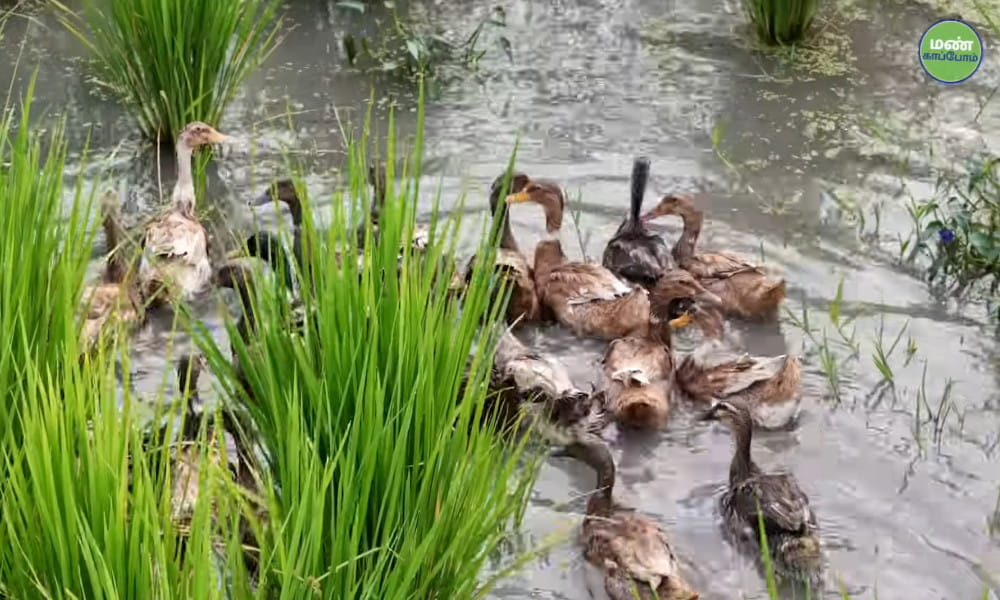
Thulasidasan manages weeding using ducks. After planting the saplings, within a 15 to 20-day interval, he releases ducks to control weeds, depending on the conditions. Weeding with a coniweeder is not as effective as using ducks. The land he sows is very fertile, and he practices the raised-bed method.
Athur Kichili Samba: A Traditional Powerhouse
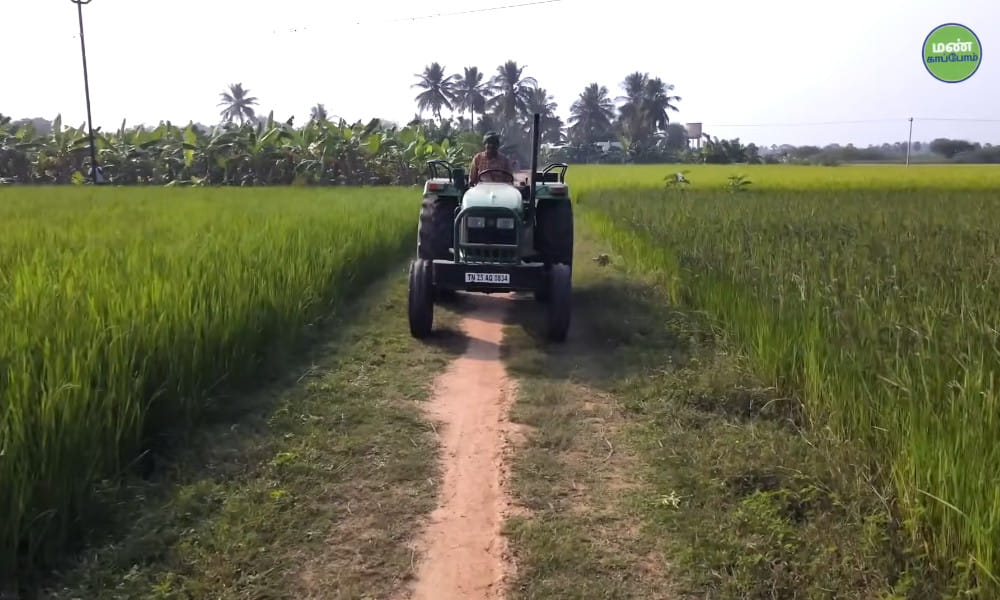
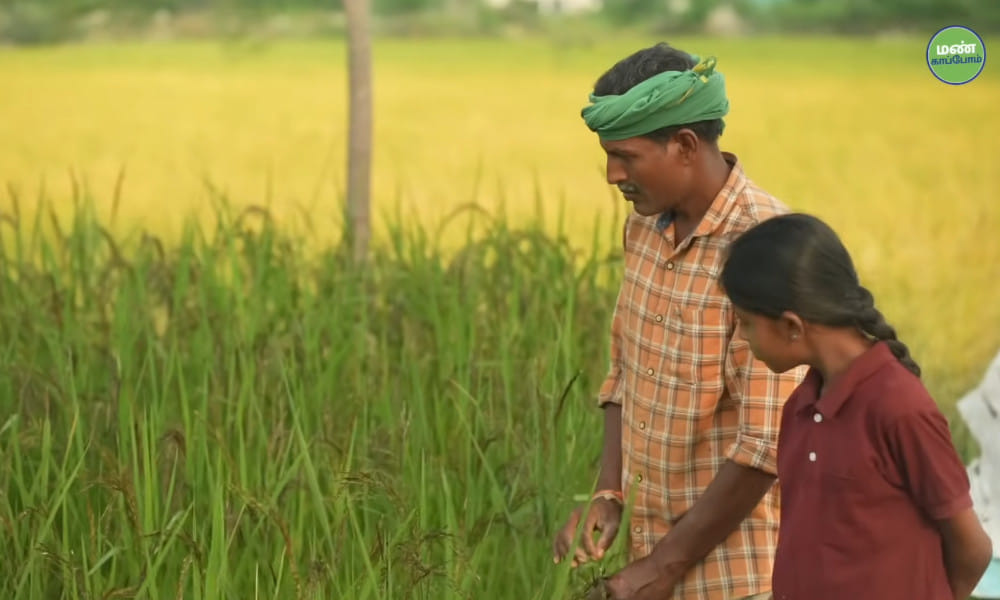
Athur Kichili Samba rice is medium-sized, neither too small nor too big. This variety yielded Thulasidasan a high harvest last year, with one sack weighing 75 kg, and he obtained 47 sacks.
Natural Pest Control Strategies
For night birds to perch, Thulasidasan uses coconut fronds or sticks. At night, owls and barn owls sit on these perches, leading to rat control. Rats, which do not build nests in the field, come to the border for shelter when rice or other crops are present. As they come, they are caught and eaten. In one year, an owl can catch 420 rats, making this an easy way to control them. He implements this by placing sticks immediately after transplanting. Intercropping is also crucial for pest management.
Organic Fertilization for Soil Health
For soil enrichment, Jeevamrutham is essential. Jeevamrutham and Amrita Karisal are distinct substances. The Department of Agriculture and Swami Sri Mukha from Isha Earth Conservation have both studied these practices at Thulasidasan's farm.
Optimizing Seed Paddy for High Germination
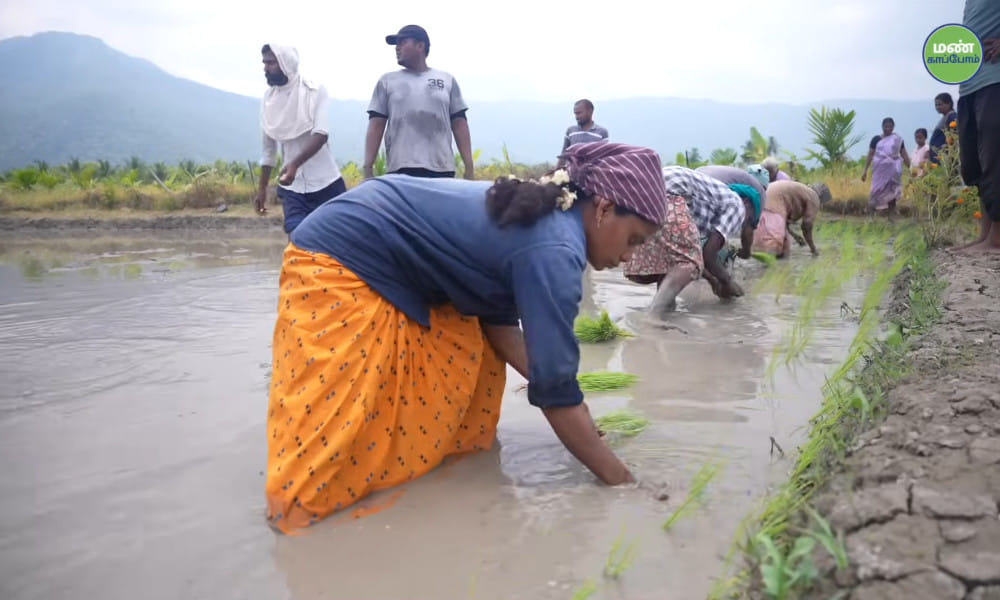
Seed paddy is very important for farmers. To ensure optimal germination, it must be taken out and dried in the sun at least once every two to three months during the new moon period. This process allows the seeds to evolve and adapt naturally.
A Decade with Black Kavuni and Athur Kichili Samba
Thulasidasan's journey into natural farming began with Black Kavuni rice, which he cultivated after procuring it from Isha Earth Conservation. This was his primary crop. As consumer preferences evolved, some shifted to white varieties. A friend, Karthikeyan, introduced him to Athur Kichili Samba 10 to 12 years ago, which the friend had received from Venkatachalam Ayya, guided by Nammalvar. Thulasidasan procured quality seeds from Karthikeyan and has since cultivated it continuously, observing an increased yield over 10 years.
Soil Improvement and Crop Rotation
Initially, to improve soil health, Thulasidasan sowed diverse crops (paladhaniyam) and tilled them back into the soil. During summer, he avoids dry ploughing (karamba); instead, he ploughs and plants. For weed control, beneficial insects are present in the soil, which ducks consume. The effectiveness of duck weeding surpasses that of mechanical methods. The yields for Athur Kichili Samba are significant, with 47 sacks obtained last year. This output, questioned by many, has been confirmed feasible by studies from the Department of Agriculture and Isha Earth Conservation. While Athur Kichili Samba didn't yield as much initially, 10 years of continuous cultivation led to the current 47-sack harvest.
Stringent Seed Quality Control
Quality seeds are paramount. After transplanting, Thulasidasan selects optimal areas where crops grow without weeds or mixed varieties. During manual harvesting, a single cut at the base ensures only quality grains are collected. These are then sun-dried in the morning or evening and safely stored, sometimes in a "kottai" (storage structure). Seed paddy demands careful selection, free from diseases, fungi, "nellupazham" (rice blight), and mixed grains to ensure genetic purity. This preservation includes drying in the sun every two to three months during the new moon.
Traditional Sowing Dates
Maintaining seed paddy involves drying it in the sun every two to three months during the new moon. In northern districts, Adipattinetu is highly suitable. For water-scarce areas, Aadi Pooi and Avani 5 are also very suitable. Another important date is Avani 11 in the Tamil calendar. Sowing seeds on these specific dates is referred to as "pattanam". This term signifies that the earth, on the day of sowing, "knows" the year's rainfall, potential insect infestations, and wind patterns, allowing for an adaptive agricultural approach.
Raised-Bed Farming and Water Conservation
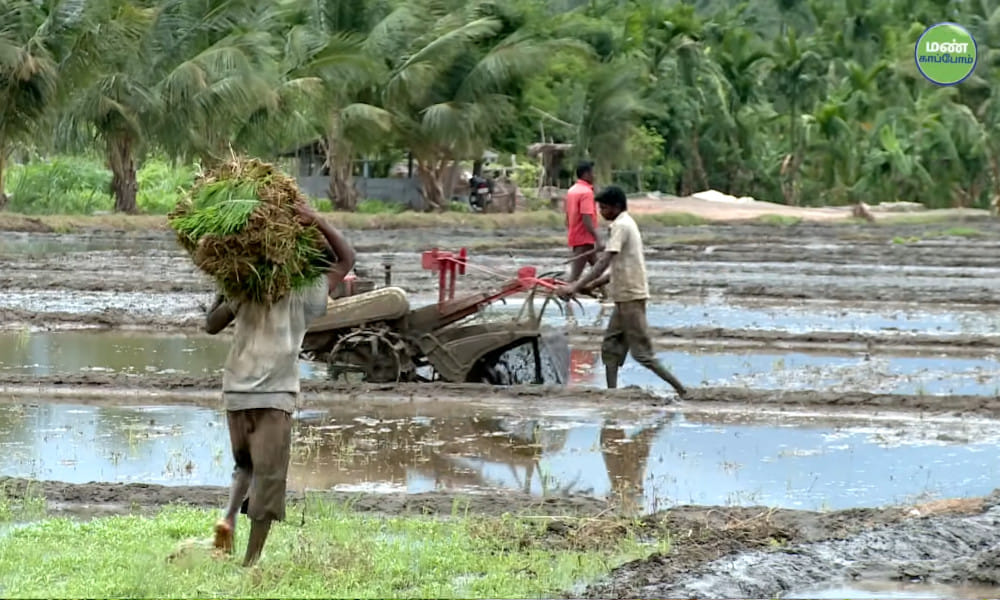
Thulasidasan's practice of raised-bed farming involves preparing the nursery bed, filling it with water for three to four days, then draining it. A three-foot polythene sheet is laid, and a mechanical transplanter is used to place seedlings in rows. This method avoids manual transplantation. Mud, 0.5 to 1.75 inches deep, is spread over the sheet, and seeds are planted to prevent plant contact. This approach conserves water and prevents mud from hardening.
Straw Mulching and Microclimate Regulation
Straw mulching is applied at a one-inch depth after planting to cover the seeds. For four to five days, the straw's moisture is maintained by spraying water if it dries out. This is crucial because dry straw leads to dry seedlings, particularly in this low-mud system. The straw acts as a natural climate regulator, providing warmth at night and coolness during the day, promoting optimal growth. This system allows plants to grow to their necessary extent without needing external growth stimulants like fruit juice or Jeevamrutham.
Precise Transplanting for Root Development
Transplanting involves carefully separating individual seedlings by hand, rather than pulling them, before planting. The depth of planting is critical; shallow planting, rather than deep planting, encourages greater tillering (branching from the base). This is achieved by precise field preparation, water drainage, and using a rope for accurate row alignment, typically from east to west.
Strategic Row Planting for Pest and Climate Control
Planting in east-west rows ensures maximum sunlight exposure and ventilation, significantly reducing pest issues from rats, mongooses, and snakes. The increased light causes pests to quickly move out of the field, eliminating the need for chemical intervention. Additionally, implementing border crops like maize or marigold attracts wasps, aiding in biological pest control. Legumes such as black gram, green gram, and cowpea are also planted along borders. For rat deterrence, sticks or coconut fronds are placed for birds like owls to perch, effectively controlling rodent populations.
Sustaining Growth with Organic Amendments
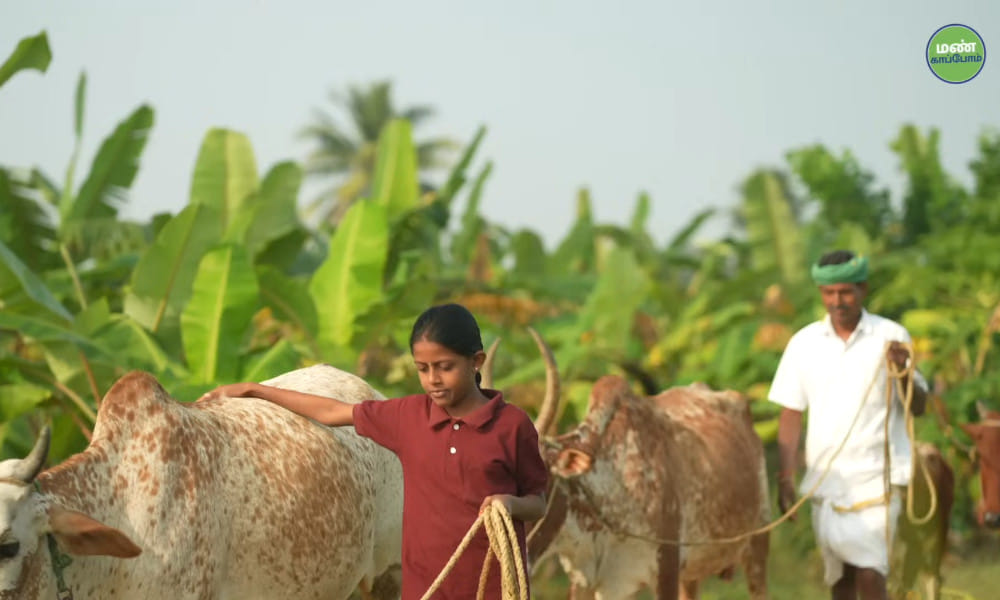
For continuous growth, regular application of Jeevamrutham or Amrita Karisal is vital, ideally every 10 days. While this frequency might cause other crops to overgrow and fall, Athur Kichili Samba, with its strong stem, can withstand it. After transplanting, the plants can tolerate substantial amounts of Jeevamrutham. Other organic amendments like Panchagavya, fish amino acid, neem oil solution, moringa solution, coconut milk, and buttermilk solution are also beneficial, particularly when the rice head emerges. These applications enhance starch content, promote pollination, and increase grain weight, leading to higher yields.
Natural Pest Management: Neem and Fermented Solutions
For pest control, particularly sap-sucking insects, neem seed extract is highly effective. Neem seeds are pounded, soaked in cow urine or water, mixed, and then sprayed in the evening. This method effectively controls pests. For worm infestations, a five-fold or ten-fold solution of leaf extract is applied, ensuring the worms are controlled.
The Superiority of Duck Weeding
Weeding represents the biggest challenge in natural farming. Thulasidasan's approach, using ducks for weed control, is a significant advantage. Ducks provide continuous weeding, promoting root spread, increased tillering, and overall plant growth, far more effectively than mechanical methods like cono-weeders. This daily weeding by ducks also converts weeds into manure, which microorganisms then process, immediately providing potassium to the plants. This immediate nutrient cycling is a major benefit of duck weeding.
Profitable Single-Crop Cultivation
Thulasidasan focuses on cultivating only one main crop, Samba, which significantly boosts his yield. Following the Samba harvest, he incorporates diverse crops as green manure to enrich the soil. This single-crop strategy, compared to taking three crops and yielding 30 sacks, allows him to achieve 47 sacks with one crop by preserving the soil. He also practices green manuring. His methods include using animal manure from his goats and cows tied in the field, which enriches the soil with nitrogen, further enhancing growth and yield. These are vital aspects of Athur Kichili Samba cultivation. The preserved paddy from this year is expected to yield over 47 sacks, a target he is confident in maintaining. He also shares information regarding the maintenance of Athur Kichili.
Traditional Knowledge and Scientific Validation
Science has validated what Thulasidasan learned from his ancestors. During the new moon, when there is no moonlight, dew settles on the seeds, which his ancestors believed enhanced their germination. This process, which involves drying the seeds in the morning sun, is supported by scientific principles. They also taught that this method helps prevent pest infestations. These scientifically proven traditional practices are key to his financial success.
Water Management for Crop Health
To prevent lodging (falling over), after the seedlings are established and weeds are controlled, Thulasidasan implements "kaichal paichal" (alternate wetting and drying). This technique involves drying the soil until it cracks lightly (referred to as "kakka kaal" or crow's feet), then reintroducing water. This cycle is maintained until the rice head emerges. Once the rice head is visible, consistent water levels are crucial to facilitate pollination. Pollination typically occurs between 10 AM and 2 PM, during which period the field should remain undisturbed by weeding or spraying.
Early Weed and Pest Control: A Proactive Approach
Early weed control is critical. If weeds are managed effectively from the initial stages of planting, practices like "kaichal paichal" become viable. Neglecting weed control, especially for the first 45 days, significantly increases pest problems, as weeds are a primary host for pests.
Duck Integration in Crop Stages
For nearly 10 years, Thulasidasan has exclusively used ducks. During the early, delicate seedling stage (around 15 days), ducks are kept out to prevent them from treading on young plants. After this period, ducks are introduced and allowed to roam until the rice heads emerge. Once the rice heads appear, the ducks are fenced off or diverted to other areas to prevent them from eating the ripening grains, as they are naturally attracted to rice. This strategic use of ducks serves a dual purpose: effective weed control and subsequent fertilization as their droppings enrich the soil. A single mother duck can lay 100 to 150 eggs annually. During non-harvest periods when food might be scarce, even 100 eggs can yield approximately ₹1000 in income, with each egg valued at ₹10.
Athur Kichili Samba: Its Unique Regional Identity
Athur Kichili Samba is a distinct crop primarily cultivated in Athur, Salem district. This region-specific variety, passed down through generations, is uniquely adapted to the local climate, water conditions, and pest challenges, leading to high yields. It is a medium-sized, white rice variety with a pleasant taste, typically harvested within 135 to 150 days from planting, with minor variations due to local climate.
Enhancing Germination and Soil Fertility
For optimal seed germination, particularly for older seeds (e.g., five-year-old seeds with reduced germination rates), a traditional method involves soaking them in dew on a new moon night, followed by sun-drying. Prior to planting, seeds are soaked in a mixture of cow dung and Kupaimeni (a local herb) to act as a natural fungicide against pest eggs. After soaking, the seeds are germinated; if they sprout by the third day, it is considered good. For improving soil fertility, a manure pit is used, where a blend of materials is buried for an hour. When removed, this mixture, if kept moist, aids in germination, even for older seeds.
Continuous Soil Improvement for Higher Yields
Thulasidasan's increased yield is attributed to continuous soil improvement. When he first started, the soil was chemical-laden and clumpy, requiring five passes with a plough. Through repeated cultivation of diverse crops (paladhaniyam) and continuous green manuring, the soil structure has dramatically improved, becoming loose and fertile. This has reduced the need for extensive tilling from five to six passes down to just two, resulting in significant cost savings on inputs. He annually sows diverse crops as green manure, which contributes to soil health. Additionally, he cultivates tree crops on the field borders, using their foliage as green manure. This sustained effort in soil enrichment leads to reduced input costs.
Informed Farming: Beyond Academic Knowledge
Effective farming requires foundational knowledge, especially when choosing suitable land. For instance, dryland farming (nanja punjai) demands careful soil selection, avoiding chemical-laden or leased lands. Preference is given to elevated areas with adequate water supply and minimal wildlife disturbance to ensure profitability. Thulasidasan believes farmers must know these basics. Without this fundamental understanding, cultivating in areas with wildlife, such as forests, becomes challenging. His experience highlights that while academic qualifications are valuable, practical, hands-on experience and traditional knowledge are paramount.
Economic Benefits of Athur Kichili Samba Cultivation
Athur Kichili Samba cultivation provides substantial economic returns. From one sack (75 kg) of paddy, Thulasidasan obtains 42-43 kg of rice and about 3 kg of bran. He directly processes and markets the 47 sacks of rice, earning a higher price and adding value. For a 75 kg sack, total expenses (bag, loading, transport, milling) are ₹700-₹750. He sells 1 kg of rice for ₹77-₹80 (compared to broken rice at ₹40-₹50, polished rice at ₹50). Approximately, from 40 kg of rice, he makes about ₹2000. Even after accounting for all expenses (around ₹1000 per sack), his profit per sack is ₹3000. From 47 sacks, his net profit is nearly ₹1 lakh. After deducting all cultivation costs (e.g., ₹30,000), his net profit from one acre of paddy ranges from ₹60,000 to ₹70,000.
Value-Added Products and Integrated Farming
Beyond rice, the straw itself generates net profit. Cattle consume the chemical-free straw, ensuring their health and providing 5-10 kg of manure daily. This manure is crucial for organic fertilizer production. This organic manure, combined with mushroom cultivation (valued at ₹10,000-₹20,000 for organic varieties), adds another ₹10,000 to his income. Overall, with an additional ₹10,000 from manure, his total net profit can reach ₹80,000. This high yield and profit are specific to Athur Kichili Samba. Compulsory intercropping with diverse crops and green manuring are essential for increasing yield and maintaining soil health, which naturally deters pests. Thulasidasan notes that while he possesses a medical education, his expertise is in farming, which he considers a science requiring fundamental understanding and practical application.
Keep In Touch
Get the latest updates on blog and happenings at Save Soil Regenerative Revolution and on the rest of Isha's social work — delivered to your inbox.