
>
Save Soil Regenerative Revolution>
Blogs>
Human Impact Stories>
Ulavagam: My Six-Year Journey in 100% Natural Farming
Share
Ulavagam: My Six-Year Journey in 100% Natural Farming
Human Impact Stories

21 Apr 2026

06:39 am
From diverse native vegetables to medicinal plants and effective waste utilization, discover how Ulavagam thrives as a profitable and poison-free farming enterprise in Erode.
The Personal Path to Ulavagam
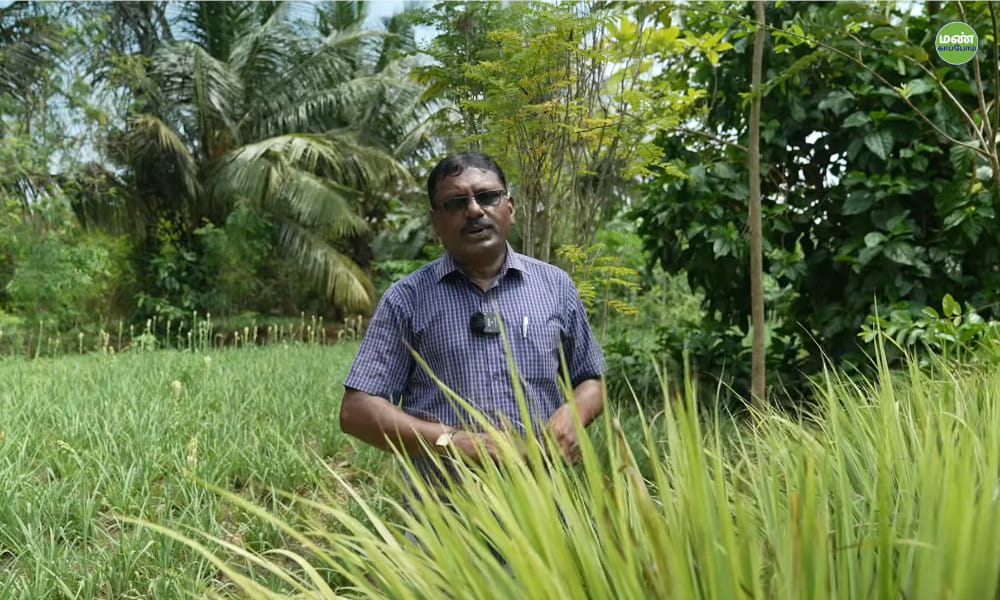
My name is Koora Amasaiyappan Ramasamy. While I work for a central government institution called Salem Murugalyam, my true labor of love is Ulavagam, my farm located in Kasipalayam, Erode district. For the past six years, I have dedicated myself to practicing 100 percent natural farming. At Ulavagam, we strictly avoid all synthetic fertilizers, medicines, pesticides, and herbicides. This was not a decision I made lightly, but one born out of a profound realization about the dangers of conventional agriculture.
Initially, I was involved in conventional farming, cultivating rice and producing seeds. During that time, I observed a significant disparity between the effort involved and the rewards received. While conventional methods sometimes yielded more in quantity, the actual profit was often much lower than anticipated. More critically, my health began to suffer. I experienced frequent burning sensations on my skin, stomach problems, and persistent skin allergies due to exposure to chemical sprays. I realized that chemical fertilizers are like a demanding partner; they require constant management, and any lapse in vigilance can lead to immediate pest attacks and crop loss. This pivotal realization prompted my complete transition to natural farming, where the focus is on working with nature to ensure both profit and well-being.
Cultivating Biodiversity and Native Resilience
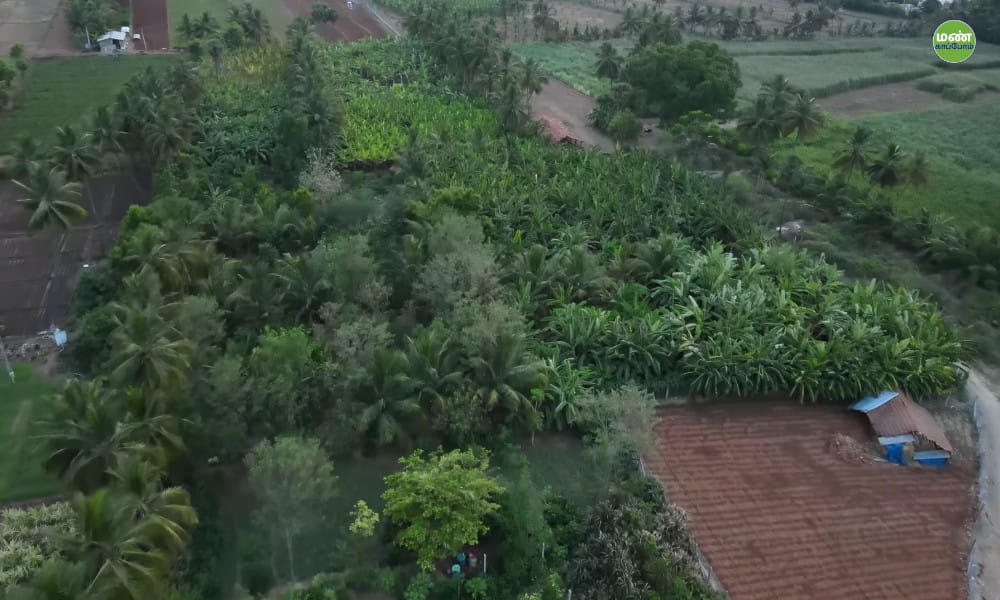
At Ulavagam, we are committed to cultivating exclusively native varieties of vegetables, fruits, and flowers. We believe in fostering biodiversity and relying on the inherent resilience of these plants. Our farm produces a wide array of native vegetables for daily consumption, which are distinct from hybrid or genetically modified options.
In our ladies' finger patches, we grow six to seven varieties, including the red ladies' finger, elephant tusk ladies' finger, and a thick variety. Our brinjal crops are equally diverse, with five varieties thriving here, such as the long striped brinjal, Bhavani green brinjal, and the Annamalai brinjal. The Annamalai variety is particularly valued for its long shape and its mushy texture after cooking, which offers a distinct taste. We also grow two types of tomatoes: native tomatoes and "wild tomatoes," which are cherry tomatoes prized for their rich juice.
We also specialize in five varieties of drumstick. While we grow the common long varieties, a unique type we cultivate is the Jaffna drumstick. It is exceptionally long and fleshy with very little fiber, providing a superior taste compared to standard varieties.
Food as Medicine: Noni, Soursop, and Lemongrass
Beyond everyday vegetables, Ulavagam hosts various fruit trees and medicinal plants that align with the Tamil culture of "food as medicine." One of our primary crops is Nuna Manjanathini, now commonly known as Noni. We extract its juice by fermenting plucked fruits in drums for two to three weeks. This juice is known to expel body waste and improve blood circulation, aiding the proper functioning of internal organs. While conventional medicines often only manage symptoms of conditions like blood pressure and sugar, consuming Noni offers genuine benefits. We sell this juice to local shops and directly to our customers. We also have five soursop trees, or Mul Seetha, currently in their third fruiting season. Every part of the soursop—its flowers, leaves, fruits, and bark—possesses healing qualities, and it is considered an excellent fruit for potentially curing cancer. The heart-shaped fruits weigh between 1.5 kilograms and 1.75 kilograms. They have a sweet and sour taste and are high in fiber and glucose.
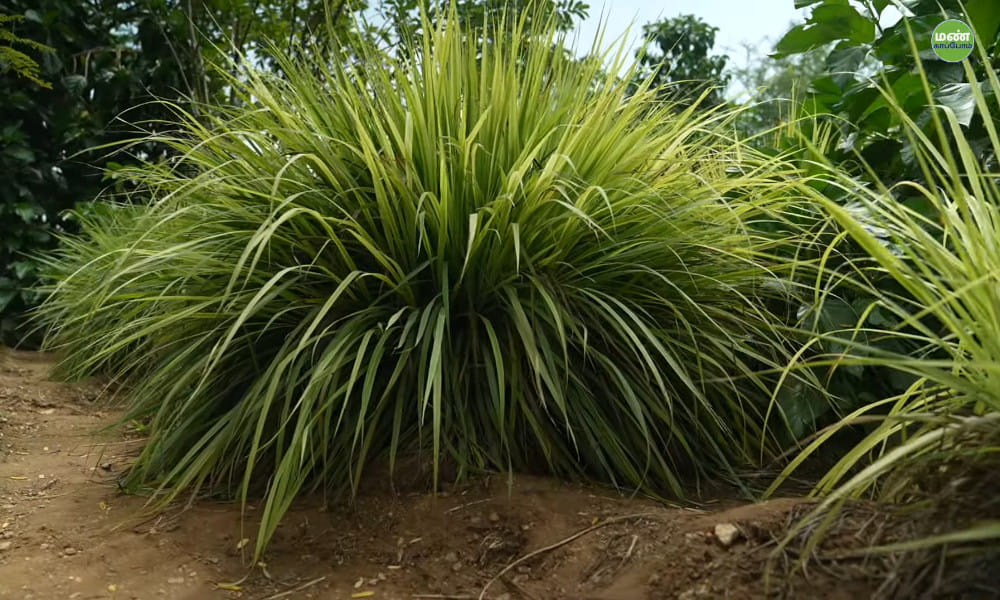
Another valuable plant on our farm is lemongrass, which we call camphor-scented grass. Boiling a small amount in water provides a potent antioxidant drink that serves as a coffee or tea substitute while boosting immunity. We produce lemongrass powder and are exploring oil extraction to further enhance our profitability.
Innovative Techniques for Soil Health and Protection
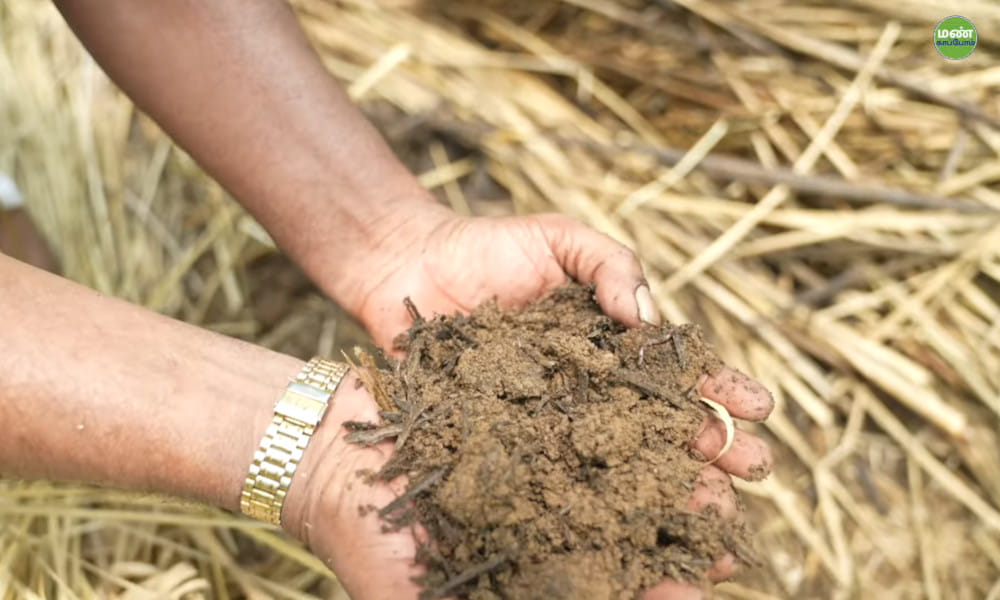
One of the major expenses for any farmer is weed control. To avoid chemical herbicides that destroy soil microorganisms, we utilize mulching. At Ulavagam, nothing is wasted; all garden waste is repurposed as mulch. This prevents direct sunlight from hitting the soil, which retains moisture and creates an ideal environment for microorganisms and earthworms to thrive. This keeps the soil loose, airy, and high in organic carbon.
We practice two types of mulching. Living mulch involves growing beneficial plants like red Ponnanganni greens or jasmine as intercrops. These serve as mulch while providing additional income. Dead mulch involves using farm waste, such as cut vetiver roots, to cover the soil. This significantly reduces costs by eliminating the need for weeding and promotes a vibrant, self-enriching soil ecosystem.
To protect our natural plots from potential chemical drift from neighboring farms, we use Super Napier grass as a living fence. We cultivate two varieties of Super Napier along with CO4 and CO5 varieties. These fences prevent external chemicals from affecting our crops and serve as nutritious fodder for our cows and goats. We also provide cuttings of these grasses as seedlings to other farmers, generating additional income.
Natural Inputs and Pest Repellents
We prepare all our own natural inputs on the farm, which makes our process reusable and cost-effective. For soil enrichment, we use Waste Decomposer (WDC). I started with 20 liters of WDC in 2018 and now use six 200-liter drums for continuous production. We ferment spoiled garden fruits, such as papaya, with jaggery and water to cultivate microorganisms that are applied to the soil via irrigation. We also maintain solutions like Cooguruba and Effective Microorganism (EM) solution, which we prepare using yellow pumpkin and bananas from our farm.
For pest control, we have developed the Lemon Egg solution, which acts as both a repellent and a growth promoter. We collect spoiled fruits from shops and discarded lemon garlands from temples to ferment and create this solution. Our unique brand of pest repellent is called Yamagandam. This is an infusion of bitter and milky plant leaves, such as Calotropis, Adathoda, Neem, and Aloe vera, all grown specifically on our farm for this purpose. This solution is a panacea for pest issues and incurs no cost since all ingredients are sourced directly from the land.
Economic Viability and Community Engagement
The success of Ulavagam demonstrates that natural farming is a highly profitable enterprise. We have designed our farm for multi-tiered income generation, ranging from daily to annual returns.
Daily income is generated from vegetables and flowers like tuberose and jasmine, which we supply to local shops. Weekly income comes from Noni juice extraction, which generates approximately 6,000 to 8,000 rupees per week. The results speak for themselves: in 2023 alone, from just these two acres, I generated 4.96 lakh rupees from the sale of vegetables, fruits, and Noni juice.
Beyond profit, we find profound satisfaction in providing poison-free food. We currently popularize 34 varieties of native vegetables and maintain seeds for 50 different varieties. We actively participate in seed festivals, including those organized by Isha’s Save Soil Movement in places like Madurai and Sivakasi, to showcase and sell our traditional seeds.
As Nammalvar envisioned, and as Valluvar wisely stated, even if divine assistance fails, persistent effort will yield its own reward. We are committed to contributing to a healthy future. Poison-free food is the food for tomorrow, and we will continue to produce it for the generations to come.
Keep In Touch
Get the latest updates on blog and happenings at Save Soil Regenerative Revolution and on the rest of Isha's social work — delivered to your inbox.