
>
Save Soil Regenerative Revolution>
Blogs>
Human Impact Stories>
Vines of Change: Awakening Pepper Potential in the Thanjavur Plains
Share
Vines of Change: Awakening Pepper Potential in the Thanjavur Plains
Human Impact Stories

13 Oct 2026

06:41 am
A farmer’s inspiring story of 10-year climb from low-yield trees to thriving, profitable harvests
Long ago, natural farming was a vibrant reality across Bharat (India), where crops thrived without chemicals, yielding high profits and spices that enchanted tongues far and wide. Among them is magical pepper, the gem that ruled palates in Bharat and beyond. Then fertilizers turned this story upside down, dimming the soil’s magic. Yet today, as we look around, inspiring tales emerge of farms returning to their origins of healthy soils transforming low-income fields into profitable havens.
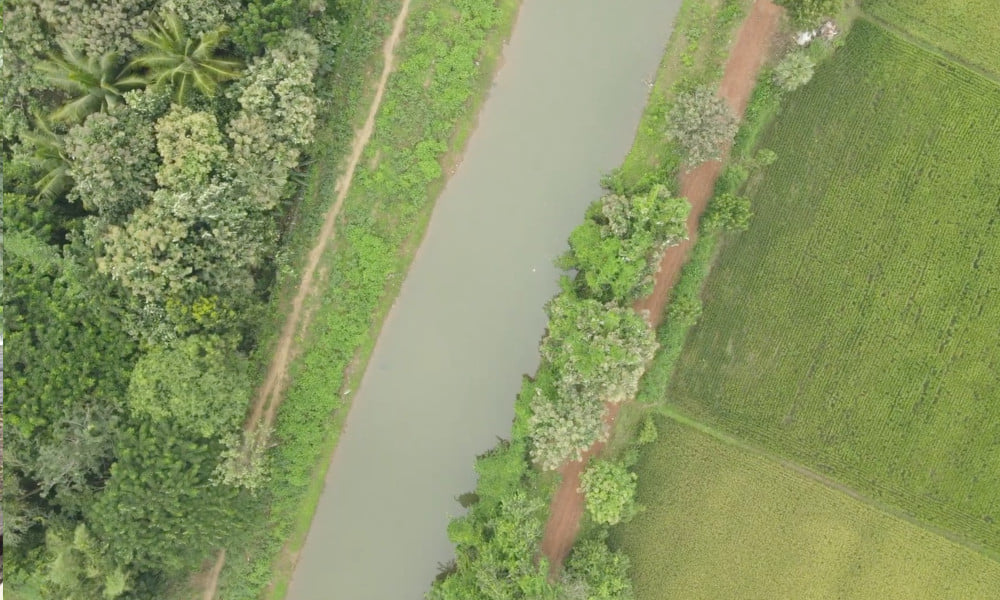
This is the story of a farmer from the Thanjavur plains, empowered by Isha’s Save Soil movement to bring pepper’s charm back to his land.What began as a common farmer’s voice from Mayiladuthurai, elevated onto a grand stage amid pioneers, researchers, and a diverse crowd of farmers, corporate professionals, and youth, fills the heart with sprouting hope. Even the shadow of a food crisis in the next 25 years feels like an imaginary record now; with such awareness and unity, agriculture is poised to succeed, and natural farming will surely march forward.
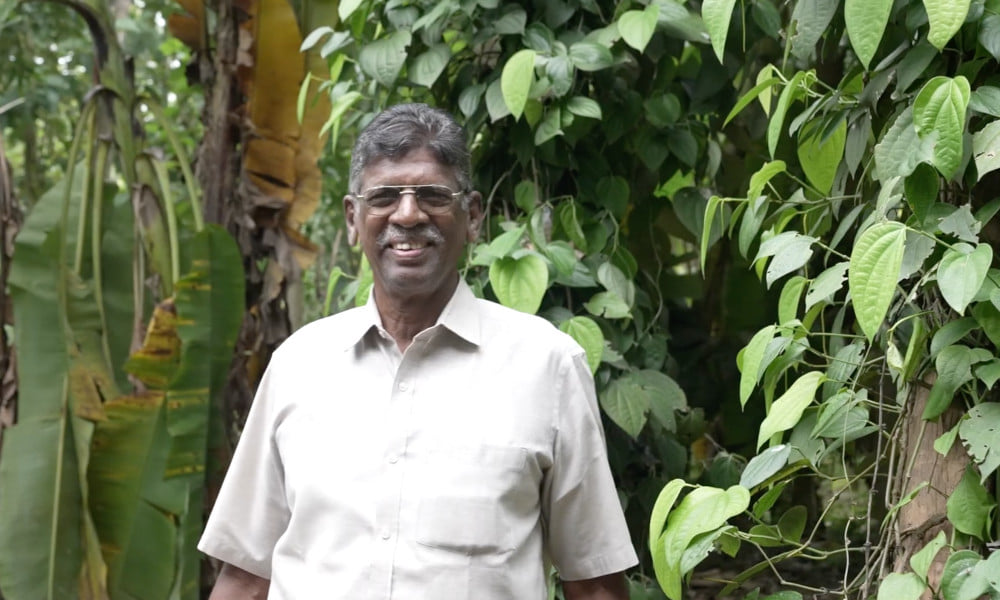
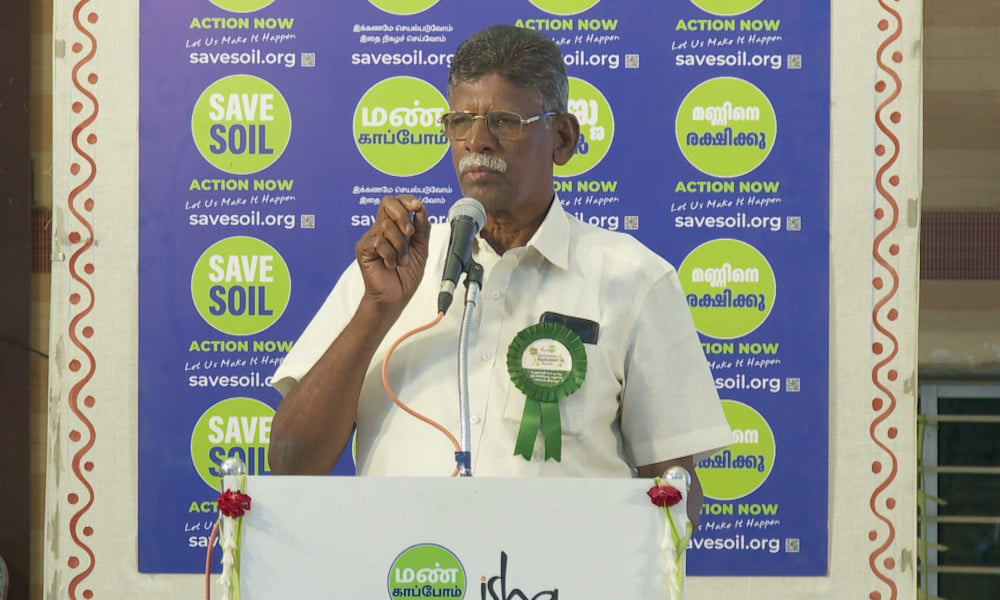
Now, let us wander through the journey of Farmer Veeramani, recipient of the Government’s Best Teacher Award and a pioneer farmer at the South Indian Coconut Festival, who shared his transformative experiences from the Thanjavur plains, from vigilant crop care and timely cautions, across clinging pepper vines to the lush paddy fields of the delta.
The Thanjavur delta is a major plain region in Bharat, and Mayiladuthurai is a part of it. My father left me 20 acres of wetland paddy fields and about 3 acres of dry land. In the wetlands, I am fully engaged in paddy cultivation. As you know, the delta is famous for its beautiful paddy fields. In my 3 acres of dry land, I have cultivated Coconut, Mango, Jackfruit, Teak, and Mahogany. However, the income has not been as high as expected. Today, the price of a coconut in our region is only 7 rupees per nut. When you consider the yield and the labor cost for climbing the tree, there isn’t a significant profit. Similarly, a bunch of bananas sells for only 100 rupees in my town, yet if I buy a single hand of bananas at the market for a special occasion, it costs 100 rupees. Looking at these prices, I often wondered how to take our farming forward or whether to continue at all.
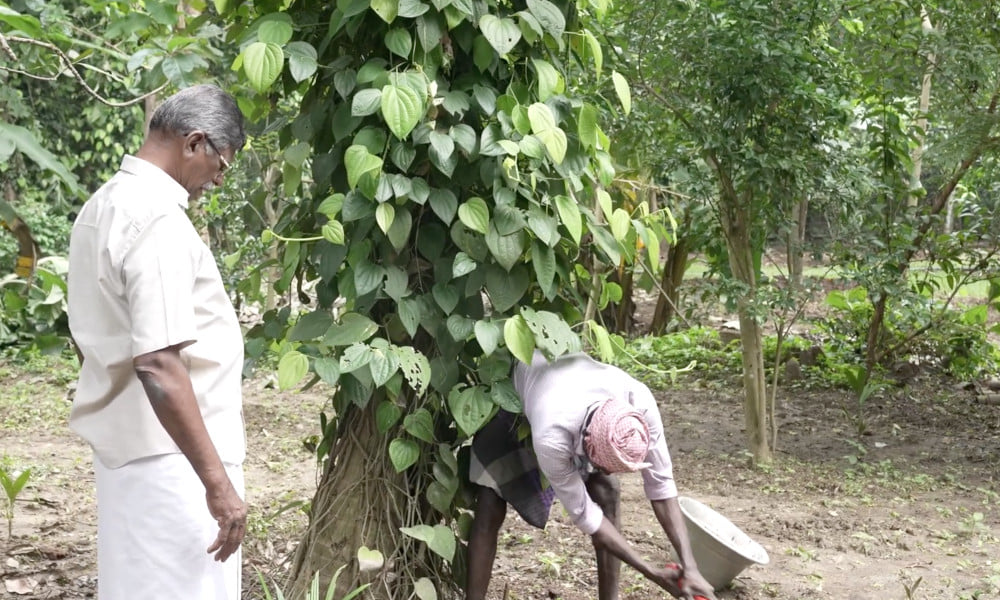
About 10 or 12 years ago, I attended an exhibition in a village in Pudukkottai organized by the government’s ATMA scheme and Isha. That visit changed everything. I visited Mr. Balusamy’s farm and saw how wonderful pepper cultivation is. I realized we had ignored it for so long. Seeing it growing successfully in Pudukkottai, which is also a plain region with even less water than my area, gave me confidence. Mayiladuthurai has excellent alluvial soil on the banks of the Cauvery, so I knew it would grow well. I brought back just 100 saplings, and from those, I have established a thriving pepper garden over the last ten years.
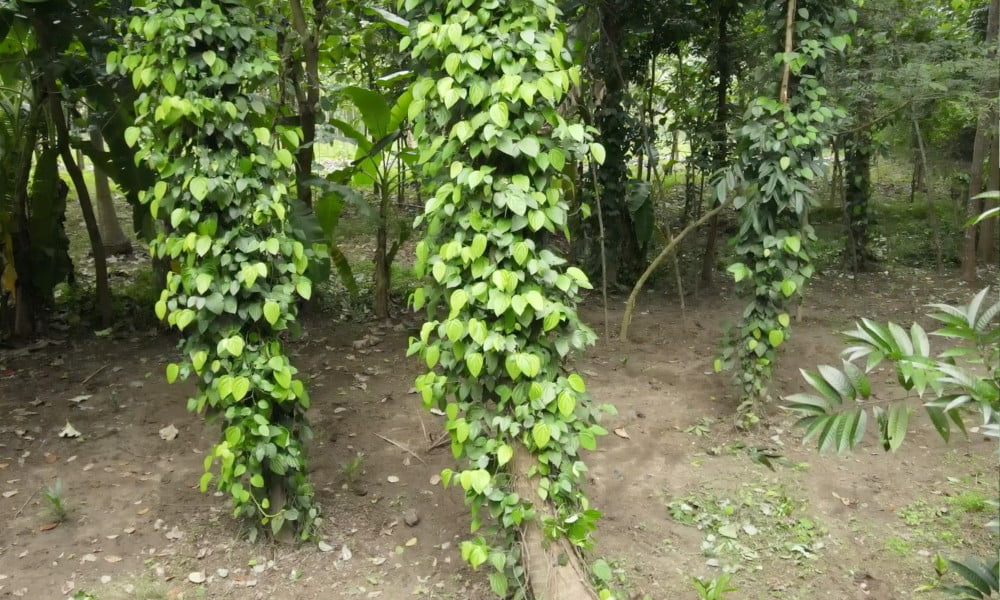
You might wonder what kind of soil is suitable for pepper. In our region, we have ‘Irusal’ soil, which is sandy loam, not clay. Pepper grows well in sandy and red soil areas. However, it does not grow well in clay soil; even if it survives, the yield will be poor. Water management is crucial. You need basic irrigation facilities, but drainage is equally important. If water stagnates for two or three days, the pepper vine will perish. The site must receive sunlight, but the vines need shade and a cool microclimate to thrive. While people often associate pepper with hill stations, plain pepper is excellent, offering good pungency and yield if the conditions are right.
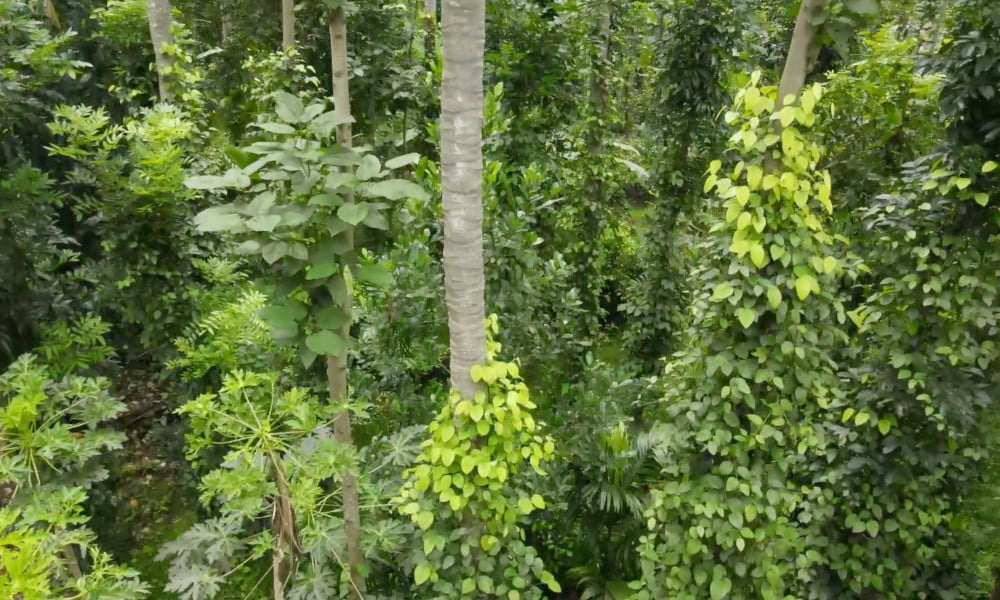
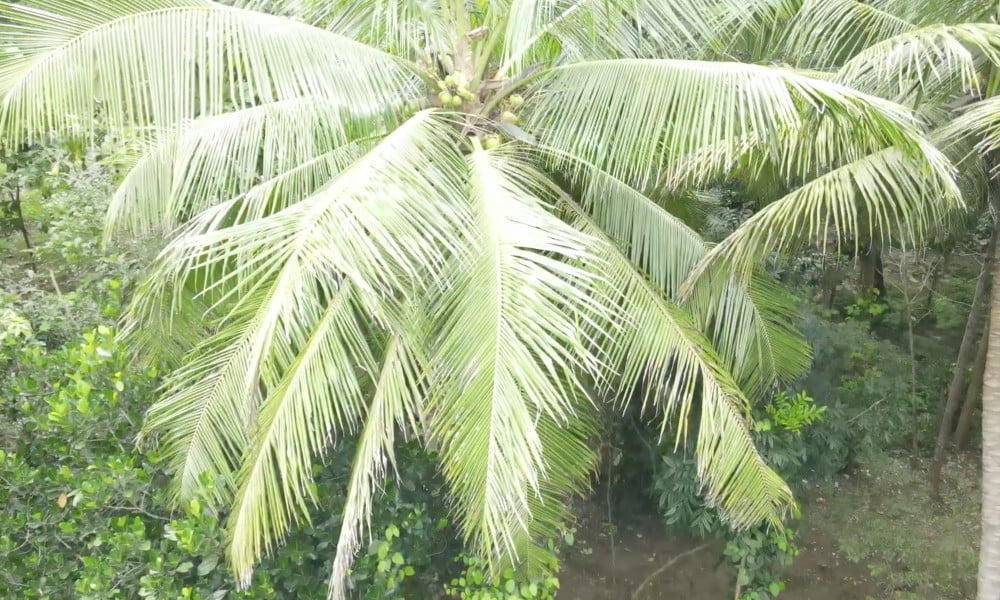
Generally, coconut trees are spaced about 25 feet apart, while timber trees need about 10 feet. I farm with Teak, Mahogany, and Coconut. Pepper grows excellently on Coconut and Mahogany trees. Teak requires more caution. You should only plant pepper vines on Teak trees that are at least five years old and have a girth of at least one foot. If planted earlier, the vine will grow faster than the tree, cover the tip branches, and affect the Teak’s growth. If your Teak is over 10 feet tall, you can plant pepper; otherwise, wait. Mahogany, however, grows straight for 15 to 20 feet before branching, making it an ideal host even at five years old.
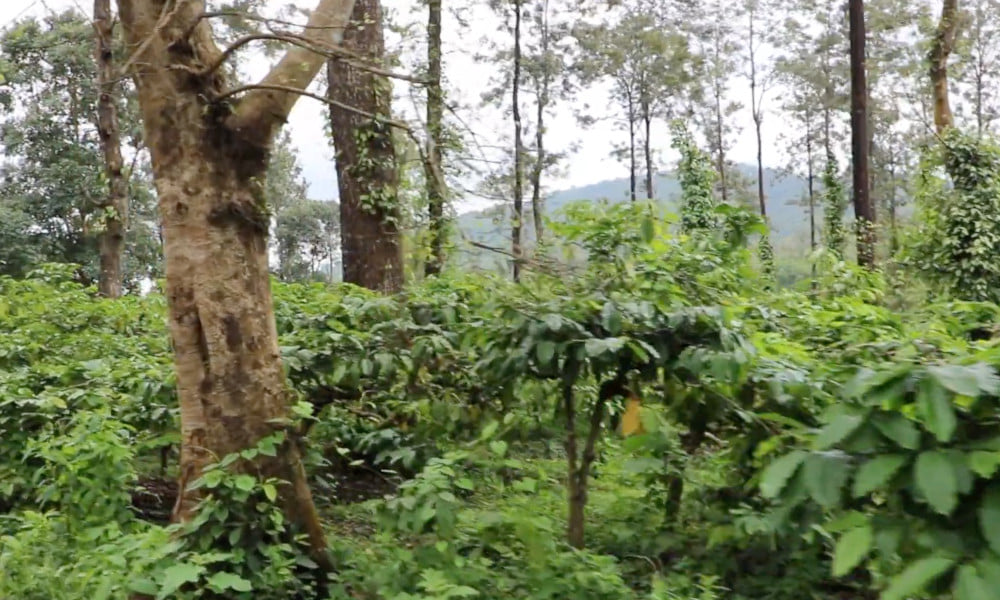
I recommend buying saplings from Isha Nursery, where they are affordable and can be reserved. To plant near a coconut tree, dig a pit one foot deep at a distance of two to three feet from the tree. Fill it with decomposed farmyard manure and plant the sapling. One sapling per tree is sufficient; it will grip and surround the tree nicely. It is best to use one-year-old saplings that have already grown about a foot in the bag. When planting, lean the vine toward the tree. Within six months, it will grow three or four feet. You can use banana fiber or jute twine to tie the vine loosely to the tree to help it climb. Pepper vines have ‘clinging roots’ at every node, so once they touch the tree, they grip it tightly and won’t fall. After six months, pinch the tip of the vine. This encourages lateral branching, allowing the vine to spiral around the tree rather than growing as a single strand.

There are over 25 varieties of pepper, but Panniyur-1 and Karimunda are the most fundamental. In Tamil Nadu, 75% of cultivation is Panniyur-1. The main difference is the spike length: Panniyur-1 spikes are over 6 cm long with plump, continuous berries. Karimunda spikes are shorter by about 3 inches and often have gaps in the berry setting. However, Panniyur-1 can be inconsistent, sometimes skipping a year of yield, whereas Karimunda yields continuously. Karimunda may even bear fruit during the off-season, similar to the ‘Kaarkai’ mangoes. Ideally, you can plant both varieties to ensure a steady harvest.
I practice strictly natural farming. I use cow dung, but I enhance it. I dump a load of cow dung in the garden and mix it with three liquids: Azospirillum, Phosphobacteria, and Potash Mobilizer. We hoe and stir this mixture. Within 15 to 20 days, crores of beneficial microbes develop, turning ordinary dung into excellent manure.
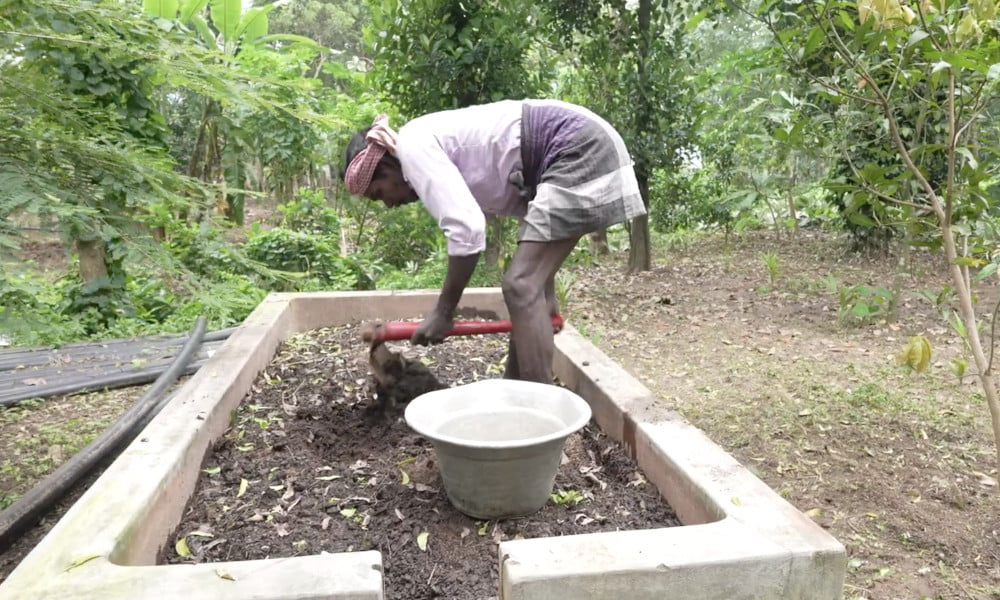
I also prepare my own neem cake powder. Last year, while a coconut sold for 7 rupees, deshelled neem kernels sold for 75 rupees a kilo! I buy neem seeds directly during the season for about 30 rupees a kilo. I buy 10 to 20 sacks and grind them at a local rice mill that processes bran. The “neem cake powder” sold in shops is often just sawdust mixed with neem oil. It loses its smell within months. By grinding it yourself, you get pure, potent powder. On the day of application, I dissolve 10 kilos of groundnut cake in a 100-liter drum of water. By the next morning, it ferments and froths. I mix this liquid and the ground neem powder into the enhanced cow dung. This mixture is a miraculous fertilizer, far superior to any chemical alternative, and it significantly boosts flowering and yield. Farmers, keep these things in mind. With the right care and natural inputs, pepper cultivation in the plains offers a wonderful opportunity to improve our farm income.
Keep In Touch
Get the latest updates on blog and happenings at Save Soil Regenerative Revolution and on the rest of Isha's social work — delivered to your inbox.